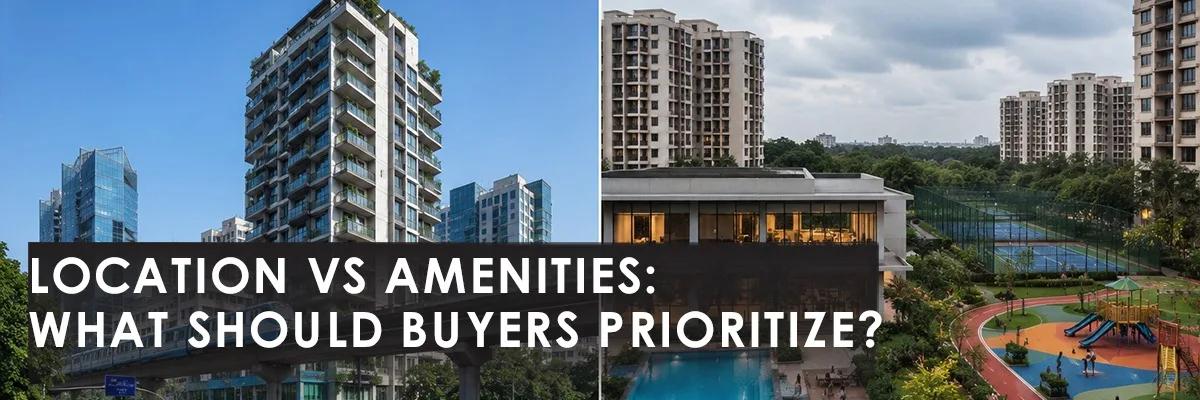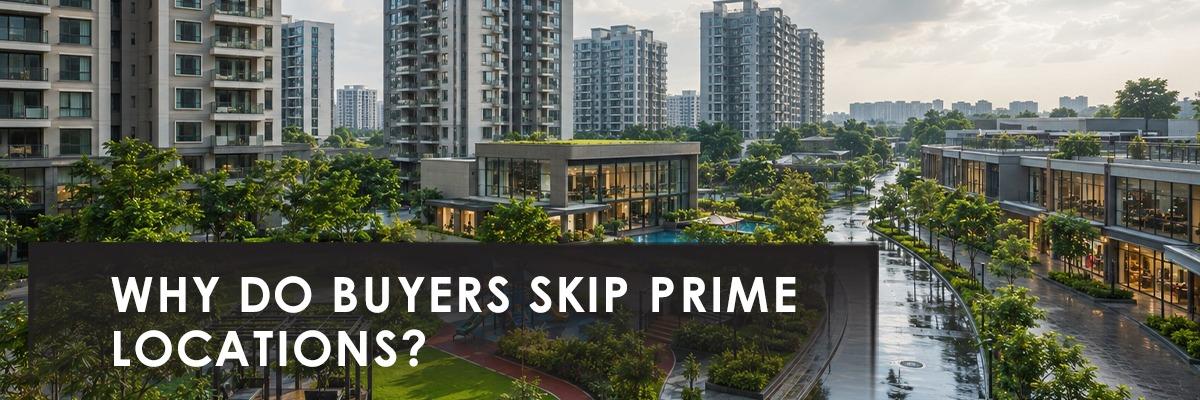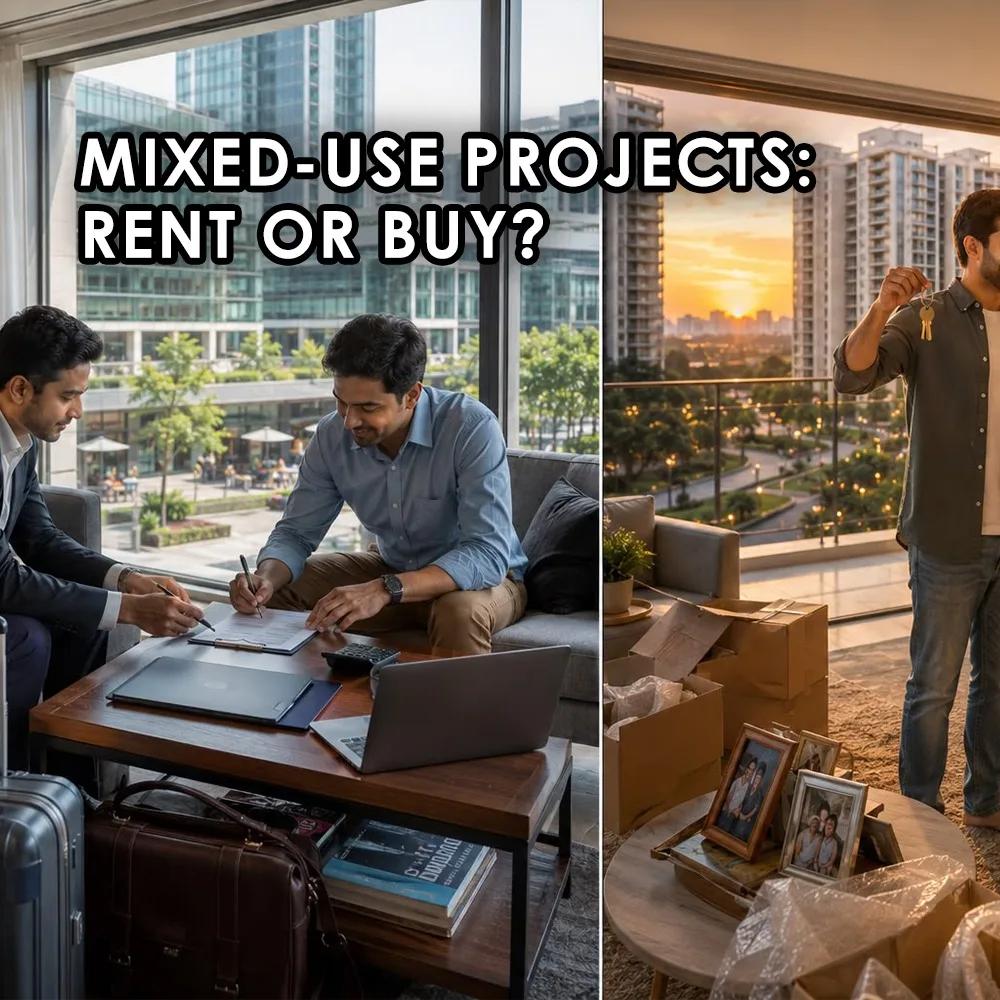

Walk into any real estate conversation in Delhi NCR, Bengaluru or Pune right now and someone will eventually bring up a mixed-use development. These are the sprawling projects where a residential tower sits above a retail arcade, an office block, maybe even a hospital wing, all stitched together so residents rarely need to leave. The question that follows almost immediately is whether it makes more sense to rent a flat there or buy one outright.
Choosing between rent vs buy inside a mixed-use development comes down to how long you plan to stay and how much liquidity you can afford to give up. Rental yield across India remains modest, which favours renting for shorter horizons, while integrated townships near strong infrastructure corridors reward patient buyers. There is no single right answer, only the one that fits your timeline, your finances and how much convenience is genuinely worth to you.
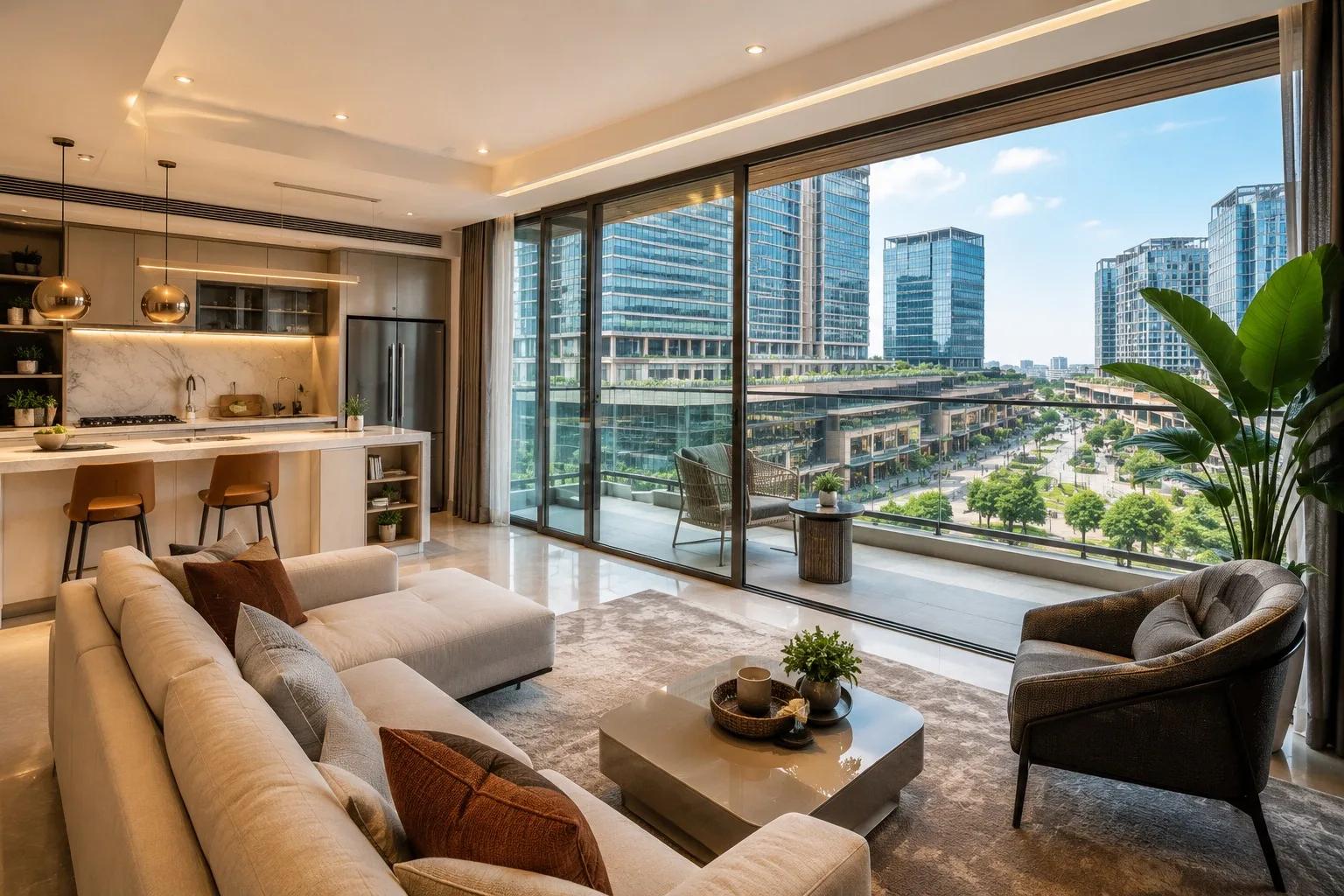
A regular apartment complex gives you a home and a gate. A mixed-use development gives you a home, a supermarket, a gym, a co-working floor and sometimes a school, all within a ten to fifteen minute walk. That convenience has a price tag attached, and it shows up whether you rent or buy.
Developers pushing integrated townships love to point at appreciation numbers, and to be fair, some of it holds up. Projects near metro corridors and expressways have been repricing faster than standalone towers in the same city. Land near these hubs is finite, so once the retail and office components mature, residential values tend to follow.
Here is the catch nobody puts on the brochure. A flat inside a large mixed-use development often costs more per square foot than an identical unit in a plain residential society nearby, purely because you are paying for shared infrastructure you may or may not use daily. Add stamp duty, registration and a down payment that eats into savings, and the buying decision stops being obvious.
Rental yield across major Indian cities has been hovering in a modest two and a half to three and a half percent range through 2026, with a handful of high-demand micro-markets touching six or seven percent. That is not spectacular. Park the same down payment in a fixed deposit or a diversified mutual fund and you could be looking at returns comfortably above what rent alone brings in.
Renting in one of these developments lets you test the lifestyle without locking in capital. You get the walkable ecosystem, the security, the retail access, and if the commute to your office changes or the project underdelivers on its promised amenities, you simply move. Rent does climb every year, usually somewhere between six and nine percent, so this is not a free ride either.
Financial planners keep coming back to one number: how many years will you actually stay? If your horizon is under five years, renting almost always wins once you account for stamp duty, brokerage, interest outgo and the opportunity cost of a locked-up down payment. Cross seven or eight years in the same city, and ownership starts pulling ahead, especially in a mixed-use development where commercial and retail components keep pushing footfall and value upward.
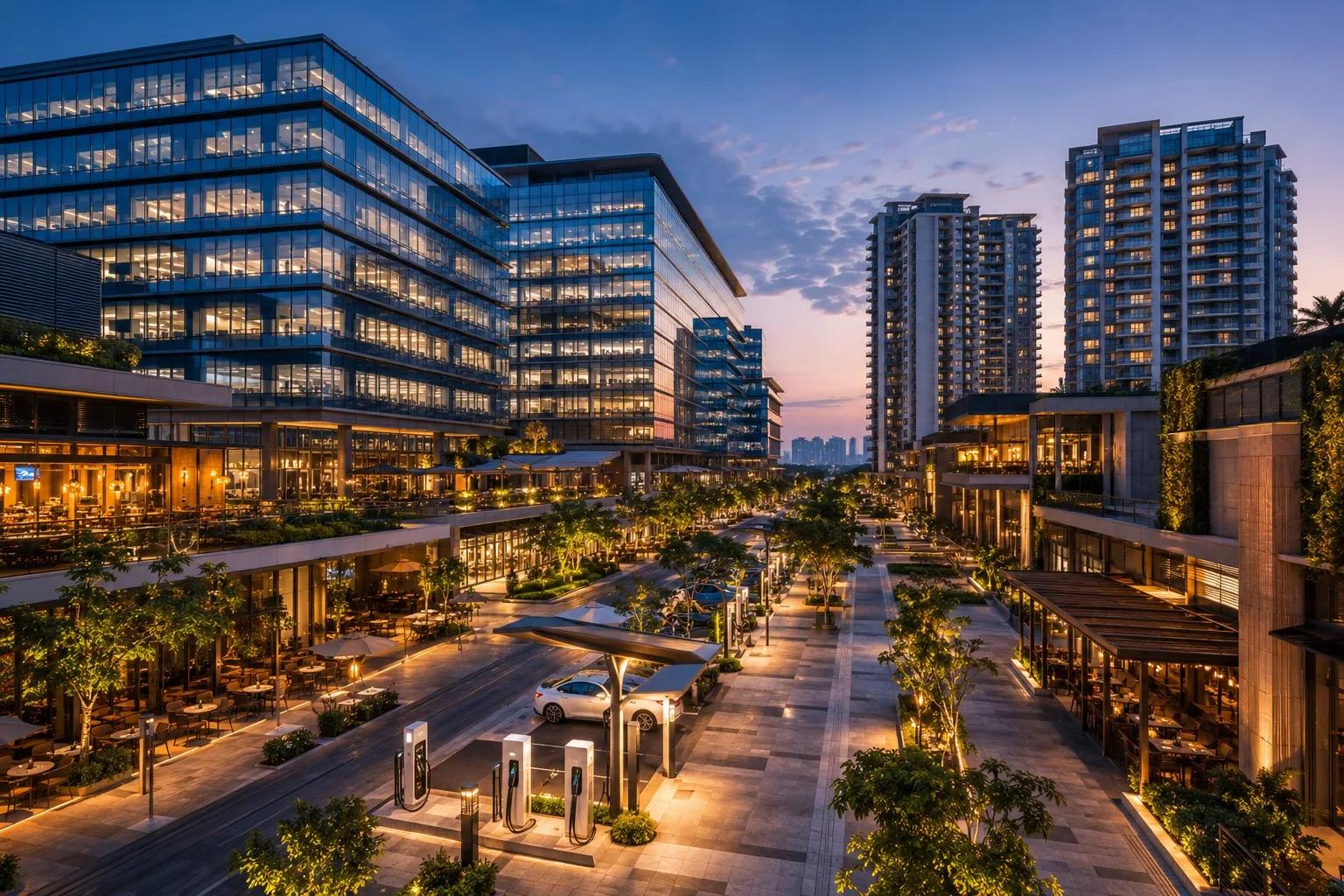
It is not just individual buyers weighing this. Large investors have been funnelling a significant share of fresh real estate capital into land and development sites built around this very model, betting on the combination of rental income from retail and office space alongside residential sales. That institutional confidence does not guarantee your personal returns, but it does suggest the format has staying power.
There is no universal answer here, and anyone who tells you otherwise is selling something. If your job is stable, your city is fixed for the next decade, and you have the down payment without straining your monthly budget, buying inside a well-located mixed-use development can build real wealth. If you value flexibility or your five-year plan is genuinely uncertain, renting the same lifestyle costs far less stress.
Choosing between rent vs buy inside a mixed-use development comes down to how long you plan to stay and how much liquidity you can afford to give up. Rental yield across India remains modest, which favours renting for shorter horizons, while integrated townships near strong infrastructure corridors reward patient buyers. There is no single right answer, only the one that fits your timeline, your finances and how much convenience is genuinely worth to you.


Find Detailed Answers to Frequently Asked Questions to Help You Make Smart and Confident Real Estate Decisions
Mixed-use developments are large projects integrating residential towers with retail spaces, offices, and sometimes amenities like hospitals or schools, offering residents convenience within a single complex.
The higher cost per square foot in mixed-use developments is due to the included shared infrastructure and amenities like retail and office spaces, which buyers partially fund.
Rental yields in India typically range from 2.5% to 3.5%, with some prime areas reaching 6-7%. This modest return means investing the down payment elsewhere could yield more than rent alone.
Buying generally becomes more advantageous if you plan to stay for over 7-8 years. For horizons under 5 years, renting is usually the more cost-effective option when factoring in all associated buying costs.
The break-even point is the number of years you need to stay in a property for the accumulated benefits of ownership (appreciation, equity) to outweigh the costs of buying and the advantages of renting (flexibility, lower initial outlay).
Significant institutional investment in mixed-use developments signals confidence in the model's long-term viability, driven by the combined income from residential sales and commercial/retail rentals.