Nobody thinks about the wiring behind their walls until something sparks. Literally. Most Indian households treat electricity the way they treat engine oil, something to worry about only after it fails. That habit costs lives every year, and it does not have to. A handful of checks, done properly and repeated on schedule, can turn a home's electrical system from a hidden risk into something you barely think about again.
Electrical safety in Indian homes comes down to a few disciplined habits rather than expensive overhauls. Treating home wiring safety as a yearly priority, not an emergency response, is what actually keeps families safe.
Homes today run more current than they were ever designed for. Air conditioners, geysers, induction cooktops, EV chargers, all pulling from wiring that was often laid decades ago for a couple of fans and tube lights. Fire department data across major cities consistently points to short circuit as the single biggest trigger behind residential fires. That is not a small statistic to shrug off.
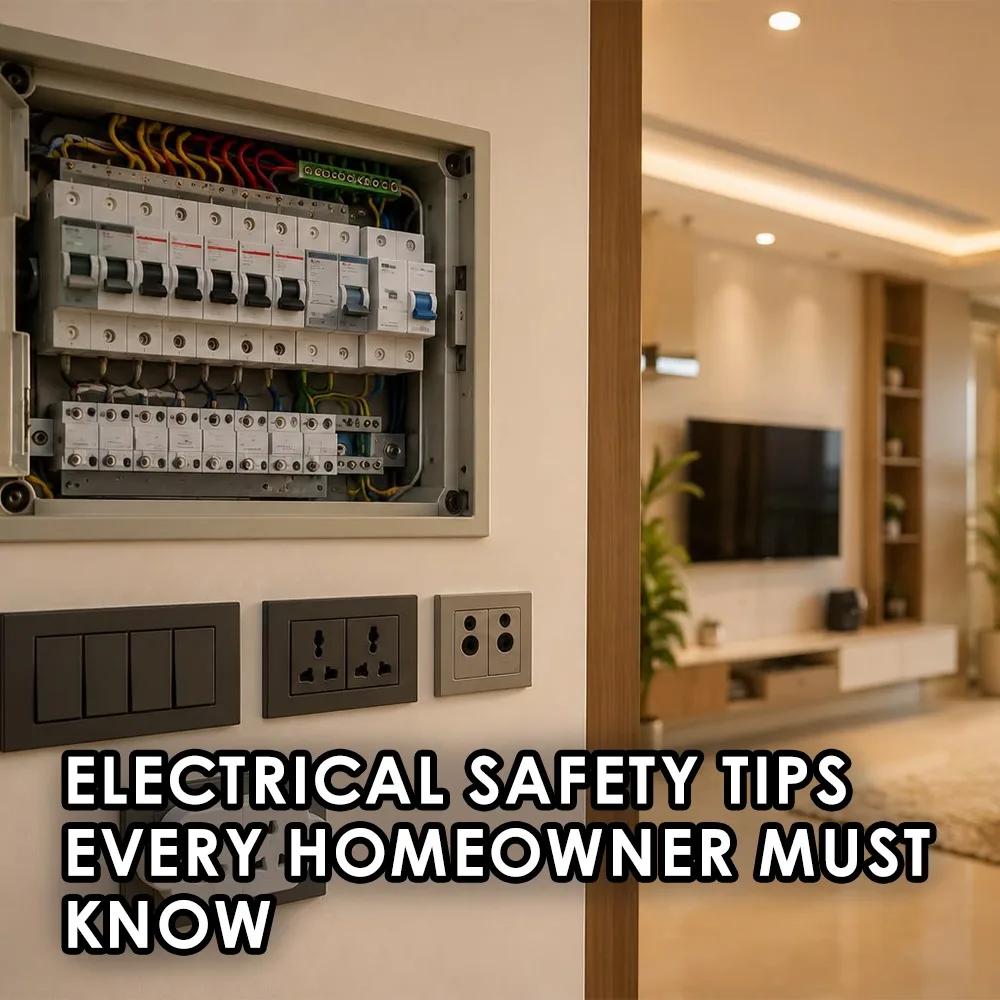
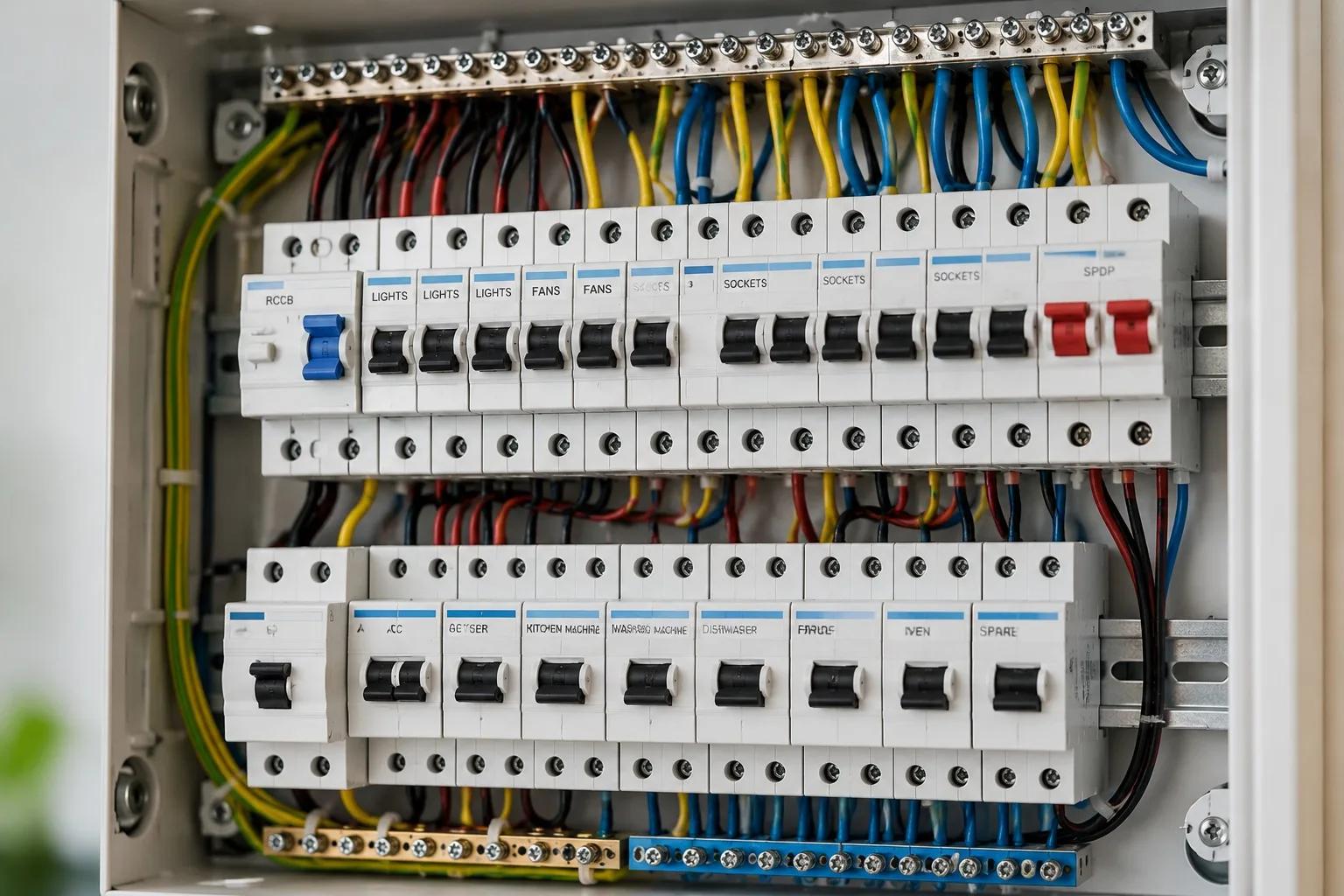
The first place to look is your distribution board, not your fridge or your microwave. Every circuit should run through a properly rated MCB, which trips and cuts power the moment current exceeds safe limits. A lot of older flats still use fuse wire instead, and that alone is reason enough to call an electrician this month. Ask specifically whether your MCBs are ISI marked, since uncertified breakers are common and often fail to trip when they should.
Proper earthing in homes sends stray current safely into the ground instead of through a person who touches a faulty appliance. Many older buildings, built before certain municipal codes tightened, were never earthed correctly in the first place. If your home has two-pin sockets everywhere and no visible earth wire running to a pit outside, get it checked. This single fix prevents a shocking number of accidents, and yes, that pun is intended.
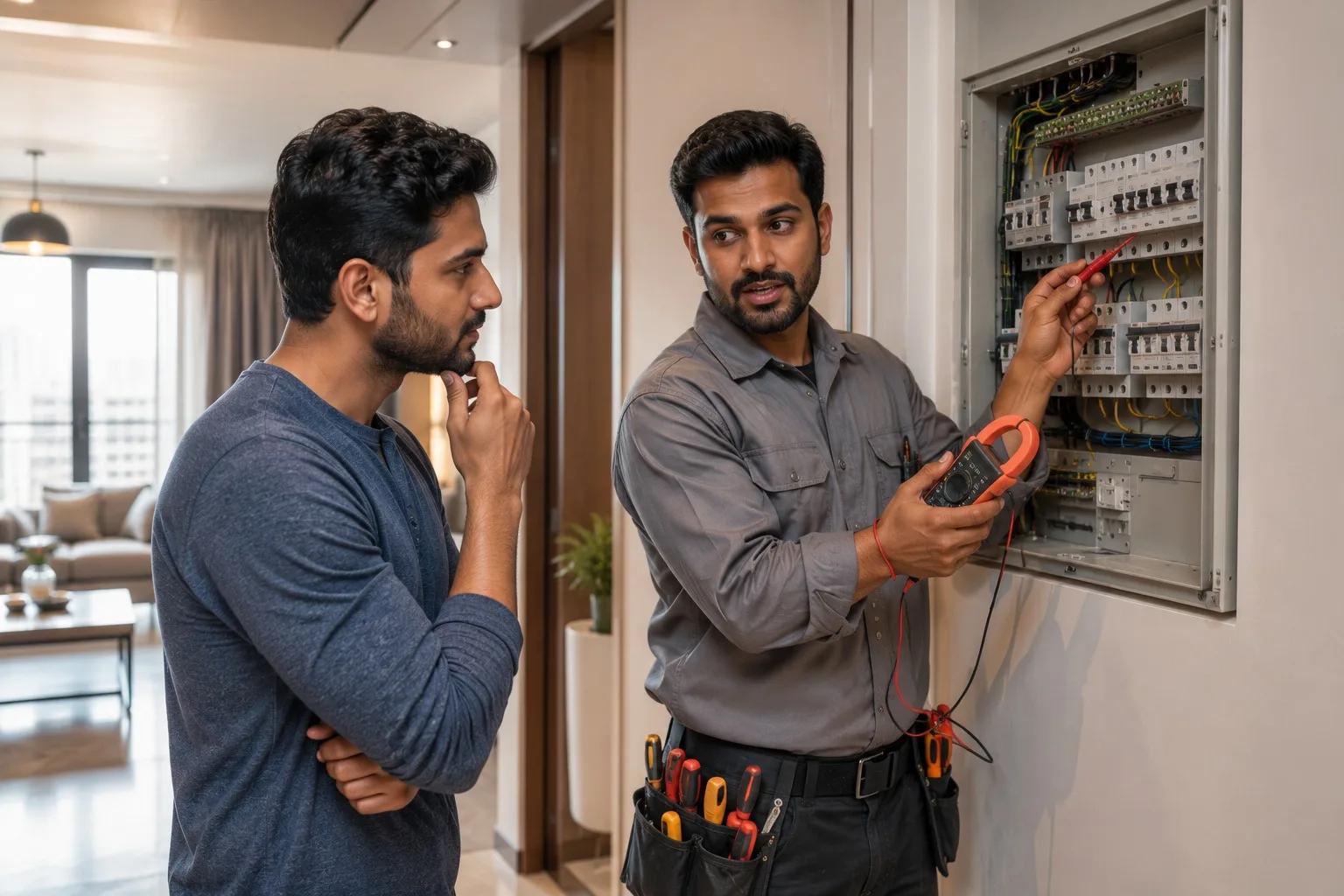
A flickering bulb that nobody investigates. A switchboard that feels slightly warm. A faint burning smell near the meter box that everyone assumes is coming from the kitchen. These are not quirks of an old house — they're early symptoms of loose joints, overheating insulation, or wires carrying more load than they can handle. Catching these early is dramatically cheaper than dealing with the aftermath.
High draw appliances like air conditioners and geysers should never share a circuit with lighting or plug points. Each deserves its own dedicated line back to the panel. This single change, which most electricians finish in an afternoon, removes a huge chunk of overload risk from a typical home. If your building predates this practice, it is worth retrofitting even if it means some wall repair work.
Unbranded, non-ISI wire is thinner than its rated capacity suggests, and it heats up faster under load. It is also cheaper, which is why so much of it ends up in budget renovations. Insist on certified copper home wiring from a known brand when you rewire, even if the quote comes in higher. This is not the place to save money.
If you are purchasing a resale flat or an older independent house, ask for the electrical layout and find out when the wiring was last replaced. Builders of new projects are increasingly disclosing wiring specifications and earthing details upfront, and that transparency is worth rewarding with your business.
Get a qualified electrician to inspect your panel, earthing, and major appliance circuits once a year. It takes under an hour and costs far less than a hospital visit or a burnt kitchen.
Electrical safety in Indian homes comes down to a few disciplined habits rather than expensive overhauls. Checking for ISI marked wiring and breakers, ensuring proper earthing in homes, giving high load appliances dedicated circuits, and paying attention to early warning signs together form the backbone of real electrical fire prevention. Whether you own an older property or are evaluating a new one, treating home wiring safety as a yearly priority, not an emergency response, is what actually keeps families safe.


Find Detailed Answers to Frequently Asked Questions to Help You Make Smart and Confident Real Estate Decisions
Modern homes use more electricity than older wiring was designed for, increasing the risk of short circuits and fires, especially with appliances like ACs, geysers, and EV chargers.
Start with your distribution board. Ensure all circuits have properly rated, ISI-marked MCBs instead of old fuse wires, as these are crucial for preventing electrical overloads.
Proper earthing is vital. It safely directs stray current into the ground, preventing electric shocks from faulty appliances. Homes without adequate earthing are at significant risk.
Look out for flickering bulbs, warm switchboards, or faint burning smells near electrical points. These can indicate loose connections, overheating, or overloaded wires.
No, high-draw appliances like ACs and geysers should have their own dedicated circuits running directly to the panel to prevent overloading other circuits.
Schedule a professional inspection of your electrical panel, earthing, and appliance circuits by a qualified electrician once a year to catch potential issues early.