Two friends buy flats the same month, same budget, same city. One picks a modest building five minutes from her office, the other picks a gated township with a rooftop pool twenty five minutes away. Five years later, guess whose flat sold faster and for more. This isn't a trick question, but the answer surprises people more often than it should.
Choosing between location and amenities is about sequencing priorities correctly. Location protects long-term value and rental demand, while amenities shape daily comfort and lifestyle appeal. Data shows both matter, with premium homes gaining share and well-connected locations commanding steady premiums. Understanding this balance leads to fewer regrets.
Every property agent in India repeats the same line, location, location, location. It's become such a cliché that people almost stop hearing it. But clichés survive because they hold up, and this one genuinely does when you look at how resale prices actually move across a city over time.
That said, dismissing amenities entirely would be lazy. Homes priced above the premium threshold now make up roughly seventy one percent of total sales as of early 2026, up sharply from around fifty nine percent just a year earlier. Buyers aren't just paying for square footage anymore, they're paying for clubhouses, gyms, and the general feeling of arriving somewhere that looks after itself.
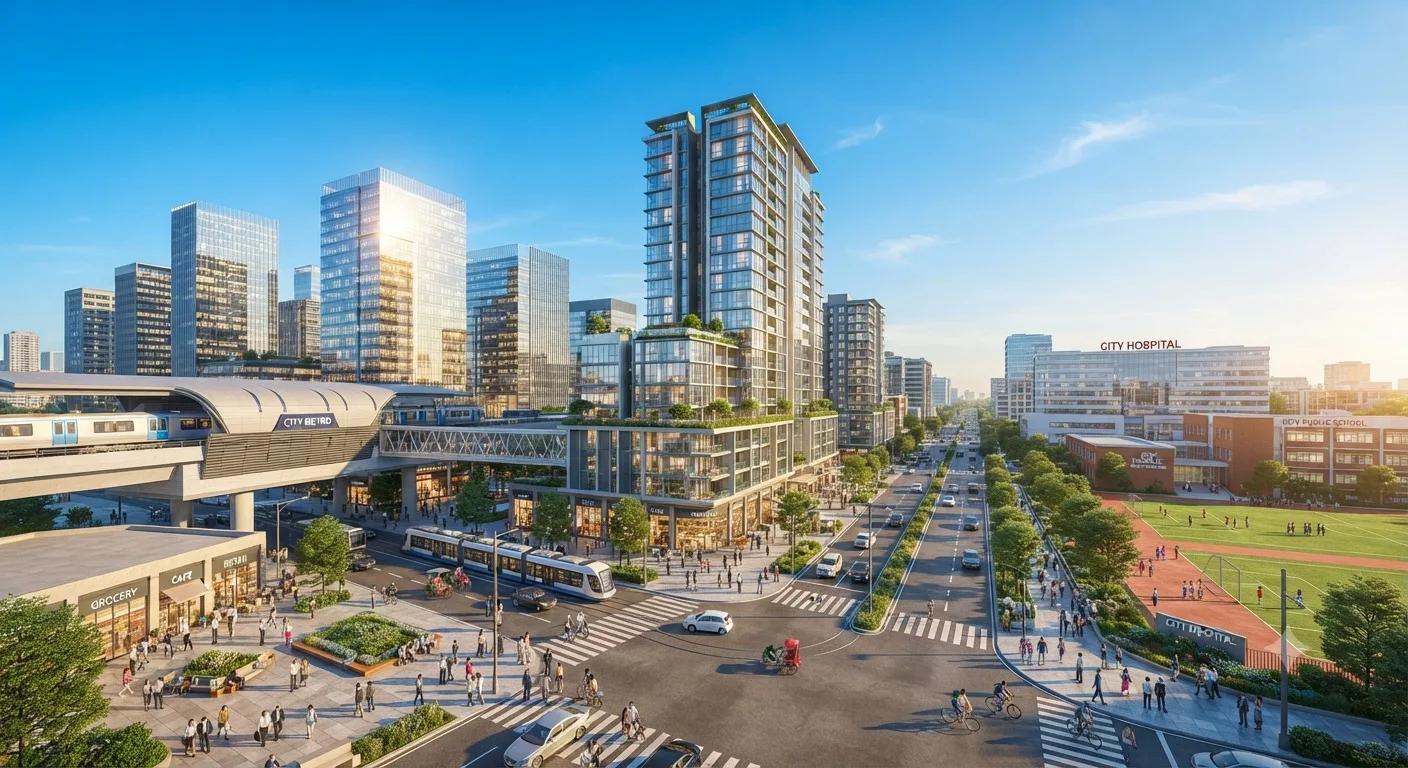
Here's something worth sitting with. A well located property near essential infrastructure, schools, transit, hospitals, tends to carry a five to ten percent premium purely because of where it sits, independent of what's inside the building. That's not marketing talk, that's how buyers actually price things when they're comparing two similar flats a few kilometres apart.
Capital values in premium housing rose by close to twenty eight percent in several major cities during the first half of 2026 alone. Noida saw some of the sharpest jumps, Mumbai wasn't far behind. Developers know buyers want wellness features and lifestyle add ons, so they're building accordingly, sometimes in locations that aren't quite established yet, betting infrastructure will catch up later.
But here's the catch nobody advertises. A stunning tower with a jogging track and a spa can still sit half empty if it's stranded thirty minutes from the nearest office corridor with no metro line in sight. I've seen this happen in the outskirts of more than one Indian city, gorgeous buildings, painfully slow appreciation, because the location simply never arrived.
Swimming pools need maintenance. Gyms go out of fashion or fall into disrepair after a decade of use. A location near a metro station, a good school, or a hospital doesn't wear out the same way. If anything, established locations tend to get more valuable as the surrounding area matures and infrastructure improves further.

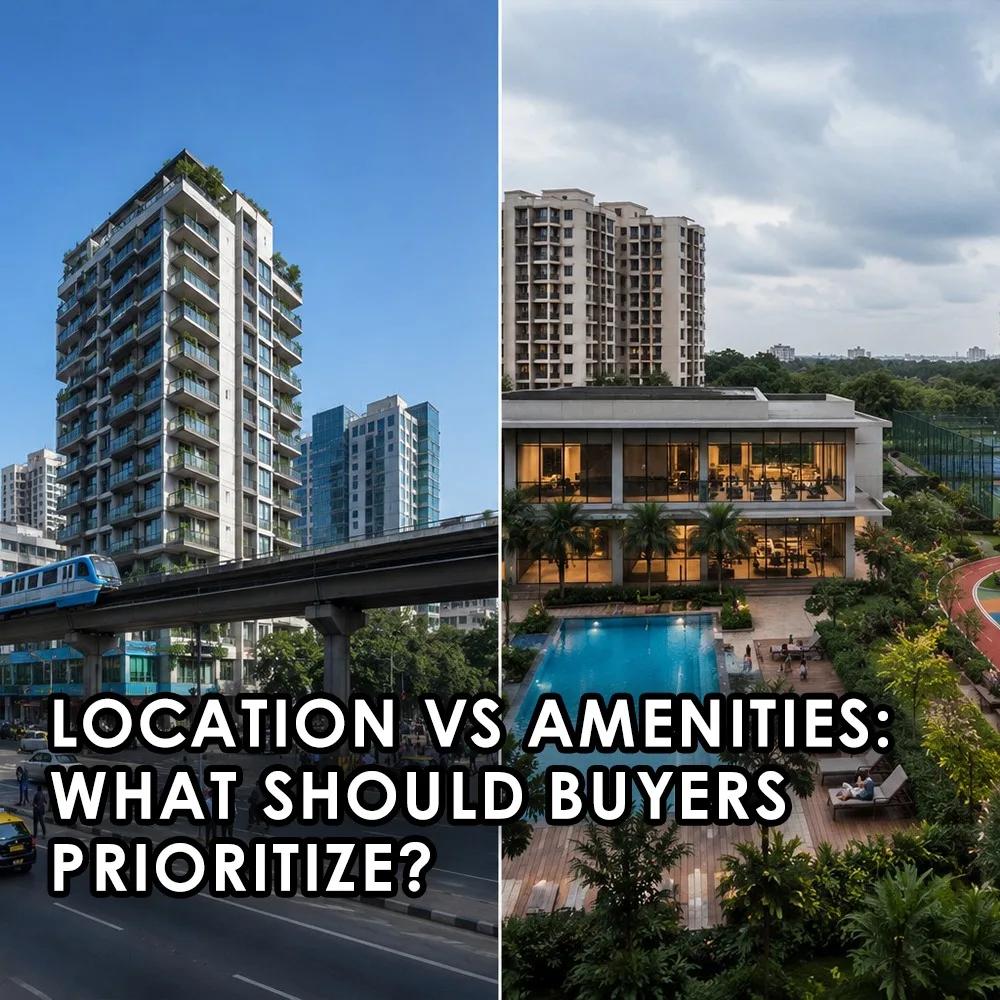
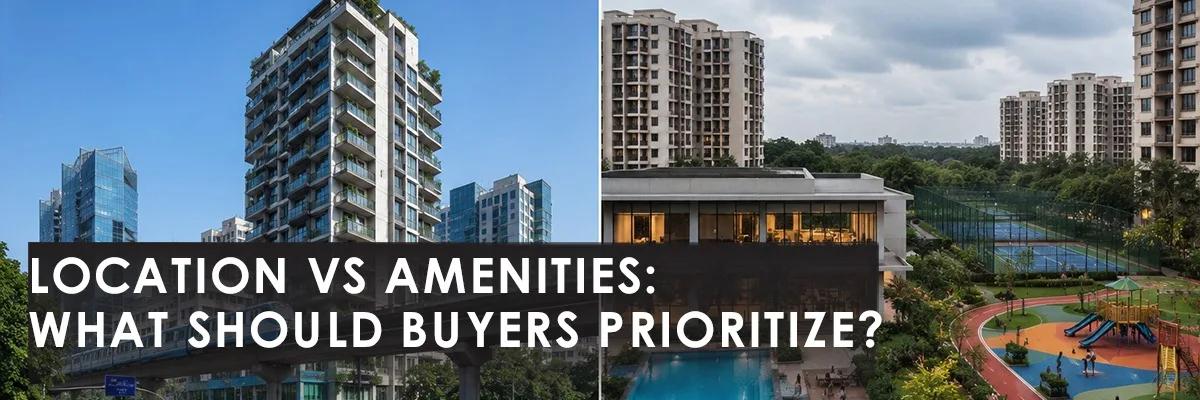
A useful way to think about this, treat location as the foundation and amenities as the finish. You wouldn't build a house on shaky ground no matter how nice the paint job looks. Similarly, don't let a fancy clubhouse distract you from a commute that'll eat two hours of your day, every single day, for years.
If you're buying to live in for the next decade and comfort matters daily, amenities deserve real weight in your decision. If you're buying with resale or investment in mind, location should carry the heavier vote almost every time. Most buyers actually need a mix, just weighted differently depending on why they're buying at all.
Choosing between location and amenities isn't really an either or question, it's about sequencing your priorities correctly. Location tends to protect long term value and rental demand, while amenities shape daily comfort and lifestyle appeal. Data from 2026 shows both matter more than ever, with premium amenity rich homes gaining share even as well connected locations continue commanding a steady price premium. Buyers who understand this balance rarely regret their decision later.


Find Detailed Answers to Frequently Asked Questions to Help You Make Smart and Confident Real Estate Decisions
Location is paramount because it directly impacts resale value and rental demand. Properties near essential infrastructure like schools, transit, and hospitals often hold a price premium independent of internal features.
Amenities like clubhouses and gyms are becoming significant value drivers, especially in premium housing. Developers are increasingly focusing on these features, contributing to a sharp rise in the share of amenity-rich homes in total sales.
No, a stunning building with excellent amenities can struggle if it's in a poorly connected location lacking essential infrastructure or transit options. Such properties may experience slow appreciation.
Amenities like pools and gyms require maintenance and can become dated or fall into disrepair. In contrast, a good location near established infrastructure generally becomes more valuable over time as the surrounding area matures.
Consider location as the foundation and amenities as the finish. For long-term investment or resale, location should be prioritized. For daily living and comfort, amenities deserve significant weight. Most buyers need a balance, adjusted to their personal priorities.