
242 Articles

Planned urban development in India, from greenfield townships like Naya Raipur and NAINA to private integrated projects, offers a sustainable path to meeting housing demand. These models, including participatory land schemes, address challenges like sprawl and land acquisition, though consistent investment and implementation remain crucial.
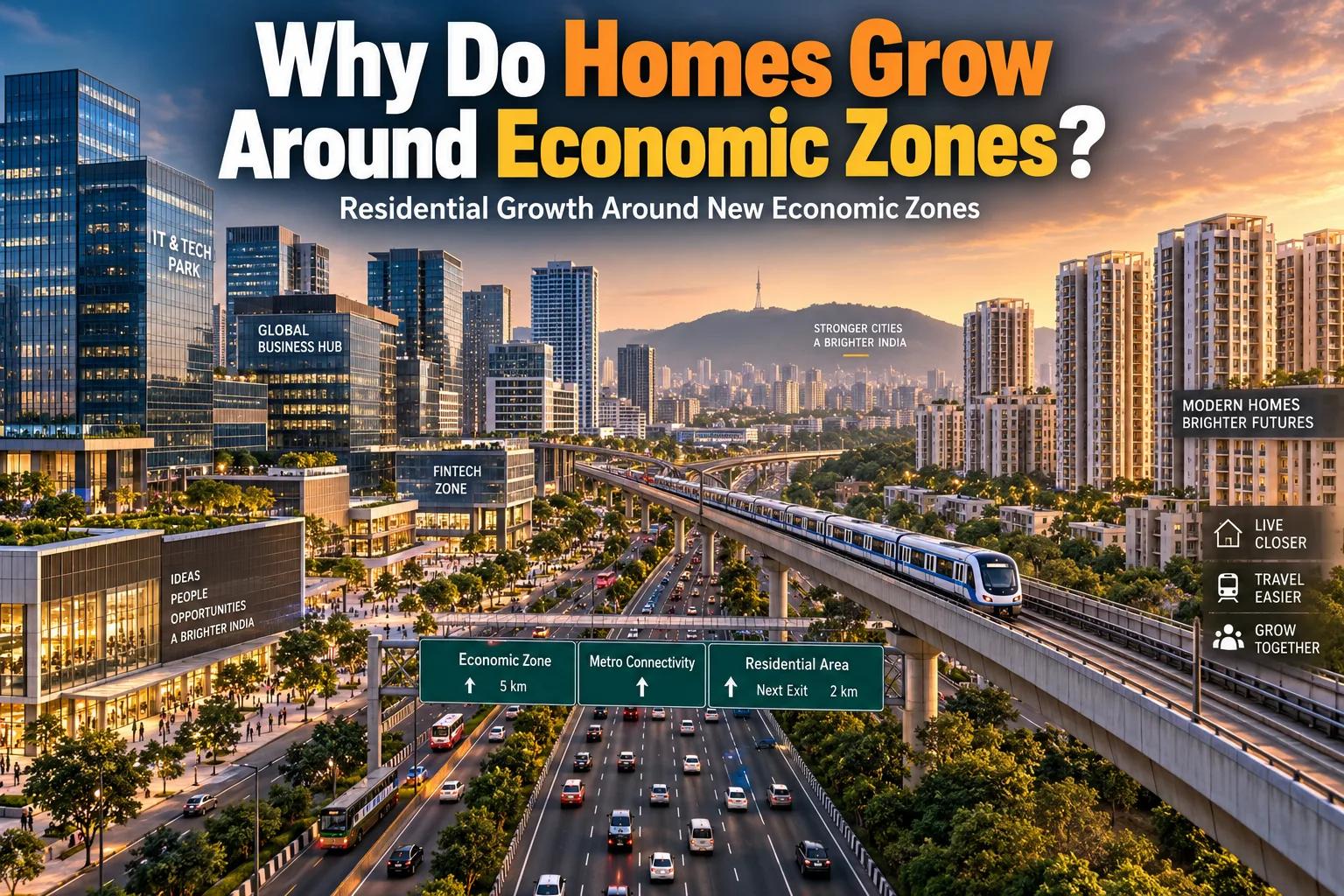
Residential growth in India is increasingly driven by new economic zones and government initiatives. Areas with significant job creation, from semiconductor hubs to aerospace corridors, are experiencing rapid real estate development and appreciation. This trend, supported by infrastructure and policy, highlights homes following jobs.

This guide explores Mumbai's best 2 BHK rental areas, balancing budget, commute, and lifestyle. It covers premium to affordable options, emphasizing how personal priorities drive the best choice in this diverse city.

Pune's rapid infrastructure development, including a new Ring Road, airport, and Metro expansion, is set to significantly reshape property values. Property buyers should understand these projects to make informed decisions and identify areas with long-term growth potential.

Developers use a rigorous, multi-stage process to select project locations, going beyond simple land spotting. This involves legal due diligence, detailed market analysis, financial modeling, and risk assessment to ensure project viability and success.

Property values near metro stations in India generally increase, but this appreciation is highly dependent on proximity and often occurs during the construction phase. While long-term data from cities like Bengaluru confirms substantial gains, Mumbai shows more moderate premiums, underscoring the nuanced nature of this real estate trend.

This blog highlights why a thorough site visit is crucial before buying a home, as online research alone is insufficient. It details key aspects to check on-ground, from timing visits to speaking with residents and verifying against RERA documents, to avoid costly regrets.

Studio apartments are gaining significant traction in Tier-1 Indian cities, offering attractive rental yields and lower costs compared to larger homes. They appeal to young professionals and investors seeking high returns and predictable demand in key urban micro-markets.