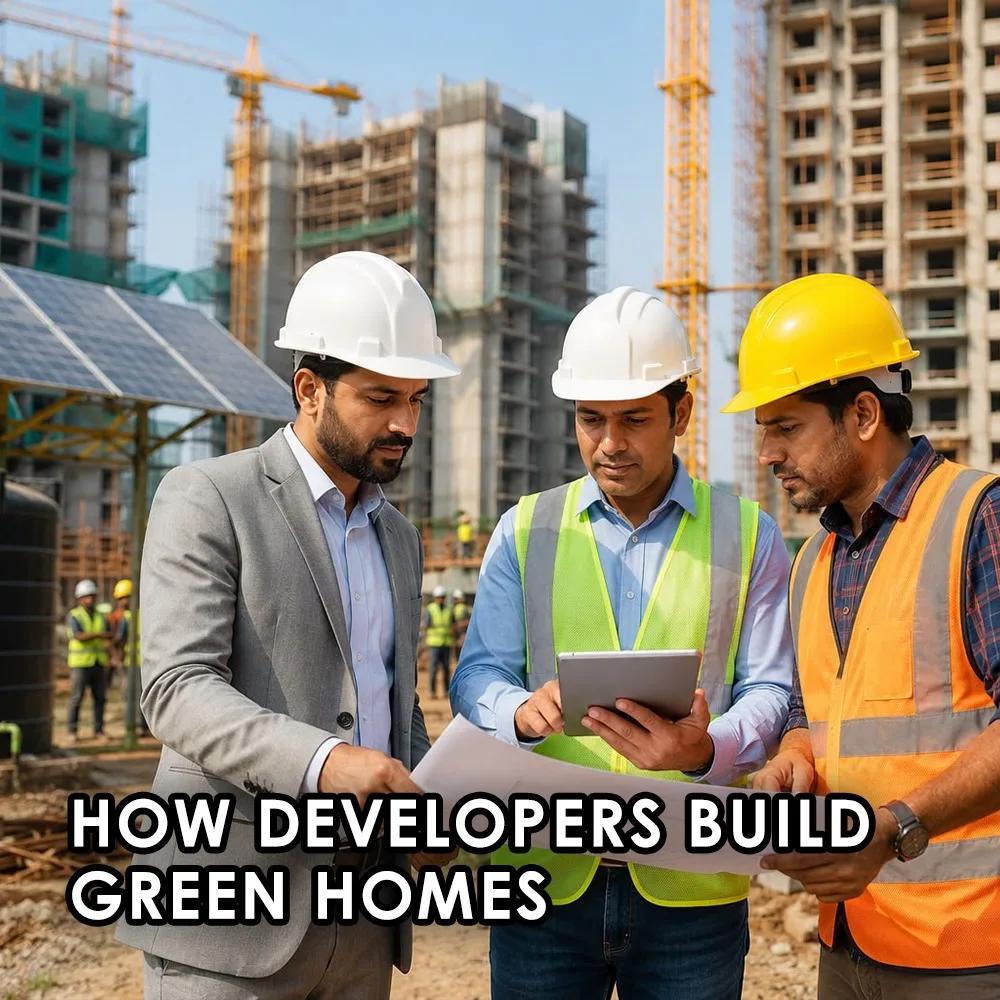
Building green in India costs more. That is the honest starting point of any serious conversation about eco-friendly housing India development economics. But the more interesting question is not how much more it costs, it is where those extra rupees go, how quickly they come back, and why an increasing number of developers are choosing this path even without being forced to.
The extra cost of eco-friendly housing projects in India is real, but so is the return on investment through price premiums, rental demand, government incentives, and long-term performance.
A green building cost India project carries an initial construction premium of roughly 10 to 20 percent over a conventionally built counterpart of equal size. On a project costing Rs 50 crore to develop conventionally, a developer going the eco-friendly route is typically committing an additional Rs 5 to 10 crore upfront. That figure is not fixed. It shifts depending on the certification level being targeted, the location, the size of the project, and which specific green features are being incorporated.
Targeting basic IGBC certification costs less than pursuing a LEED Platinum or GRIHA five-star rating. A project that installs rooftop solar, rainwater harvesting, and energy-efficient glazing will cost differently from one that also incorporates greywater recycling, EV charging infrastructure, and smart building management systems. Each feature adds to the construction bill while also adding to the long-term value delivered to residents.
The cost of sustainable housing development cost India breaks down across several categories. Material upgrades form the largest chunk. Fly-ash bricks replace conventional red bricks, AAC blocks replace standard concrete masonry, low-VOC paints replace standard emulsions, and recycled wood or bamboo replaces conventional timber in select applications. These materials typically cost 8 to 15 percent more than their conventional equivalents but offer better insulation, lower embodied carbon, and greater durability over a building's life.
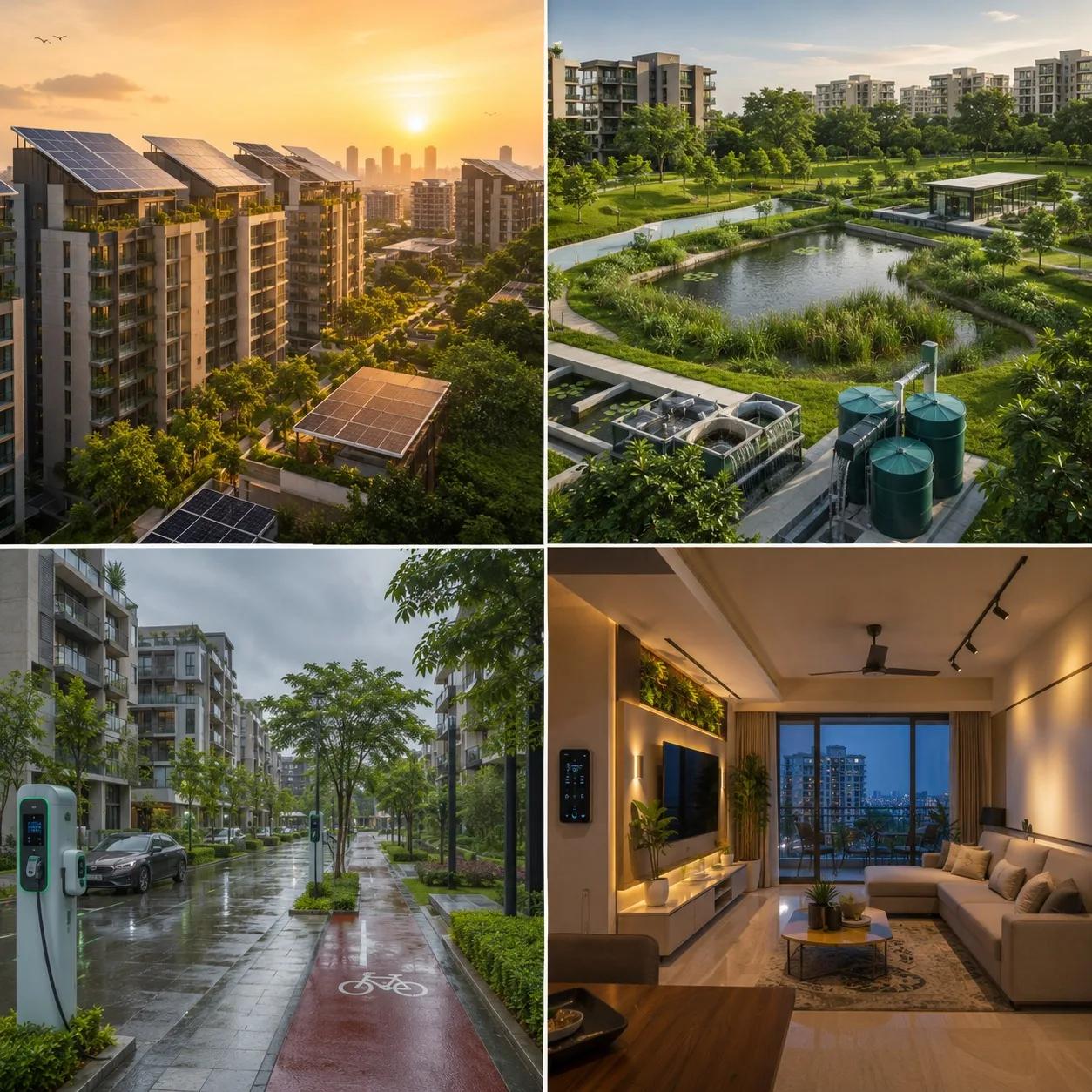
Energy systems are the second major expenditure. Solar panels for common areas, energy-efficient HVAC systems, LED lighting throughout, and automated building management controls all carry higher upfront costs but deliver measurable savings from the first month of operation. Developers targeting IGBC-certified housing project cost efficiency typically recover these energy system costs within four to seven years through reduced common area electricity bills.
Water systems including rainwater harvesting tanks, dual plumbing for greywater reuse, and low-flow fixtures add another layer. Certification fees to IGBC or GRIHA, third-party audits during and after construction, and documentation requirements for compliance add a further Rs 10 to Rs 25 lakh depending on project size.
The market is rewarding the investment. Eco-friendly residential project expenses India are increasingly justified by buyer behaviour. Homebuyers across Bengaluru, Pune, Hyderabad, and Chennai are paying a visible price premium for certified green projects. Research from IGBC indicates green-rated homes command 5 to 10 percent higher resale values compared to conventional buildings in the same micro-market. Rental demand from environmentally aware young professionals also favours green-certified buildings.
From a developer's perspective, government incentives help offset part of the higher cost. Several states offer additional Floor Area Ratio to green-certified projects, which directly increases revenue potential without increasing land costs. Faster municipal approvals, reduced development charges in some jurisdictions, and access to green financing at lower interest rates all improve the economics of green construction India at the project level.
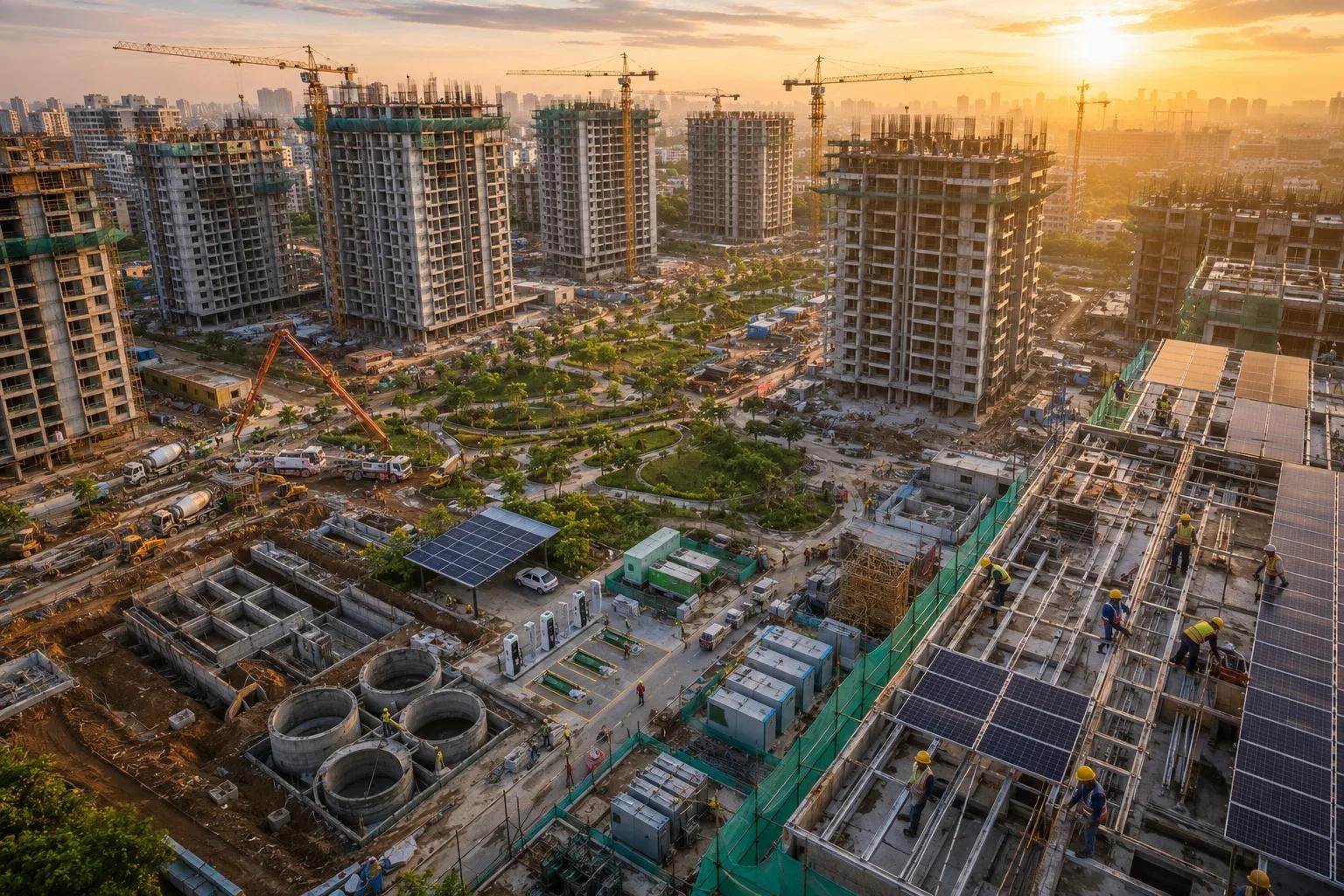
India's green building market was valued at approximately USD 39 billion by 2025, with the residential segment commanding the larger share. The green building materials market alone is projected to reach Rs 7 lakh crore by 2030. These numbers explain why large developers are not treating green construction as an optional add-on but as a core product strategy.
What is the cost of developing eco-friendly housing projects in India involves a 10 to 20 percent premium over conventional construction, spread across sustainable materials, energy systems, water infrastructure, and certification processes. Why eco-friendly housing costs more than conventional construction in India is ultimately a reflection of higher-quality inputs and longer-term performance engineering. How developers recover higher costs of eco-friendly housing projects in India happens through price premiums at sale, higher rental demand, government FSI incentives, and faster buyer trust conversion. The extra cost is real. So is the return.


Find Detailed Answers to Frequently Asked Questions to Help You Make Smart and Confident Real Estate Decisions
Eco-friendly housing in India typically incurs an upfront construction premium of 10 to 20 percent compared to conventionally built homes.
The additional cost goes into material upgrades (fly-ash bricks, AAC blocks), enhanced energy systems (solar panels, efficient HVAC), water systems (rainwater harvesting), and certification fees.
Developers recover costs through higher resale values (5-10% premium), increased rental demand, government incentives like extra Floor Area Ratio (F.A.R.), and faster financing.
India's green building market is substantial, projected for significant growth, with the residential segment holding a larger share, indicating it's a core strategy for developers.
Yes, targeting higher certification levels like LEED Platinum or GRIHA five-star is more costly than achieving basic IGBC certification, and incorporating more features also increases costs.