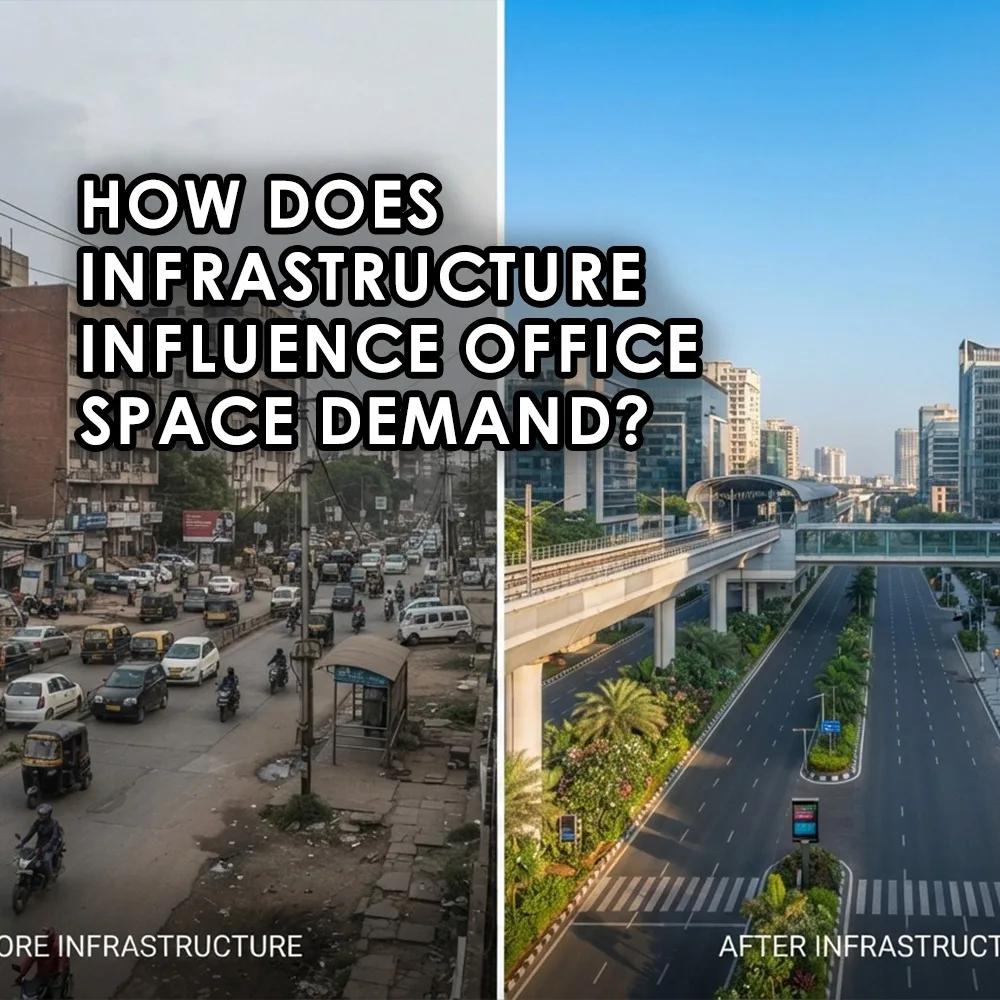
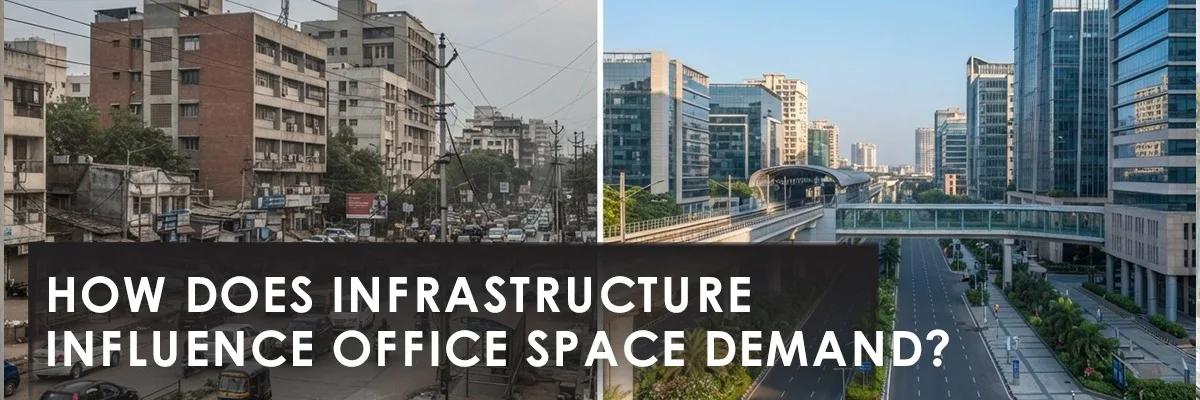
Ten years ago, choosing where to lease an office in an Indian city meant one thing, get as close to the traditional business district as the budget allowed. That rule is quietly falling apart. Walk through any leasing conversation happening in 2026 and infrastructure, not address prestige, is doing most of the talking.
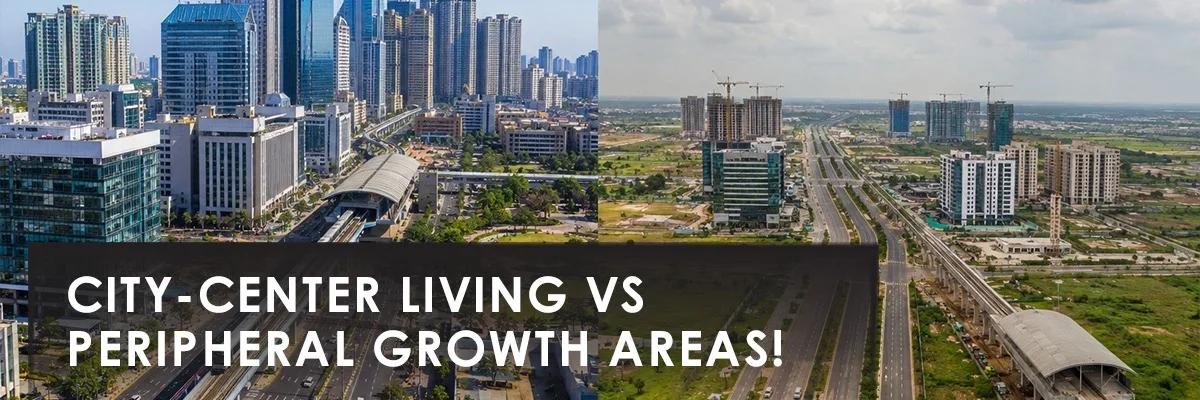
Office space demand across Indian cities is increasingly shaped by infrastructure rather than legacy prestige. Metro connectivity, expressway projects and improving civic amenities are decentralising commercial activity away from traditional business districts toward well connected peripheral zones. GCCs and Grade A occupiers are leading this shift, favouring accessibility over address. For investors and businesses alike, tracking upcoming infrastructure plans has become just as important as evaluating current rental benchmarks before committing to a location.
Companies used to pay a premium just to sit in Nariman Point or Connaught Place because that's simply where business happened. Now occupiers are asking a different question first, how long does it take an employee to actually reach the building. A shorter, predictable commute is starting to outrank a fancy pin code, and that shift alone is rewriting which parts of a city get leased first.
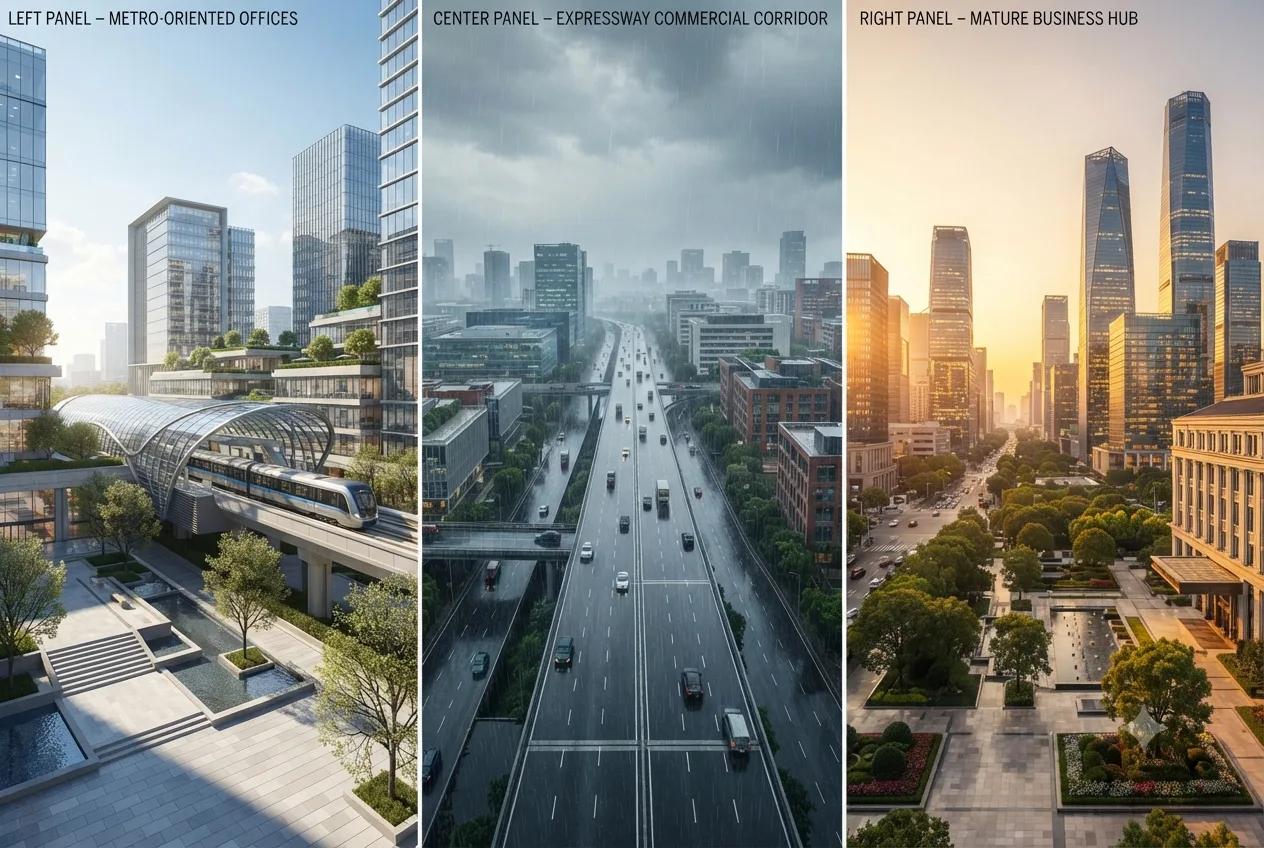
Metro corridors have become one of the strongest predictors of where office demand lands next. Areas that were considered secondary markets a decade back are turning into genuine commercial destinations the moment a metro line reaches them. It isn't subtle either, developers and occupiers both track upcoming metro phases the way investors track earnings reports.
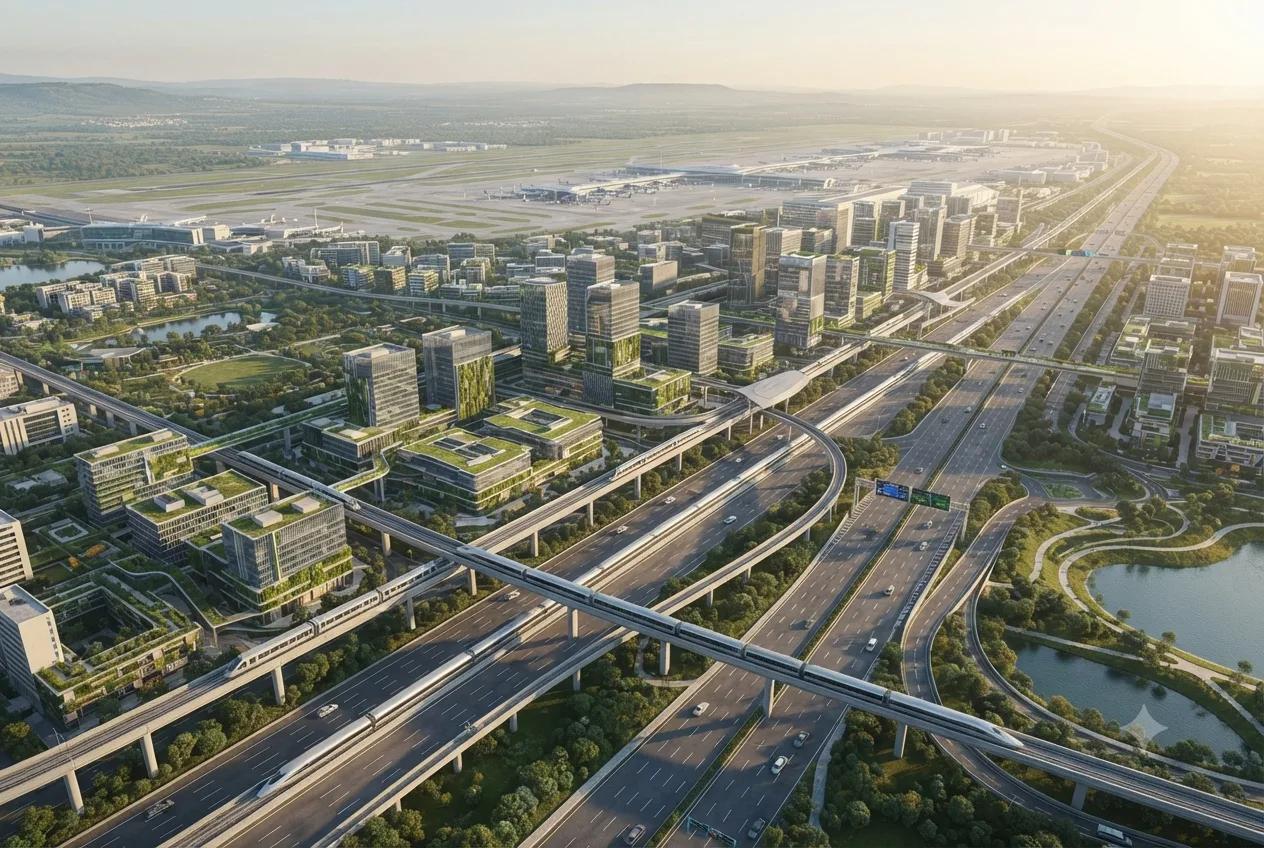
Mumbai offers the clearest example. For decades, demand stayed locked around BKC, Lower Parel and Andheri simply because getting anywhere else was a commuting nightmare. As the metro network expands, office demand is decentralising toward corridors that were barely on the map five years ago. Bengaluru is following a similar script, with metro connectivity pulling both residential and commercial interest toward stations that used to sit on the city's fringe.
Global capability centres, of which India now hosts well over sixteen hundred, are unusually picky about location logistics. These aren't small satellite teams anymore, they're core operational units running finance, cybersecurity and product engineering functions for global parents. When a GCC scouts a city, connectivity to the airport, arterial roads and public transit weighs almost as heavily as rental cost.
There's a reason Grade A office space demand keeps climbing fastest in pockets touched by fresh infrastructure investment. Occupiers chasing premium tenants and top talent won't settle for a building stuck behind a congested access road, no matter how modern the interiors look. Infrastructure essentially decides which buildings even qualify to compete for the best tenants in the first place.
Places like Indore, Coimbatore, Jaipur and Lucknow have started attracting serious commercial pipelines, something that would've felt improbable not long ago. Better civic infrastructure and improving connectivity to metro anchors are letting these cities compete for occupiers who once wouldn't have considered anything outside the usual seven cities.
It isn't only about metro rail. Expressway projects near Delhi NCR, for instance, are pushing multinational occupiers to consider satellite towns that previously sat outside serious conversation. One developer executive put it plainly, companies now favour organised regions where office, retail and residential infrastructure function together rather than isolated commercial islands.
If you're evaluating an office lease or a commercial investment, infrastructure roadmaps deserve as much attention as current rental rates. A location that looks average today but sits along a confirmed metro or expressway corridor can transform within a few years. Betting early on infrastructure, rather than reacting once it's built, tends to be where the real advantage sits.


Find Detailed Answers to Frequently Asked Questions to Help You Make Smart and Confident Real Estate Decisions
Companies are now prioritizing shorter, predictable commutes and infrastructure connectivity over prestige address in traditional business districts.
Metro corridors are becoming strong indicators of new office demand, transforming secondary markets into commercial hubs.
GCCs, as core operational units, consider airport, road, and public transit connectivity as crucial as rental costs when selecting locations.
Fresh infrastructure investment attracts Grade A office spaces by ensuring easy access for tenants and talent, making buildings more competitive.
Yes, improved civic infrastructure and connectivity are enabling cities like Indore, Coimbatore, Jaipur, and Lucknow to attract commercial interest.
Leasing and investment decisions should focus on infrastructure roadmaps, as locations along planned corridors can significantly increase in value.