
Choosing a home for yourself is easy. Choosing one for your kids, your ageing parents, and everyone's daily commute at once is an entirely different puzzle. Ask any parent who has house hunted in a metro city and they'll tell you the checklist changes overnight, suddenly it's schools, hospitals, and walkable parks, not the nearest café.
Picking the right family-friendly neighbourhoods in tier-1 cities comes down to more than square footage or a shiny amenity list. Schools, healthcare access, green spaces, and genuine commute time all shape daily life far more than most buyers expect going in. Whether it's Whitefield in Bengaluru, Chembur in Mumbai, or the planned sectors of Gurugram, the smartest families are the ones who research the neighbourhood as carefully as they research the home itself.
Tier-1 cities weren't originally built with families in mind, they grew around jobs first and everything else caught up later. That's exactly why some neighbourhoods feel effortless for family life while others, despite being centrally located, quietly wear parents down. The good news is that most tier-1 cities now have at least a handful of pockets that genuinely work.
Whitefield has turned into something close to a self contained township, international schools, hospitals, and gated communities sitting within the same stretch, and the Purple Line metro extension has only made it easier to reach. HSR Layout appeals to a slightly different crowd, wide roads and actual footpaths, which sounds basic until you've tried pushing a stroller through a street without one. Jayanagar, meanwhile, keeps pulling families back generation after generation simply because its mix of greenery and everyday convenience hasn't really been replicated elsewhere in the city.
Borivali gets called the retirement capital half jokingly, but it works just as well for young families thanks to its proximity to Sanjay Gandhi National Park and genuinely cleaner air than most of the city can offer. Chembur sits almost like a midpoint for dual income households working in different corners of the city, connected to the Eastern Freeway, BKC, and the Sion-Panvel stretch all at once. Powai and Thane West round out the shortlist too, both offering that increasingly rare combination of decent schools nearby and a commute that doesn't eat your entire evening.
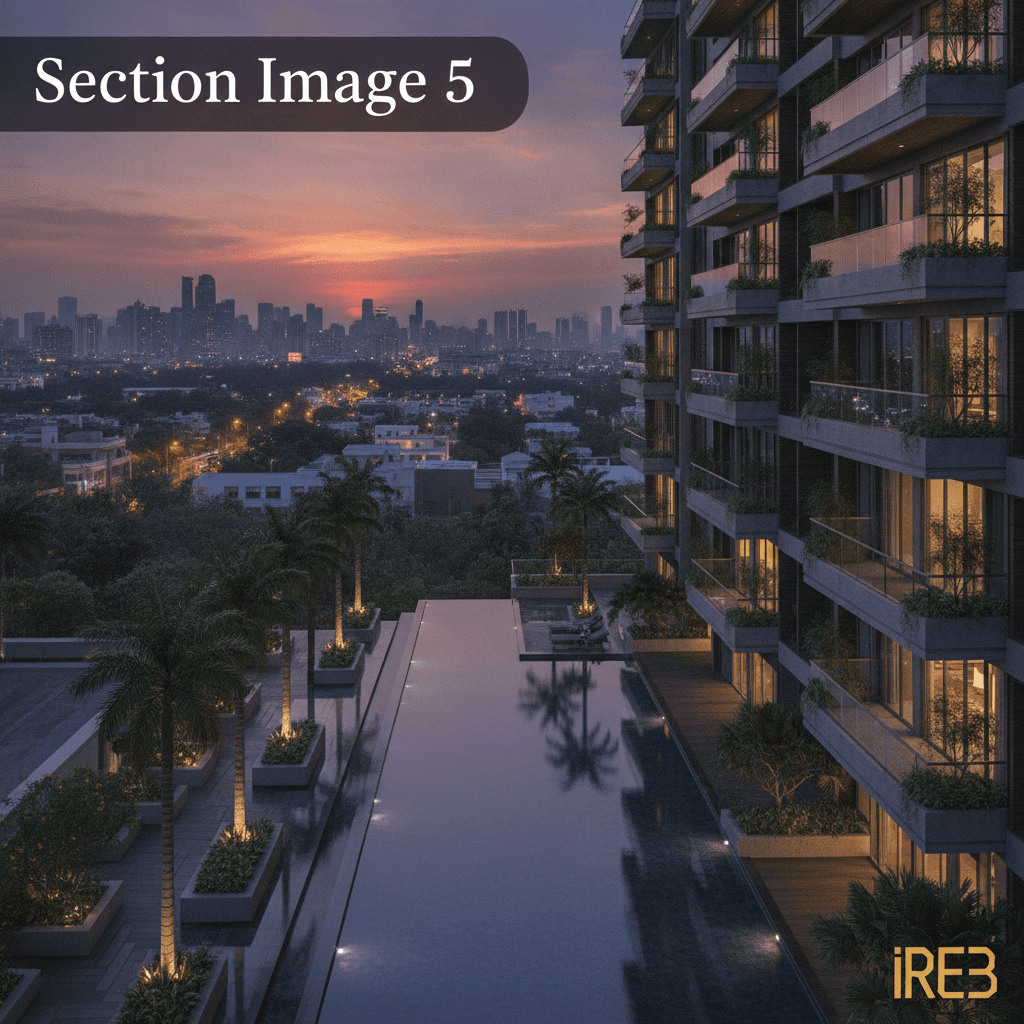
It's tempting to judge a neighbourhood by its apartment brochure, but the smarter approach is figuring out school admission zones first and then working backward. In cities like Bengaluru, ten kilometres can quietly translate into fifty minutes during peak hours, and that gap adds up to hundreds of lost family hours over a year. Parents who skip this step often end up loving their flat and dreading the school run.
Every parent knows that a child who has somewhere to run around tends to be a calmer child at home too. Neighbourhoods near parks and gardens consistently see stronger long term demand precisely because families notice this pattern and stay put once they find it. Family-friendly neighbourhoods with actual usable green space, not just a token garden in the brochure render, tend to hold their value better over time as well.
Nobody thinks about the nearest multi-speciality hospital until 2 AM on a night their child spikes a fever. Localities within easy reach of reliable healthcare, ideally within a five kilometre radius, remove a layer of anxiety that families living further out simply carry silently. It's rarely the deciding factor upfront, but it becomes one of the most appreciated ones after moving in.

Gurugram and Noida have followed roughly the same script as Bengaluru's newer belts, planned sectors, international schools, and large gated townships clustering together rather than scattering randomly. What's different here is scale, entire sectors get designed around this family template from the start rather than evolving into it organically the way older Mumbai suburbs did.
Buyers frequently shortlist the apartment before checking who their neighbours will actually be, or whether the building has a real community feel versus just shared walls. A family-friendly neighbourhood isn't only about infrastructure, it's also about whether people actually know each other, celebrate festivals together, and look out for each other's kids occasionally. That's harder to measure on a floor plan, but it shows up fast once you've lived there a few months.
Picking the right family-friendly neighbourhoods in tier-1 cities comes down to more than square footage or a shiny amenity list. Schools, healthcare access, green spaces, and genuine commute time all shape daily life far more than most buyers expect going in. Whether it's Whitefield in Bengaluru, Chembur in Mumbai, or the planned sectors of Gurugram, the smartest families are the ones who research the neighbourhood as carefully as they research the home itself.


Find Detailed Answers to Frequently Asked Questions to Help You Make Smart and Confident Real Estate Decisions
Key factors include proximity to good schools, accessible healthcare facilities, availability of green spaces like parks, and manageable commute times. The sense of community also plays a vital role.
Tier-1 cities often prioritize job growth, leading to infrastructure that may not be inherently designed for family life. This results in a disparity between centrally located areas and those that genuinely cater to families.
Bengaluru recommendations include Whitefield, HSR Layout, and Jayanagar. Mumbai suggests Borivali, Chembur, Powai, and Thane West. Gurugram and Noida are highlighted for Delhi NCR, featuring planned sectors and townships.
Green spaces are crucial for children's well-being and contribute to a calmer home environment. Neighbourhoods with accessible parks and gardens tend to have stronger long-term demand and hold their value.
A strong sense of community is vital. This includes neighbours knowing each other, celebrating together, and looking out for each other's children, fostering a supportive environment.