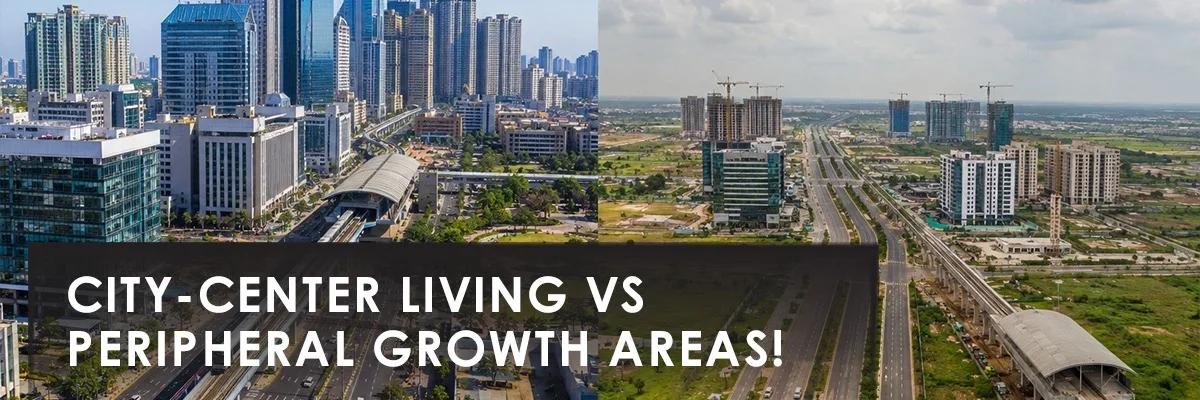
Every home search in a big Indian city eventually reaches the same fork in the road. Stay close to work and squeeze into a smaller flat, or move a little farther out and get real breathing room. It's not a new dilemma, but the numbers behind it have shifted quite a bit lately.
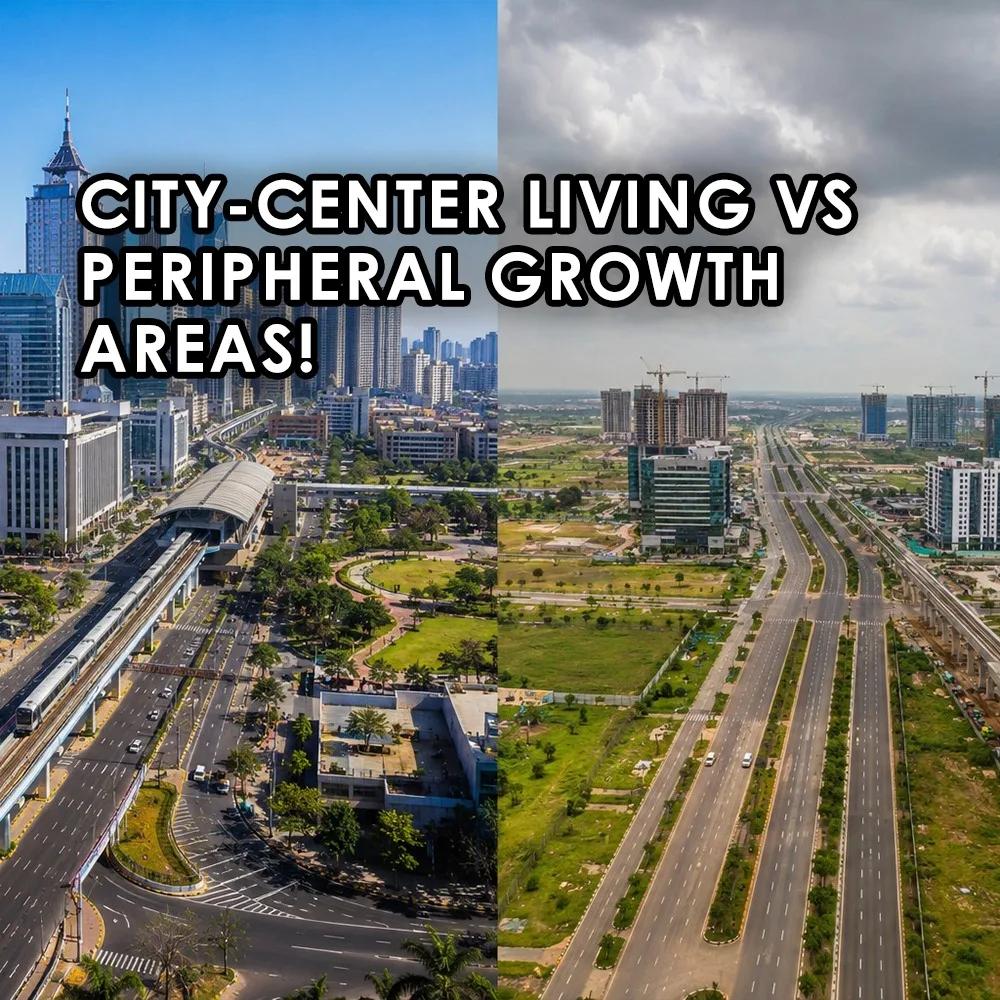
Choosing between city-center living and peripheral growth areas ultimately comes down to space, budget, and how much infrastructure has actually reached the outskirts. Central locations still deliver stronger liquidity and faster access, while peripheral zones increasingly offer larger homes and, in several cases, sharper capital appreciation. As connectivity projects mature, the gap between the two keeps narrowing, making location choice less about compromise and more about matching the right area to your specific timeline.
For years, the logic was simple: live near the office even if it costs more, because commuting eats into your life either way. That thinking hasn't disappeared, but it's competing against a generation of buyers who've realised how much extra space their money buys just a short distance further out.
Locations like Thane, Raigad, Palghar and stretches of Noida are pulling in buyers who want more than a compact two bedroom flat. Moving away from the core often means the difference between staying in a cramped 2 BHK or comfortably affording a 3 BHK, without stretching the budget into uncomfortable territory.
India's housing market has been quietly premiumising, with newly launched three bedroom units in several cities now averaging well over two crore rupees. Central locations simply can't offer that kind of space at a reasonable price anymore, so buyers chasing bigger homes are naturally being pushed outward, whether they planned it that way or not.
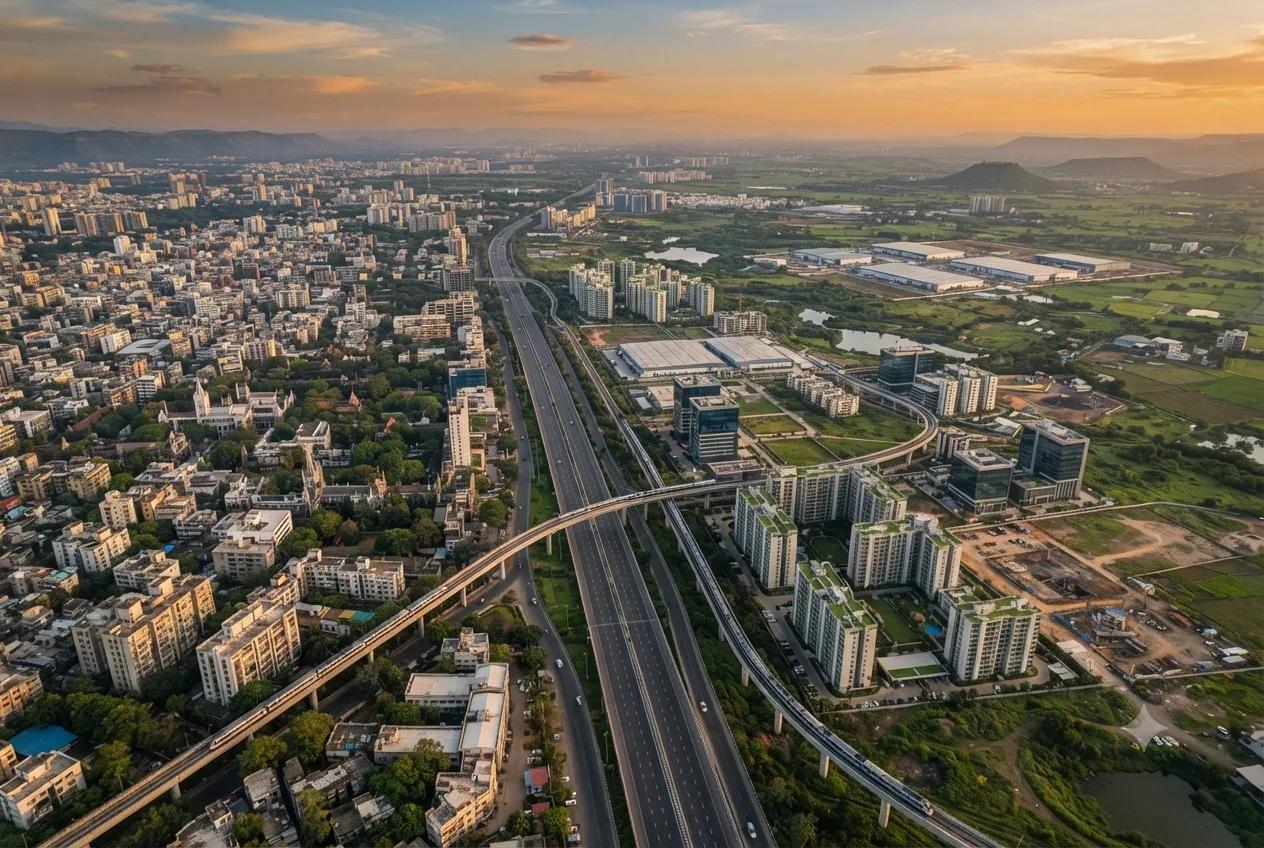
Here's something that might surprise buyers fixated purely on rental income. In several key corridors, capital values have grown noticeably faster than rents over the past three years. Sohna Road in NCR saw property values climb by close to sixty percent, well ahead of rental growth in the same stretch. Chembur and Mulund in Mumbai showed a similar pattern, capital appreciation outpacing what landlords could actually charge tenants.
None of this means central locations have lost their appeal. Cities like Bengaluru, Hyderabad and parts of NCR continue posting double digit appreciation in premium, well supplied pockets close to established business hubs. For buyers prioritising resale liquidity or short commutes, the center still delivers something peripheral areas genuinely struggle to match.
Whether a peripheral area actually turns into a good long term bet depends almost entirely on infrastructure follow through. Hyderabad's Regional Ring Road and similar connectivity projects elsewhere are steadily narrowing the practical gap between outskirts and center. Without that kind of investment though, a cheap peripheral flat can just stay cheap and inconvenient for a very long time.
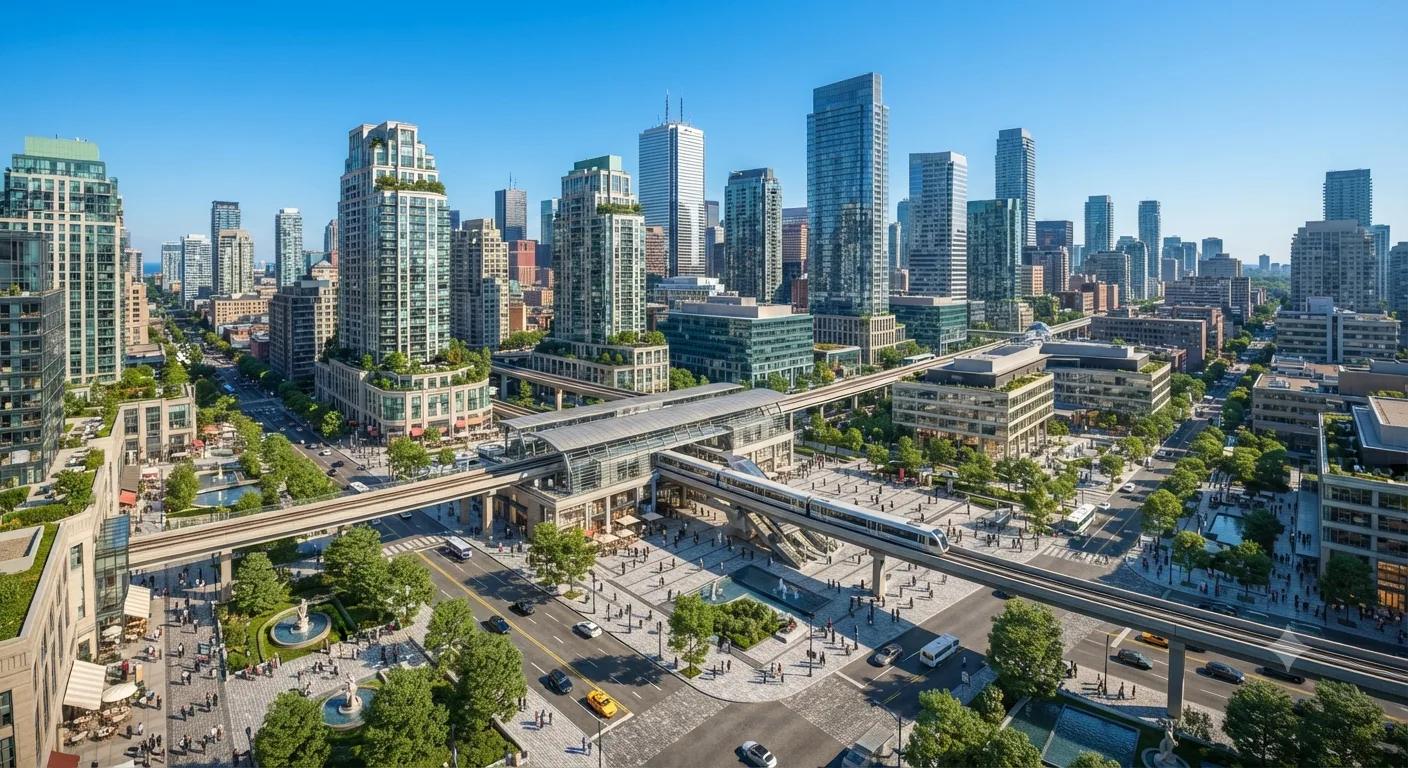
It's worth noting that rising prices are pushing a larger share of urban residents into extended renting rather than buying immediately. Renters tend to prioritise proximity and convenience, while owners increasingly accept a longer commute in exchange for space and a lower entry price. That's quietly splitting demand into two very different decision patterns across most major cities.
Rather than picking a side based on habit, it helps to map out actual commute time, upcoming infrastructure in the area, and how many years you plan to stay put. A five year horizon favours the center, a longer one often favours the periphery, provided the infrastructure story holds up.
Choosing between city-center living and peripheral growth areas ultimately comes down to space, budget and how much infrastructure has actually reached the outskirts. Central locations still deliver stronger liquidity and faster access, while peripheral zones increasingly offer larger homes and, in several cases, sharper capital appreciation. As connectivity projects mature, the gap between the two keeps narrowing, making location choice less about compromise and more about matching the right area to your specific timeline.


Find Detailed Answers to Frequently Asked Questions to Help You Make Smart and Confident Real Estate Decisions
The main dilemma is choosing between living close to work for convenience but in a smaller space, or moving further out for more space and a potentially better financial deal.
Peripheral areas are financially attractive because they offer significantly more space, like a 3 BHK instead of a 2 BHK, for the same budget, and in some cases, show faster capital appreciation than rents.
The housing market has seen 'premiumisation,' with new three-bedroom units in central locations exceeding two crore rupees, pushing buyers towards peripheries for more affordable space.
Infrastructure development, such as new roads and connectivity projects, is crucial for peripheral areas. It narrows the practical gap with city centers and determines their long-term investment potential.
No, renters often prioritize proximity and convenience, while owners are increasingly accepting longer commutes in exchange for more space and lower entry prices in peripheral areas.
Key factors include actual commute time, upcoming infrastructure in the area, and the planned duration of stay. A shorter horizon favors the center, while a longer one may favor the periphery if infrastructure is strong.