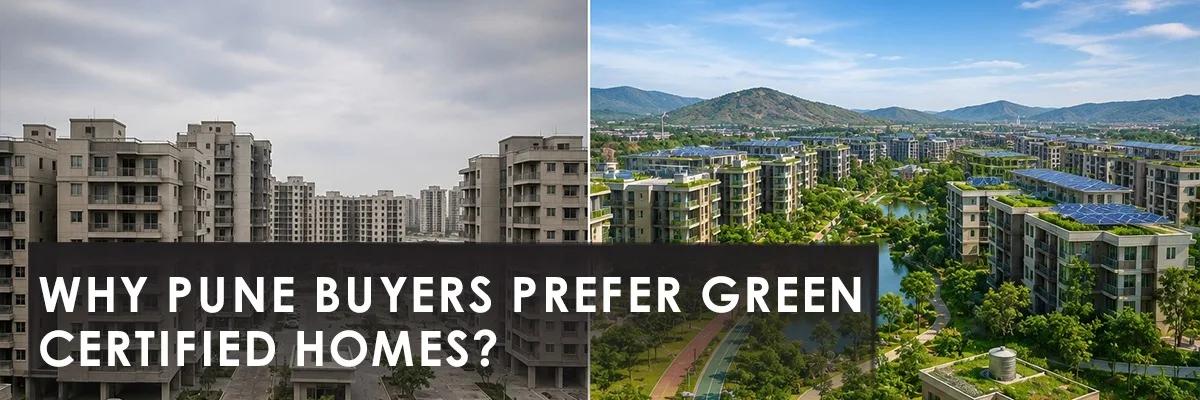
Walk into a Pune site office today and the first question buyers ask often has nothing to do with the clubhouse or the swimming pool. It's about certification, IGBC or GRIHA, and whether the building actually backs up its "eco-friendly" label with something verifiable. That shift alone says a lot about how this city's homebuyers have changed.
Sustainability has shifted from a marketing checkbox to a baseline expectation in Pune's housing market, driven by lower utility bills, stronger resale value, and health benefits.
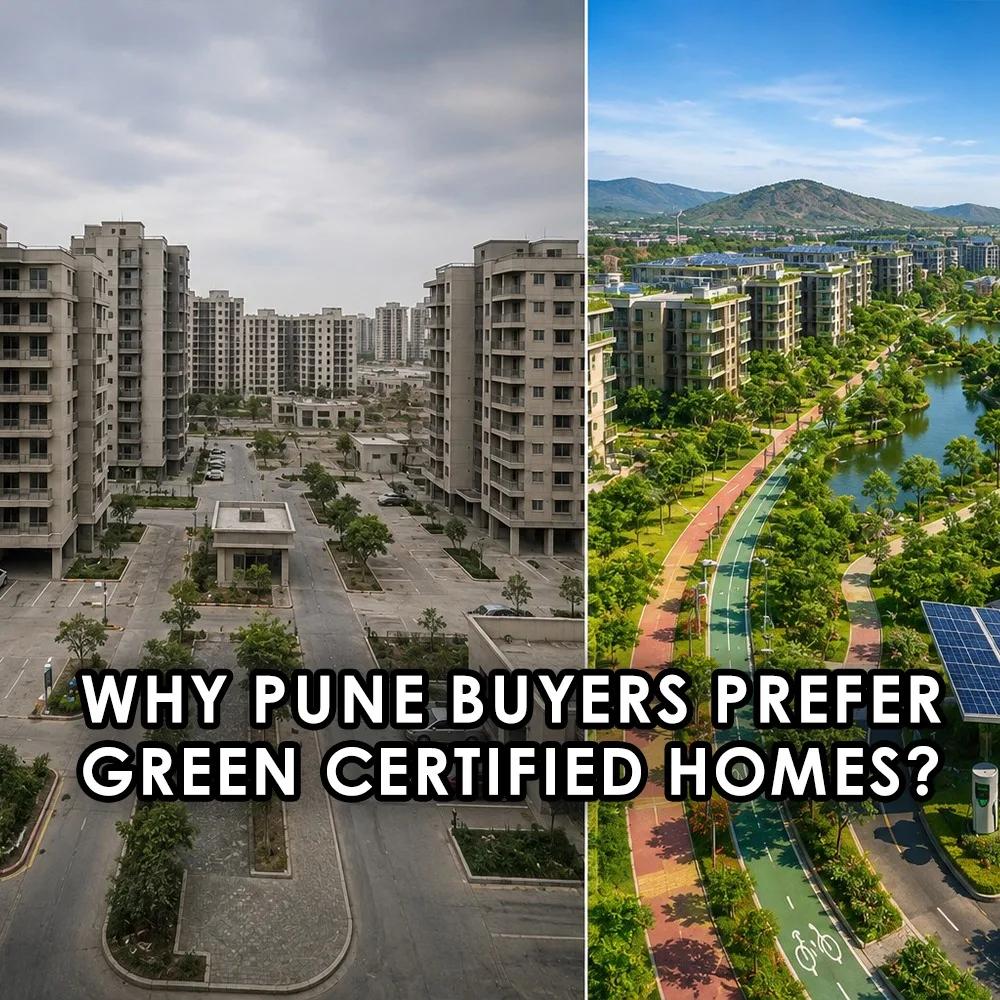
A few years ago, rainwater harvesting and solar provisions were the kind of thing developers mentioned as an afterthought in the brochure. Today they've moved from nice-to-have to nearly non-negotiable, alongside EV charging points and credible sustainability credentials that buyers actually verify before signing anything. Green certified homes in Pune aren't a niche segment anymore, they're becoming the expected standard across mid-premium and premium projects alike.
Buyers aren't just choosing green homes out of environmental conscience, though that plays a part too. Certified buildings tend to cut monthly utility costs meaningfully through better insulation, efficient appliances, and water saving fixtures, and that operational saving compounds significantly over a decade of ownership. It's a slow burn benefit, but one that adds up to real money by the time a family's mortgage matures.
Here's something that surprises first time buyers, certified green properties often command a noticeably higher resale value compared to conventional buildings, and they tend to sell faster too. In a city like Pune where inventory keeps climbing, that liquidity edge matters more than most buyers initially realise. Nobody wants to be stuck holding a flat that takes eighteen months to find a buyer.

The scale here isn't small anymore. Over nineteen thousand projects are now registered under IGBC rating systems nationally, covering a green building footprint that runs past fifteen billion square feet, with more than eight thousand fully certified and operational. Pune specifically has positioned itself as one of the country's leading cities on this front, hosting dedicated summits and conclaves that bring developers and policymakers into the same room.
Several state level policies now reward IGBC rated projects with additional floor area ratio allowances, faster regulatory clearances, and property tax rebates in select jurisdictions including Pune itself. Some housing finance companies have also started factoring green certification into loan evaluations, occasionally offering marginal interest rate concessions on certified projects. None of these incentives alone would drive buyer behaviour, but stacked together they nudge the decision meaningfully.
Ask a young family why they picked a certified project over a cheaper alternative nearby and health often comes up before finances do. Better ventilation, reduced indoor pollutants, and cleaner air circulation genuinely matter to parents raising kids in a city where air quality has become a recurring conversation. It's a softer factor, but one that's increasingly shaping final decisions at the negotiation table.
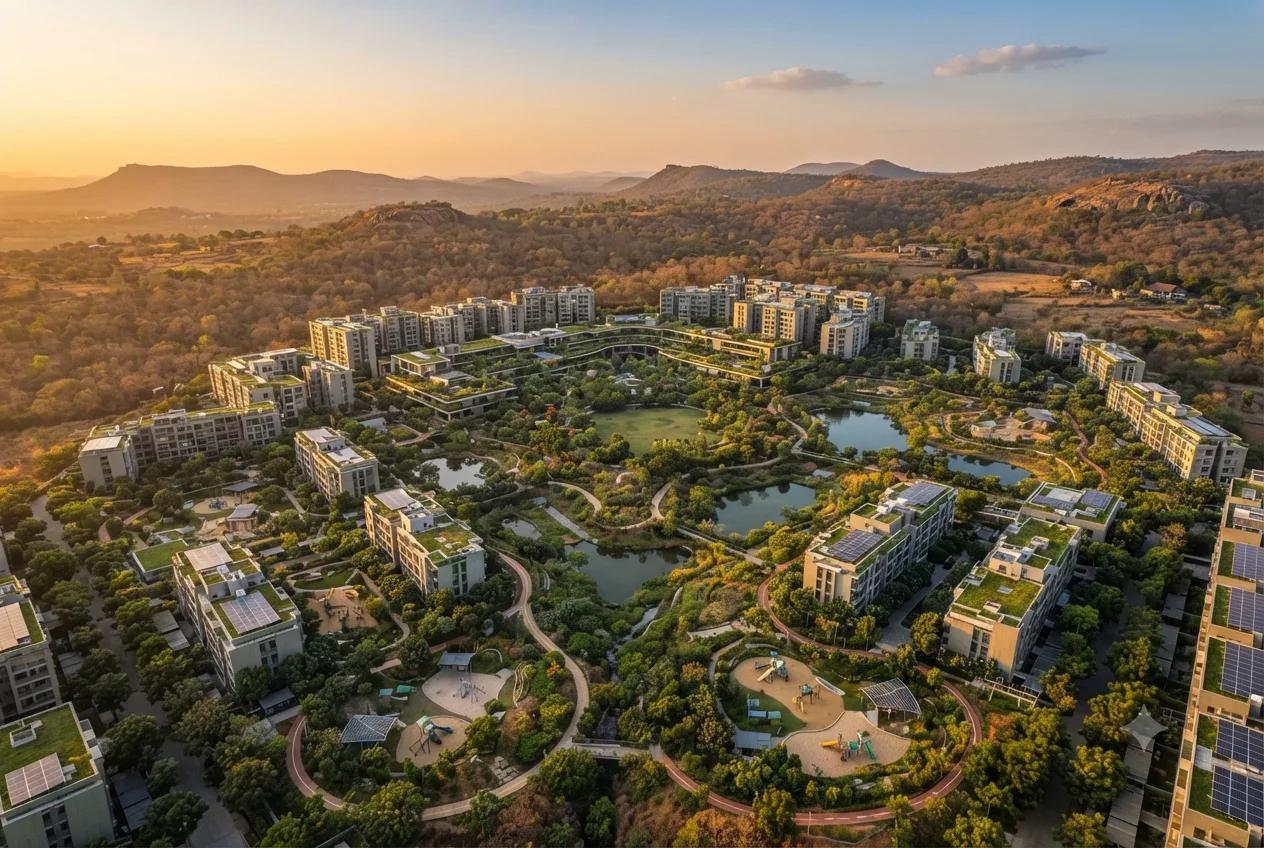
Buyers have also grown sharper about spotting the difference between genuine certification and marketing language borrowed loosely from sustainability buzzwords. A project claiming to be green without third party verification through IGBC's own registration portal should raise questions rather than reassurance. That independent audit process is precisely what separates an actually certified home from one simply using the right vocabulary in its sales pitch.
Corridors along Pune's IT hubs and newer planned townships are emerging as genuine hotspots for this kind of development, often bundling solar infrastructure and rainwater systems as standard rather than optional add ons. As more developers chase this demand, expect certification to stop being a differentiator entirely and simply become the price of entry into Pune's competitive housing market.
Pune's homebuyers are increasingly choosing green certified homes for reasons that go well beyond environmental goodwill, lower utility bills, stronger resale value, and genuine health benefits all factor into the decision now. With IGBC certification bringing government incentives and verified accountability into the mix, sustainability has shifted from a marketing checkbox to a baseline expectation. This shift is quietly reshaping how developers plan projects across the city's fastest growing corridors.


Find Detailed Answers to Frequently Asked Questions to Help You Make Smart and Confident Real Estate Decisions
Buyers are shifting from focusing on amenities to verifiable eco-friendly features, indicating a demand for sustainable and certified homes.
These homes offer lower monthly utility bills through better insulation, efficient appliances, and water-saving fixtures, leading to significant long-term savings.
Certified green properties generally command higher resale values and sell faster than conventional buildings, offering better liquidity.
State policies offer benefits like increased floor area ratio, faster clearances, and property tax rebates, alongside potential housing finance concessions.
Better ventilation, reduced indoor pollutants, and improved air circulation are crucial for families concerned about health, especially for children.
Genuine certification is backed by third-party verification through platforms like IGBC's registration portal, distinguishing it from mere marketing buzzwords.
Certification is expected to become a standard requirement rather than a differentiator in Pune's competitive housing market, especially in developing corridors.