Every city eventually runs out of empty land, and that single fact quietly reshapes how real estate gets built. Mumbai figured this out years before most other Indian cities, which is why redevelopment and greenfield development now sit side by side as two very different paths to the same goal, more housing.
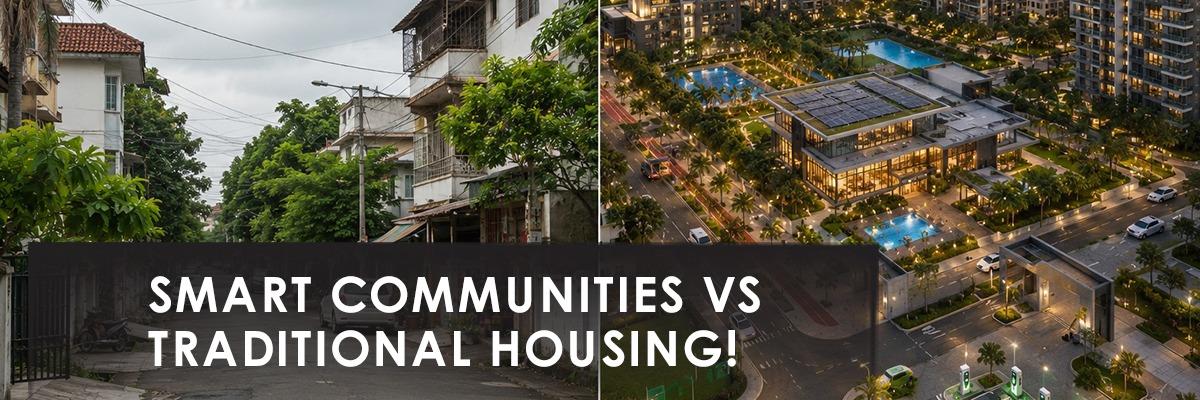
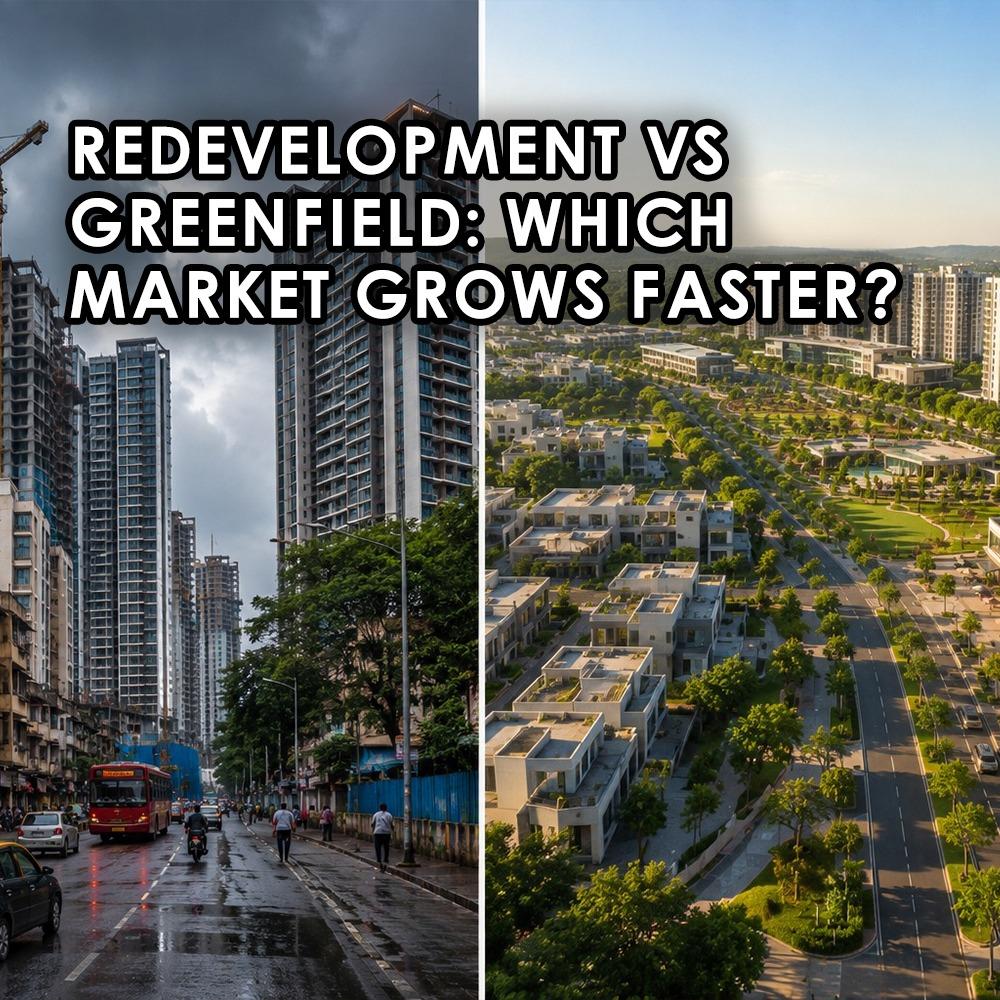
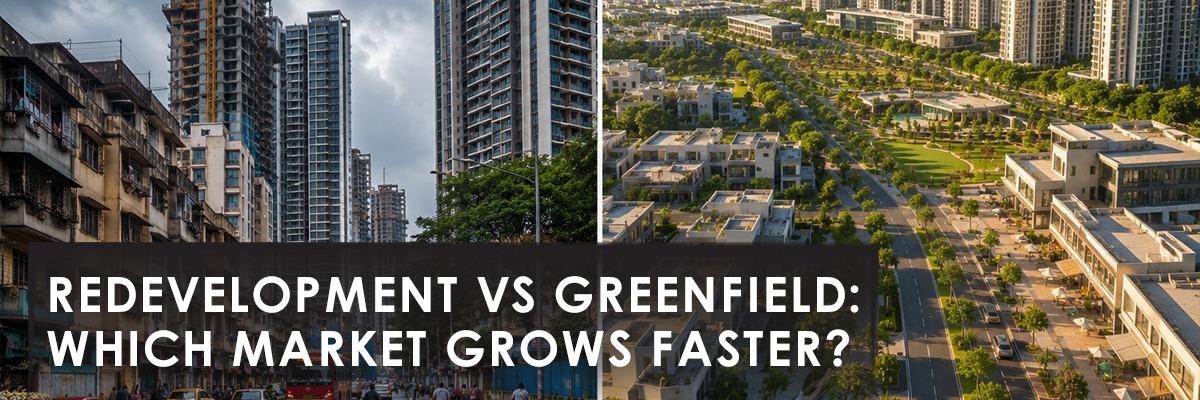
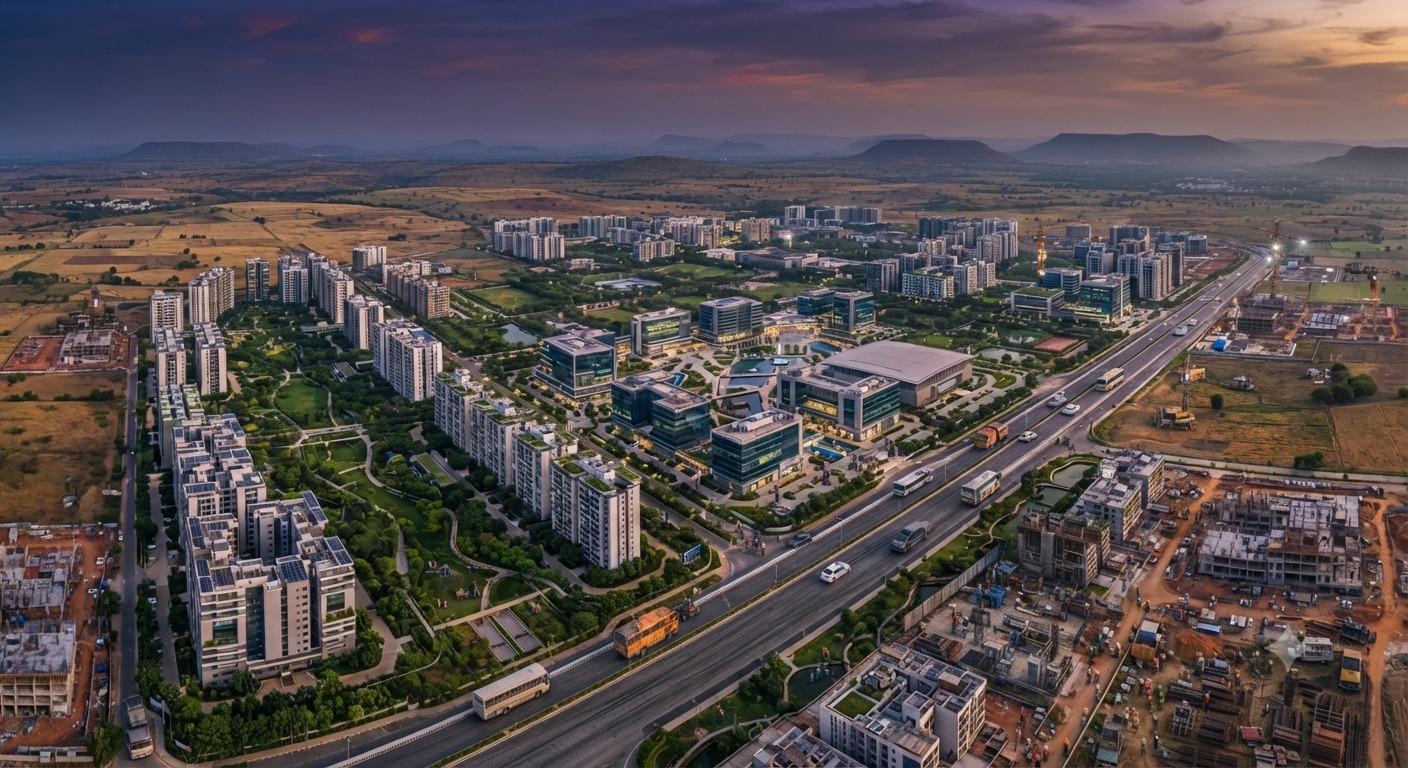
Greenfield development means building on land that's never been built on before, open plots on a city's edge, mostly untouched by prior construction. Redevelopment, on the other hand, means tearing down something old, often a cluster of ageing buildings or even a slum, and putting up something new in its place. One starts with a blank canvas, the other starts with negotiation, demolition, and a fair bit of patience.
In a greenfield market, land is usually cheaper per square foot simply because it's further from the city core. Developers buy in bulk, plan townships from scratch, and price units competitively because their input costs stay manageable. Redevelopment flips this entirely. Land within city limits is scarce and expensive, so developers pay a premium just to access a location that already has established infrastructure around it.
Anyone who has followed a redevelopment project up close knows the timeline rarely matches the pitch. Getting existing residents to agree to a rehabilitation plan, securing regulatory approvals, and managing construction around occupied or semi-occupied land all take time that a greenfield project simply doesn't face. A vacant plot doesn't have three hundred families who each want a say in how their new building looks.
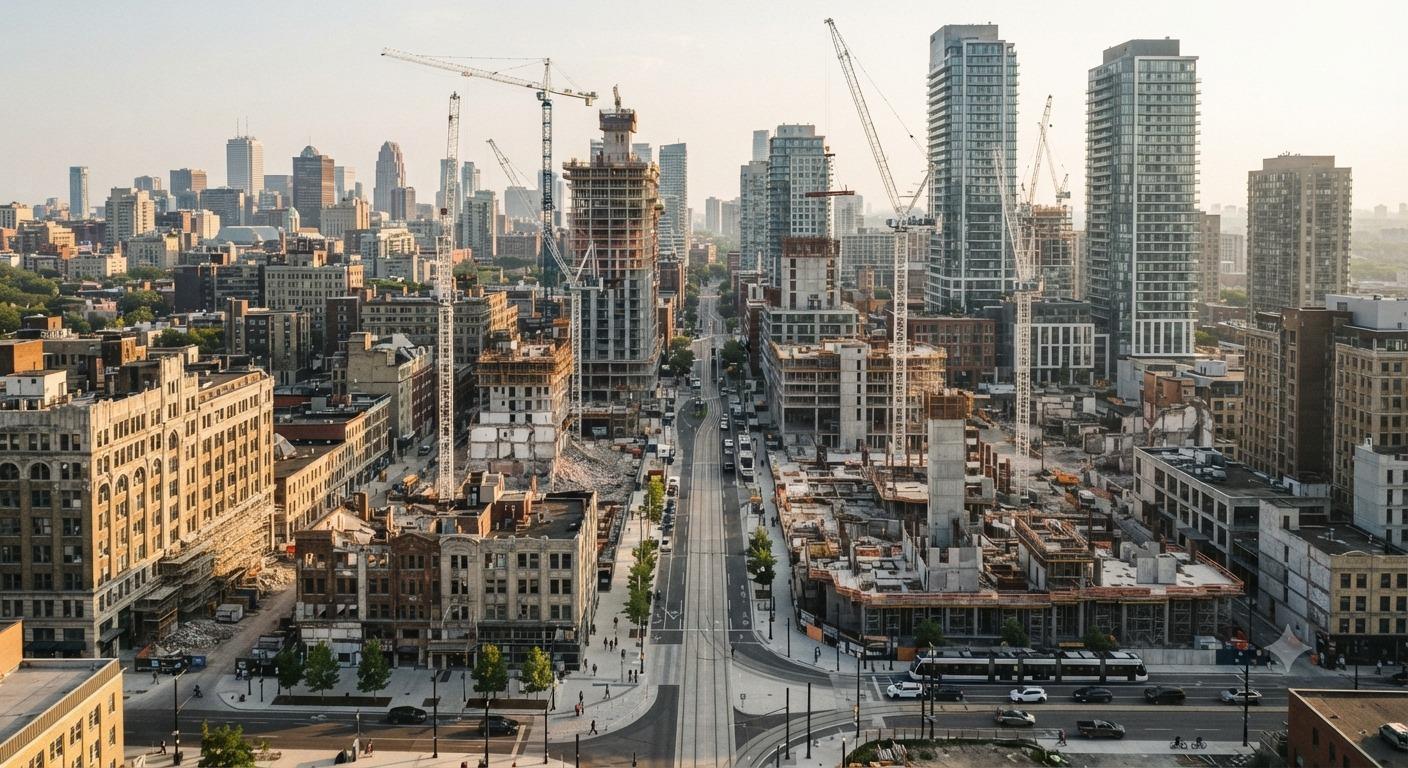
Despite the friction, redevelopment carries a genuine advantage, location. Buyers get access to established neighbourhoods with existing schools, hospitals, markets, and transport links already in place, none of which needs to be built from scratch. That's a powerful selling point for anyone who values proximity over pure space, and it explains why redevelopment projects in central Mumbai command such steep prices despite smaller unit sizes.
Space is where greenfield genuinely wins. Larger plot sizes allow for wider roads, dedicated green belts, and amenities that simply can't be squeezed into a redevelopment footprint hemmed in by existing structures. Families wanting bigger homes, private gardens, or integrated townships with schools built inside the project itself tend to gravitate toward greenfield corridors on a city's outer edges.
Redevelopment carries its own set of risks, delayed possession being the most common complaint, along with disputes among existing residents that can stall a project for years. Greenfield projects face a different kind of uncertainty, mainly around how fast the surrounding infrastructure, roads, water supply, connectivity, actually catches up to the pace of construction. Buying early in a greenfield corridor can mean waiting years before the area feels genuinely liveable.
For someone prioritising rental yield or quick appeal, redevelopment properties in established neighbourhoods often perform better simply because tenants already want to live there. Greenfield investments, meanwhile, tend to reward patience, since appreciation usually follows infrastructure development that can take five to ten years to fully materialise. Neither path is inherently safer, they just reward different kinds of patience.
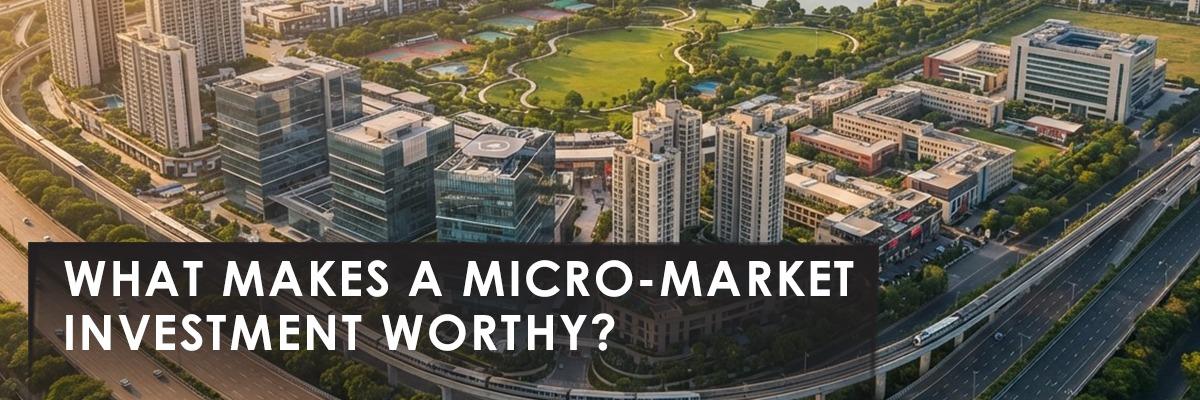
Increasingly, some of the more interesting projects blur this line altogether, large scale redevelopment schemes designed with the scale and planning discipline of a greenfield township. Big cluster redevelopment projects being planned across Mumbai's suburbs are starting to look a lot like mini townships once complete, borrowing the best of both approaches rather than picking strictly one side.
Redevelopment markets and greenfield markets ultimately serve different kinds of buyers and different investment timelines. Redevelopment offers established locations and infrastructure at a cost of longer approval timelines and higher land prices, while greenfield markets trade proximity for space, scale, and long term appreciation potential. Understanding which trade-off suits your goals, whether that's steady rental income or patient capital growth, matters far more than assuming one model is universally better than the other.


Find Detailed Answers to Frequently Asked Questions to Help You Make Smart and Confident Real Estate Decisions
Greenfield development occurs on untouched land, often on city outskirts, offering a blank canvas. Redevelopment involves demolishing existing older structures within established areas to build new ones.
Redevelopment offers prime locations with existing infrastructure but typically involves higher land costs, longer timelines due to approvals and resident negotiations, and risks like delayed possession.
Greenfield projects offer more space, cheaper land, and scope for large-scale townships, but they require patience as appreciation often depends on future infrastructure development, and surrounding areas may lack immediate amenities.
Redevelopment properties in established areas often yield better rental income. Greenfield investments, conversely, typically reward patient investors with long-term capital appreciation as infrastructure develops.