
Features That Define Future-Ready Homes
Summary
Future-ready homes integrate thoughtful ventilation, energy efficiency, smart automation, and sustainable water/waste systems from the design stage. These essential features, alongside flexible spaces and robust security, define modern comfort, health, and significantly boost property resale value.

Introduction
Buyers used to walk into a flat and check the tiles, the view, maybe the kitchen platform. That checklist has quietly expanded. Ask any broker in Pune or Bengaluru what today's buyer asks about first, and air quality, automation and energy bills come up almost before the layout does.
It Starts With How the Home Breathes
A future ready home isn't sealed shut for the sake of looking premium. Cross ventilation, natural light reaching deep into rooms, and thoughtful window placement matter more than most brochures let on. Buyers are increasingly asking whether a flat catches breeze from two directions, not just one, because that single design choice affects comfort every single day of the year.
Automation That Doesn't Feel Like a Gadget
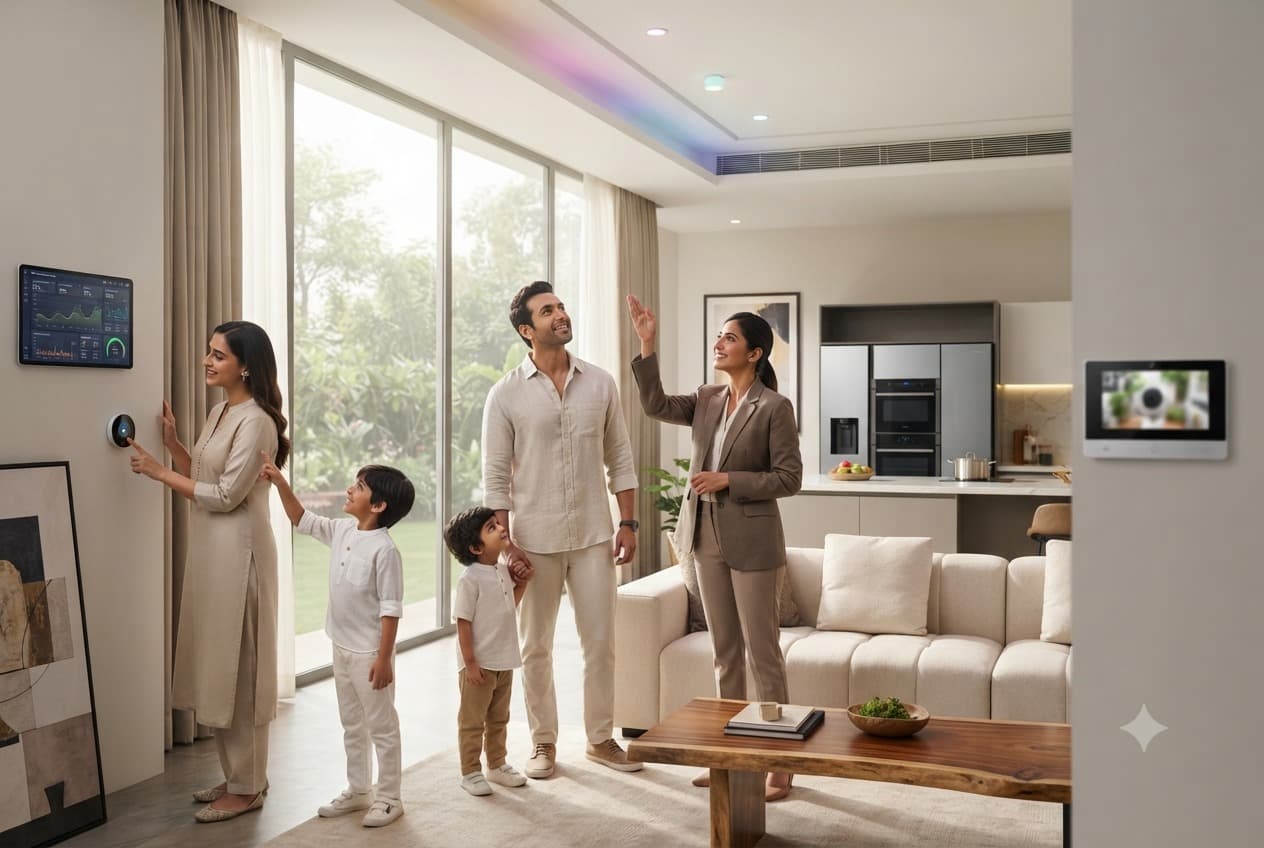
Smart home features have moved past the novelty phase. Automated lighting, app based security and voice enabled controls are now getting built in from the design stage itself, rather than bolted on afterward like an accessory. And that shift matters, because automation planned early tends to look cleaner, run quieter, and actually get used rather than abandoned after the first month.
Energy Efficiency Is No Longer Optional
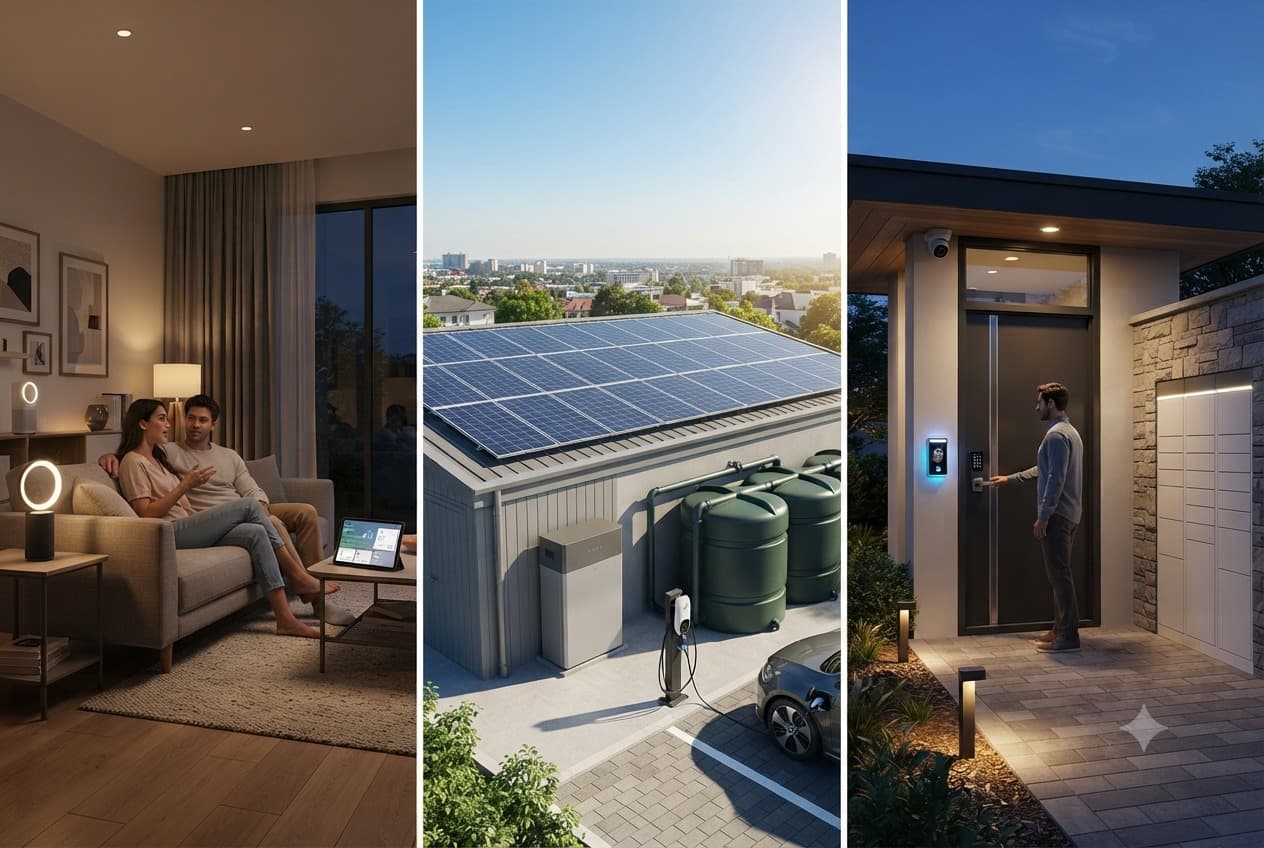
Rising electricity bills have made energy conscious design a genuine selling point rather than a nice to have. Homes with solar readiness, efficient insulation and smart thermostats that learn a household's routine are increasingly outperforming plain vanilla units in both demand and resale conversations. What used to be a luxury add on for penthouses is quietly becoming standard even in mid range projects.
Water and Waste Systems Buyers Now Ask About
Rainwater harvesting, greywater recycling and proper waste segregation setups rarely made it into a buyer's questions five years back. Today they do, especially among buyers who've lived through a water shortage summer or two. It's a practical concern dressed up as a sustainability one, and honestly, both reasons are valid.
Security That Works Quietly in the Background
Nobody wants a home that feels like a surveillance centre, but nobody wants weak security either. The sweet spot developers are chasing now involves integrated access controls, app based visitor management and sensors that work without residents having to think about them constantly. Good security, done right, should be something you barely notice.
Materials and Construction Quality Buyers Overlook
Indoor air quality ties directly into what materials go into a home. Low VOC paints, better insulation and proper humidity control reduce long term maintenance headaches far more than most buyers realise at the point of purchase. A home built with cheaper materials might look identical on day one, the difference shows up three years later in repair bills.
Flexible Spaces for a Life That Keeps Changing
Work from home changed how people use their flats permanently, not temporarily as some assumed. Rooms that can flex between a home office, a guest space and a child's study corner are winning over rigid, single purpose layouts. Buyers want spaces that adapt to them, rather than forcing their routines to bend around a fixed floor plan.
Why Resale Value Depends on All This
Here's the part sellers often underestimate. Homes carrying these features tend to move faster in the resale market and command better prices, simply because the next buyer is asking the same questions the current one did. A future ready tag isn't marketing fluff anymore, it genuinely shows up in how quickly a property sells.
Summary
A truly future-ready home blends thoughtful ventilation, energy efficient design, dependable water systems and unobtrusive security into one package, rather than treating any single feature as a standalone upgrade. Smart home automation and strong indoor air quality now influence buyer decisions as much as location once did. For anyone investing in property today, these features aren't optional extras, they're quickly becoming the baseline every serious buyer expects.