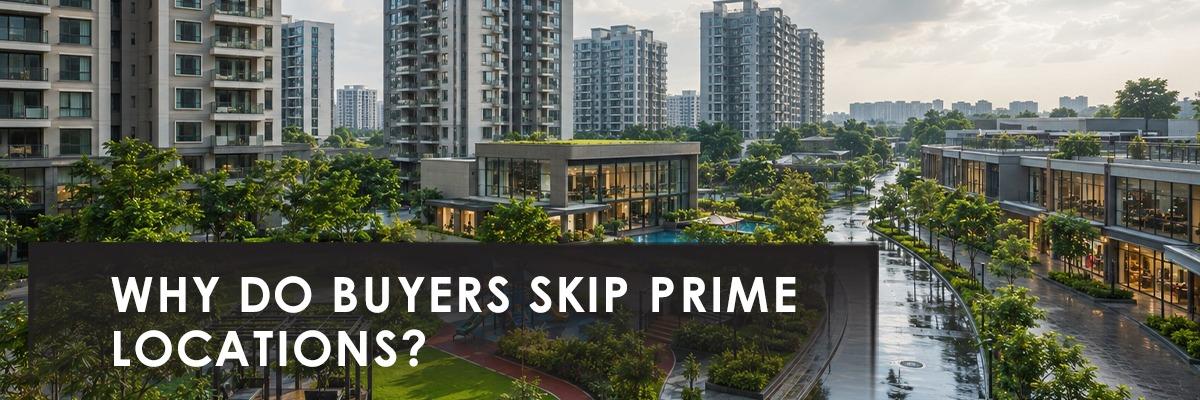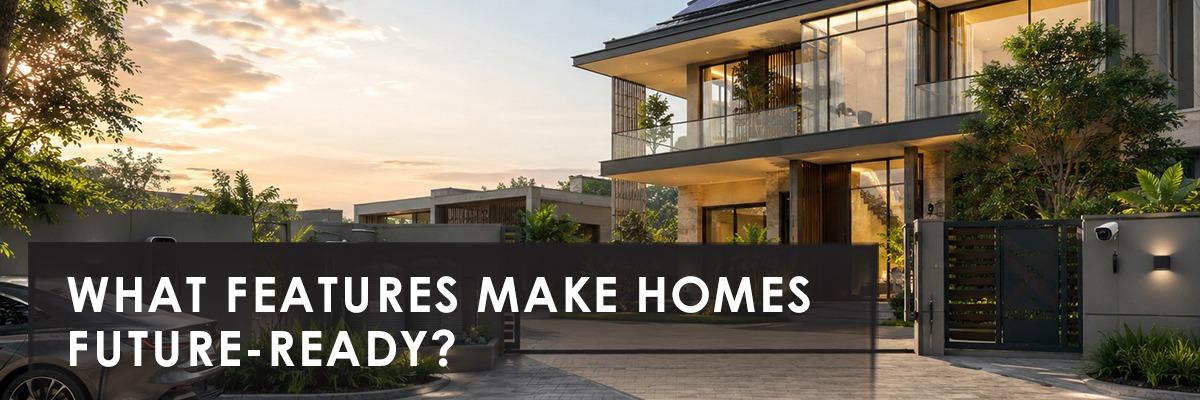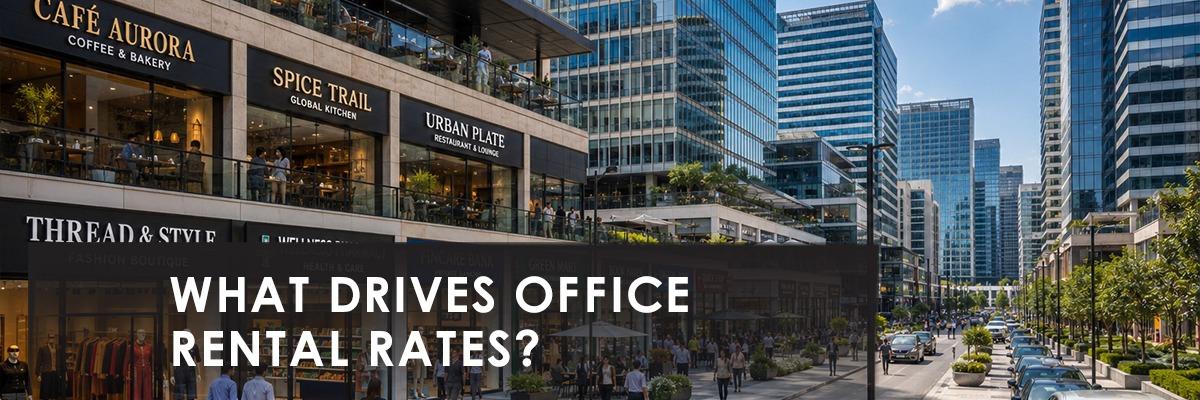

Two incomes, one lease decision, and suddenly every weekend turns into a debate about which locality actually makes sense. Young couples shopping for their first home together aren't hunting for the same things a joint family would. The checklist looks different, and honestly, so does the budget conversation happening quietly in the car after every site visit.
Forget the sprawling four bedroom dream for a second. Most couples in their late twenties or early thirties care far more about commute time than square footage. A shorter ride to work means more hours for actual living, and that trade off keeps winning over an extra bedroom nobody's ready to fill yet.
Here's something couples learn the hard way after month one. A flat that looks stunning in photos loses its charm fast if it takes ninety minutes each way to reach office. Residential zones near metro corridors or arterial roads tend to hold their appeal precisely because they save something no renovation ever can, time.
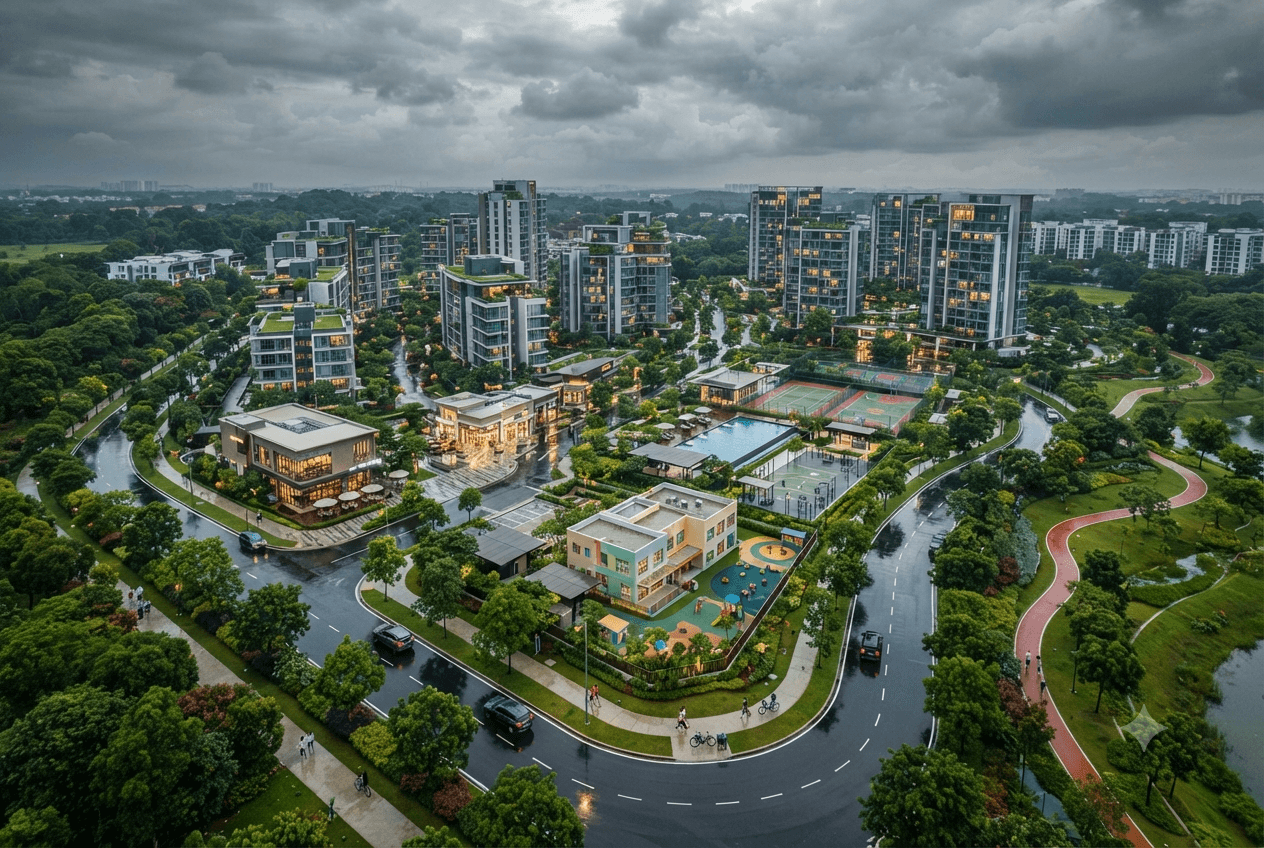
Take Pune as an example. Areas like Wakad and Baner have become magnets for younger buyers, sitting close enough to the Hinjewadi IT belt while staying reasonably priced compared to the city's premium pockets. Couples working in tech there don't want to spend their evenings stuck on the expressway, and these localities solve exactly that problem.
Bangalore tells a similar tale along Sarjapur Road, where new cafes and tech parks seem to appear every few months. It's not the finished, polished neighbourhood some buyers imagine, there's still construction dust and traffic snarls in patches. But couples betting on where the city is headed, rather than where it already stands, keep choosing it anyway.
Gachibowli and the surrounding HITEC City stretch pull a similar crowd in Hyderabad. Rents here sit a notch above older parts of the city, sure, but the payoff is a genuinely walkable distance to office towers, which matters more to a couple juggling two jobs than an extra kilometre of green space would.
Up north, Mayur Vihar keeps showing up on shortlists for a reason that has nothing to do with glamour. It sits close to the Noida border, connects well by metro, and costs meaningfully less than South Delhi's polished addresses. Young couples priced out of Vasant Kunj or Saket often land here instead, and most don't regret it.

Nobody wants to admit it during the excited early search phase, but affordability quietly decides most of these choices in the end. A couple can love a locality's cafes and parks all they want, the EMI math still has veto power. That's precisely why the emerging, slightly rough around the edges suburbs beat the postcard perfect ones so often.
There's one thing brokers rarely mention. Couples in their twenties still want a social life, weekend brunches, a nearby gym, friends who live a short drive away. A locality that's affordable but isolated tends to feel lonelier than expected within a year, something worth weighing before signing anything.
For young couples, the right residential zones balance three things that rarely align perfectly, affordability, connectivity and social energy. Localities like Wakad in Pune, Sarjapur in Bangalore, Gachibowli in Hyderabad and Mayur Vihar in Delhi keep attracting this buyer group because they deliver reasonable commutes without draining every rupee of savings. Choosing where to live as a couple ultimately comes down to picking the locality that supports the life you're actually building together.


Find Detailed Answers to Frequently Asked Questions to Help You Make Smart and Confident Real Estate Decisions
Young couples prioritize factors like short commute times, affordability, and access to a vibrant social life, often valuing these over larger square footage or luxurious amenities.
Shorter commutes significantly improve quality of life, freeing up more hours for personal activities rather than being stuck in traffic. Proximity to metro corridors or arterial roads is highly valued for this reason.
The blog highlights areas like Wakad and Baner (Pune), Sarjapur Road (Bangalore), Gachibowli (Hyderabad), and Mayur Vihar (Delhi NCR) as preferred choices due to their balance of connectivity, affordability, and proximity to job hubs.
Affordability, particularly EMI math, often has the final say in property decisions. This frequently leads couples to choose emerging, reasonably priced suburbs over more established, expensive areas.
Couples should also consider the social aspect of a locality, including access to cafes, gyms, and friends. An affordable but isolated area can lead to loneliness, making social energy an important, often overlooked, factor.