
Which Indian Neighbourhoods Are Winning Over Young Homebuyers
Summary
Young Indian homebuyers are increasingly choosing peripheral corridors and Tier 2 cities like Navi Mumbai, Bengaluru, Ahmedabad, and Surat. Their decisions are driven by affordability, lifestyle amenities, robust connectivity, and a confident approach to EMIs, reshaping India's residential market.

Introduction
A 26 year old closing on a flat used to be rare enough that people brought it up at dinner parties. Now it's practically routine in cities across India. What changed isn't just income, it's where these buyers are choosing to plant themselves, and that map looks nothing like it did even five years ago.
The Age Number That Keeps Dropping
First time buyers in India mostly sit in the 28 to 38 bracket today, but that range is sliding lower every year. Young homebuyers are entering with EMIs already planned out before they've even finished house hunting. Ask a loan officer in any metro branch and they'll tell you the surprise isn't that people buy young anymore, it's how confidently they do it.
Suburbs Over City Centres, Every Time
Nobody wants to hear this, but the city centre dream is basically dead for most first time buyers. Peripheral corridors offer double the space for the same budget, and that math wins every single time for someone in their twenties. Navi Mumbai, Whitefield, and Gurugram's newer sectors keep pulling buyers who would have insisted on South Mumbai or Central Delhi a decade ago.
Bengaluru's IT Corridors Still Pull the Crowd
Bengaluru remains the city young professionals mention first when asked where they're buying, and the reasons haven't changed much. Steady tech salaries, a startup culture that rewards early risk taking, and neighbourhoods built around office parks make home buying India feel less intimidating there than almost anywhere else. Whitefield and the outer ring road belt keep absorbing demand faster than developers can build.

Ahmedabad and Surat Are Having a Moment
Ask someone in Mumbai why they'd consider Ahmedabad and you'll get a shrug followed by real numbers. Prices sit a fraction of what metros charge, yet job growth in textiles, diamonds, and manufacturing keeps drawing young professionals who don't want to wait fifteen years to own something. Surat tells a similar story, quietly becoming one of the more talked about Tier 2 city property markets among buyers under thirty.
Why Navi Mumbai and Thane Keep Winning
Thane used to be the fallback option for people priced out of Mumbai proper. Now it's often the first choice, not the backup plan. Metro connectivity finally reaching these belts turned what felt like a compromise into a genuine upgrade, and property buyers here talk about space and greenery the way Mumbai buyers once talked about proximity to work.
The EMI Mindset Changed Everything
Older generations treated a home loan like a burden to survive. Younger buyers increasingly treat it as a wealth building tool, something you lean into rather than dread. That mental shift, more than any single policy change, explains why housing market India data keeps showing younger and younger first time buyers year after year.
Community Living Matters More Than Square Footage
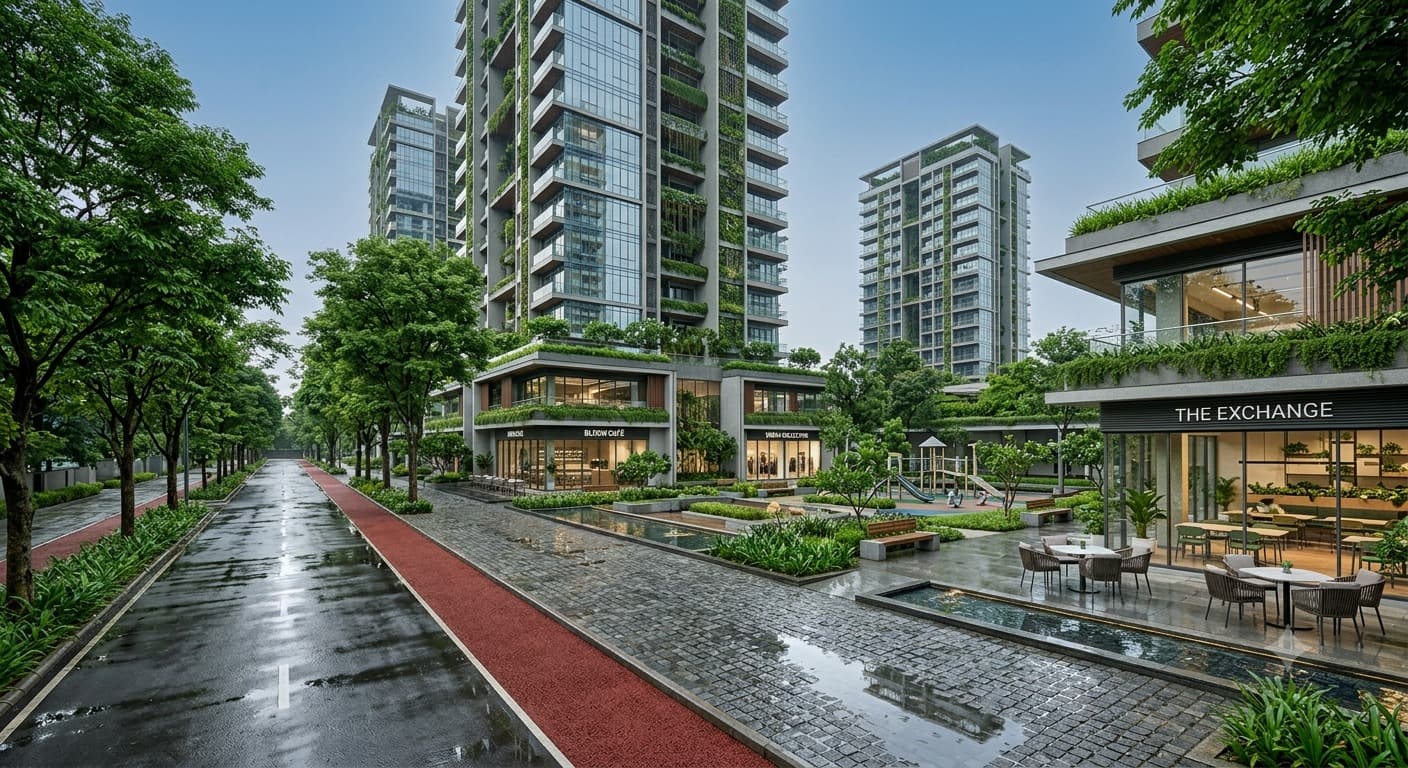
Ask a 27 year old buyer what sold them on a project and square footage rarely tops the list anymore. Green spaces, coworking lounges, gyms that don't feel like an afterthought, these details close deals now. Developers chasing Gen Z homebuyers have quietly rewritten their entire amenity checklist around this single shift in priorities.
What This Means for Developers Watching Closely
Millennials still dominate transaction volumes across most Indian cities, but Gen Z is catching up faster than anyone predicted a few years back. Projects built purely around unit count and price per square foot are starting to feel dated to this audience. The developers paying attention to millennial homebuyers India and their younger counterparts are the ones redesigning entire townships around lifestyle rather than just shelter.
Summary
The story of areas attracting young homebuyers in India is really a story about affordability meeting ambition. Suburban corridors in Mumbai, Bengaluru, and Gurugram continue pulling in confident first time home buyers India, while Ahmedabad, Surat, and other Tier 2 markets quietly build their own following among young buyers real estate India hunting for value. Community design, EMI comfort, and connectivity now matter just as much as location for this generation, and that shift looks set to keep reshaping India's residential map well into the next decade.