
Smart Communities vs Traditional Housing
Summary
Smart communities offer planned, tech-integrated living with superior infrastructure and amenities, attracting modern homebuyers despite a higher price. Traditional housing is more affordable but less predictable, with varied upkeep and amenities. The choice depends on individual priorities and budget.

Introduction
Ask a homebuyer today what they actually want and you'll rarely hear "a good flat" anymore. They want an app that opens the gate, a park that isn't a patch of dying grass, and a society that doesn't fight over the water tanker every summer. That shift is exactly why smart communities have started pulling buyers away from the traditional housing society model their parents grew up trusting.
What Actually Counts as a Smart Community
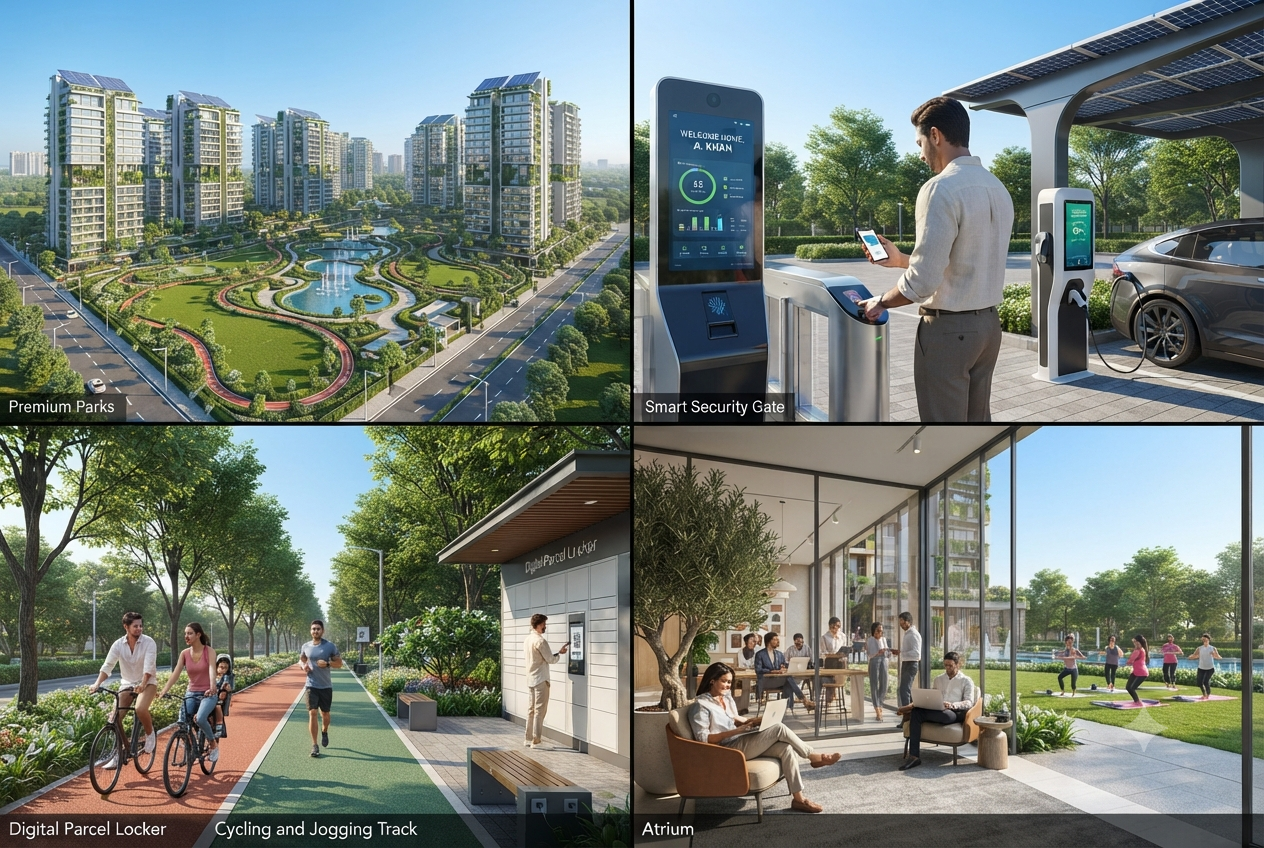
The term gets thrown around loosely, but a genuine smart community is really a planned ecosystem, not just a building with WiFi. Homes, schools, clinics, retail and green spaces are designed together from day one, so residents rarely need to leave the gate for daily needs. Demand for these integrated developments has risen by roughly a third over the past five years, with much of that growth concentrated in smaller, fast expanding cities.
The Traditional Housing Society Everyone Grew Up With
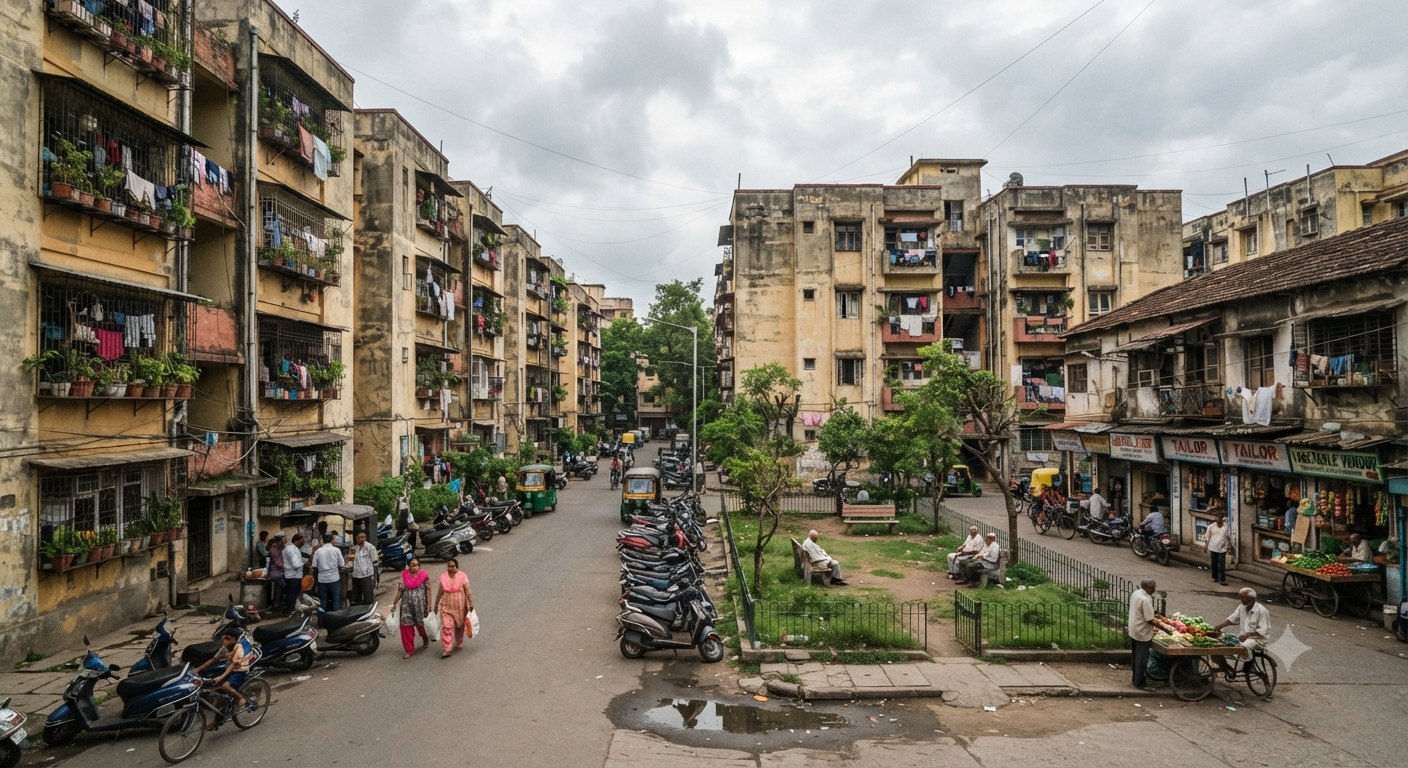
Traditional housing, on the other hand, usually came up one building at a time, wherever land was available. Roads got added after residents complained, drainage got fixed after the first flood, and amenities meant a small park if you were lucky. There's a certain charm to that organic, unplanned feel, honestly, but charm doesn't fix a waterlogged lane during monsoon.
Where Infrastructure Makes the Real Difference
This is where the gap widens fastest. Because a smart community is built as one master plan, roads are wider from the start, sewage systems are sized for future growth, and green spaces aren't an afterthought squeezed between two towers. Traditional societies, especially older ones, often carry infrastructure sized for a population the area outgrew years ago.
Technology Inside the Walls, Not Just the Brochure
Smart homes within these communities let residents control lighting, cooling and security straight from a phone, and honestly it's more useful than gimmicky once you've lived with it. Apps handle amenity bookings, maintenance requests and society bills without the endless WhatsApp group chaos traditional societies are famous for. Nobody misses those forwarded voice notes about the lift being stuck again.
Security and Safety Nobody Wants to Compromise On
Gated smart townships typically run layered security, boundary walls, CCTV networks and access controlled entries working together rather than a lone guard checking IDs at a gate. Traditional standalone buildings can absolutely match this, but it usually depends entirely on how organised that particular residents' association happens to be. Consistency is the real difference here, not capability.
The Price Tag Conversation
None of this comes free, and that's worth saying plainly. Smart townships generally sit at a premium compared to standalone apartments in the same general area, sometimes a noticeably steep one. Traditional housing remains the more accessible entry point for buyers stretching every rupee of their budget, which still matters for a huge chunk of India's homebuyers.
Resale and Rental Reality
Here's an interesting wrinkle though. Planned townships tend to hold rental demand and resale interest longer because tenants and buyers alike prefer predictable, well maintained surroundings over a building that's slowly falling apart around them. A standalone flat can still appreciate well, but it depends far more heavily on the specific building's upkeep than the community model does.
Who Should Actually Choose Which
If you value predictability, amenities and long term ease over an active flip or resale in five years, a township starts making a lot of sense. If budget is tight and location trumps everything else, a well chosen traditional society in a mature neighbourhood still works perfectly well. Neither choice is wrong, they just serve different priorities.
Summary
The debate between smart communities and traditional housing ultimately comes down to planning versus flexibility. Smart townships offer better infrastructure, tighter security and app driven convenience, usually at a higher price. Traditional housing societies remain more affordable and often more centrally located, even if amenities and long term upkeep vary widely. The right pick depends on budget, priorities and how long you plan to actually stay.