Furnished vs. Unfurnished Rentals: Landlord Investment Guide
Introduction
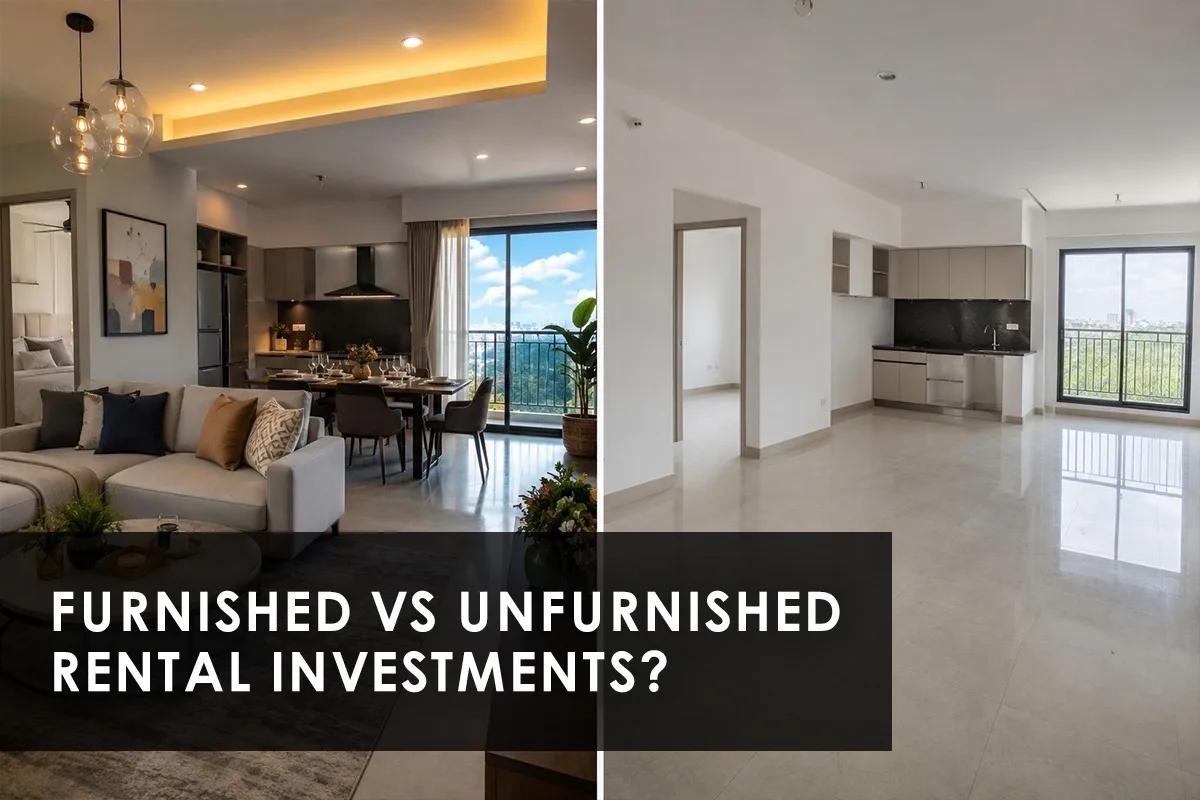
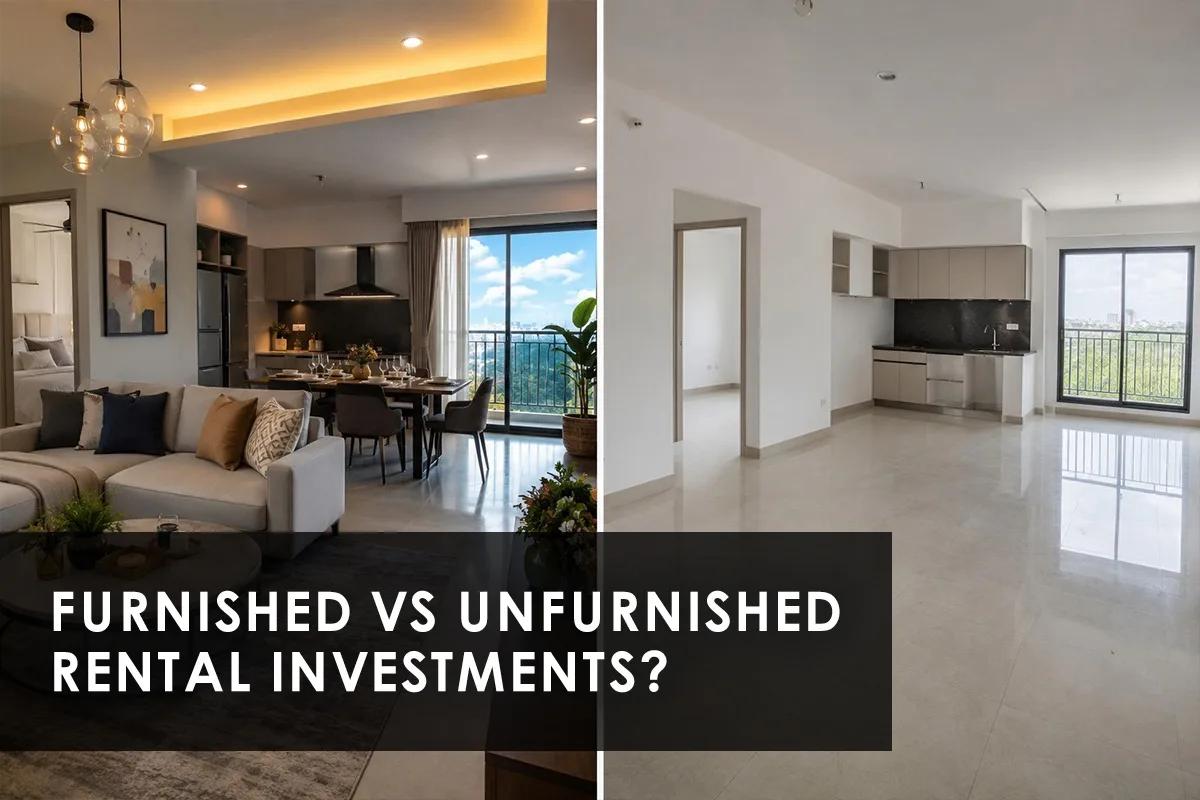
Every landlord eventually hits this fork in the road. Do you hand over a bare shell and let the tenant make it home, or do you fit it out with a bed, a fridge, a washing machine, and charge accordingly? There's no universal right answer here, it genuinely depends on who you're renting to and how much hassle you're willing to sign up for.
The smartest rental investment decision weighs local demand patterns over generic advice.
The Furnishing Premium Nobody Explains Clearly
A well furnished flat in a gated community with decent security can pull in fifteen to forty percent more rent than a comparable bare unit in a standalone building, depending on the city and how good the finish actually is. That sounds like an easy win on paper. But the premium isn't free money, it comes bundled with wear, tear, and the occasional midnight call about a broken geyser.
Who Actually Wants a Furnished Flat
Young professionals relocating for work, people on short postings, anyone who values convenience over customisation, these are your natural furnished tenants. They don't want to spend a weekend assembling furniture from a warehouse store. For them, walking into a flat with a working kitchen and a bed already made is worth paying extra for.
Why Families Still Lean Unfurnished
Families tell a different story. Recent rental index data across cities like Chennai, Hyderabad, Bengaluru and Kolkata shows tenant preference actually skewing toward unfurnished homes first, followed by a balanced semi-furnished middle ground. Families want the freedom to bring their own furniture, arrange rooms their way, and settle in for years, not months. Forcing furniture on a tenant who plans to stay five years can genuinely work against you.

The Real Cost Behind Furnishing a Rental
Kitting out a standard two bedroom flat can cost anywhere between five and fifteen lakh rupees, depending on how premium you go. That's real capital sitting in sofas and wardrobes rather than compounding elsewhere. And every appliance you add is one more thing that can break on your watch, not the tenant's.
Co-Living Changed the Furnished Equation
Something worth knowing if you haven't looked into it yet. Properties leased out to co-living operators under managed arrangements can deliver ten to fifteen percent higher yields than a standard furnished rental, and with far less day to day involvement from the owner. The operator handles tenant turnover, maintenance calls, and rent collection, which honestly removes most of the reasons landlords avoid furnishing in the first place.

Maintenance Is the Hidden Line Item
This is the part people underestimate until they've lived it. A furnished flat means fixing a broken washing machine on a Sunday, replacing a mattress every few years, repainting scuffed walls between tenants. Unfurnished properties largely sidestep all of that, the tenant's furniture is the tenant's problem, not yours.
Location Decides More Than Furniture Does
Before obsessing over furnishing decisions, look at what's actually driving demand in that pocket. A flat near a tech park or metro corridor rents well regardless of furnishing status, sometimes with yields touching five to seven percent in strong micro markets. Furnishing amplifies an already good location, it rarely rescues a weak one.

Making the Call for Your Own Property
If your target tenant is a mobile professional in a corporate heavy neighbourhood, furnishing likely pays off. If you're renting to long staying families in a residential pocket, save the money and let them personalise the space. There's no shame in mixing strategies across different properties in your portfolio either.
Summary
Choosing between furnished and unfurnished rental properties comes down to your tenant profile, location, and appetite for ongoing maintenance. Furnished units can command a meaningful rent premium and suit mobile professionals, while unfurnished homes attract stable, long-term families and demand far less upkeep. Co-living arrangements offer a middle path with strong yields and minimal effort. The smartest rental investment decision weighs local demand patterns over generic advice.