Something interesting keeps happening whenever a new airport gets close to opening in India. Farmland turns into project brochures almost overnight, and villages nobody outside the district had heard of suddenly show up in investor group chats. It happened around Navi Mumbai, it happened around Jewar, and it will keep happening as long as India keeps building new runways.
Panvel is the example most brokers reach for first. Residential land prices near the new international airport there jumped by roughly ninety percent over four years, and apartment demand across Ulwe and Kharghar climbed right alongside it. Once commercial flights actually began in December last year, the surge stopped being a rumour and turned into registered transaction data.
Up in Greater Noida, the story around the upcoming Jewar airport reads almost like a rerun with a new cast. Apartment prices along the Yamuna Expressway corridor have nearly tripled over five years according to industry trackers, and plot values in select micro markets have moved even further. What stands out is that this rally started years before a single commercial flight actually landed, purely on the promise of what the airport would eventually bring.

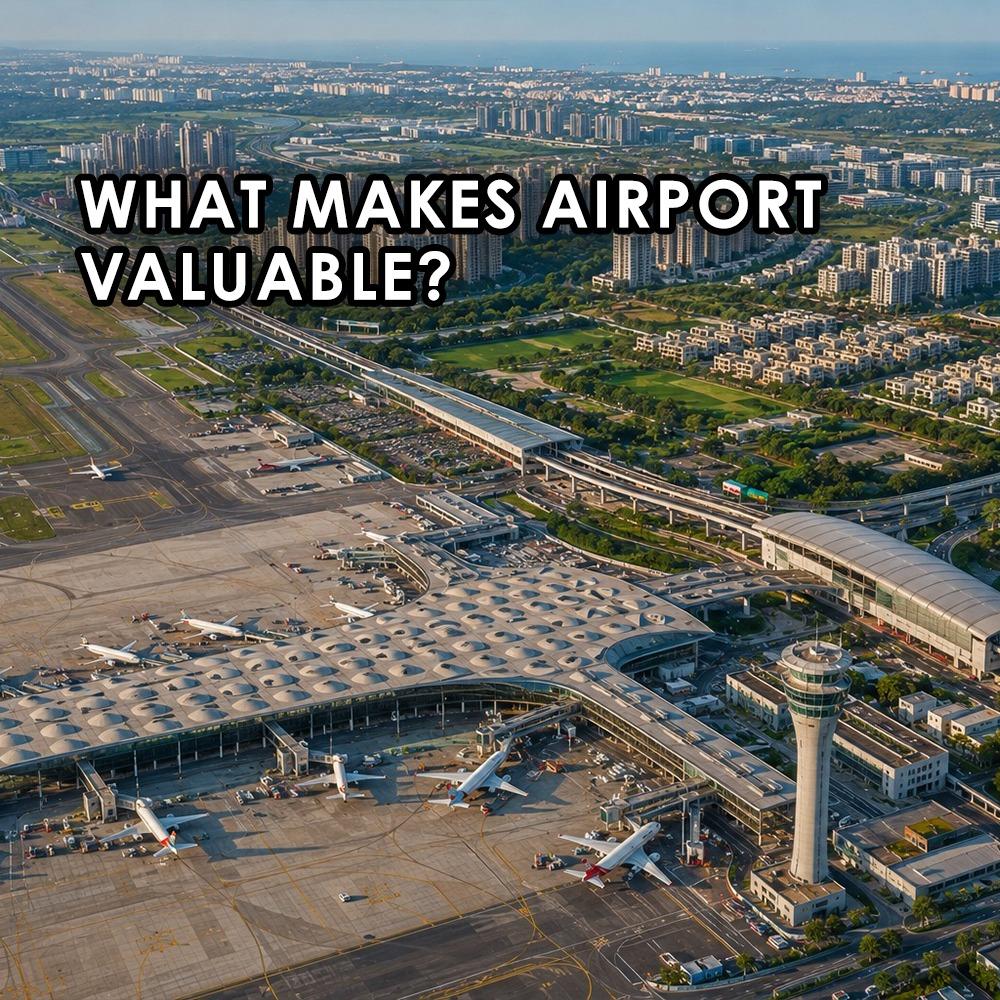
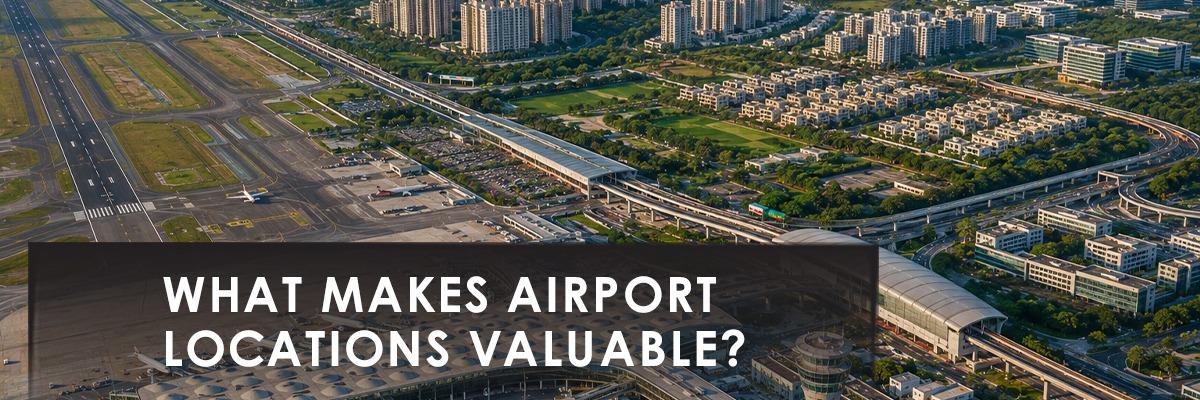
An airport does not raise prices on its own. It pulls in ancillary jobs across logistics, hospitality, and cargo handling, and each of those jobs eventually needs somewhere nearby to live. Corporate offices tend to follow, chasing the same connectivity that attracted the airport in the first place, and that combination is really what pushes housing demand upward rather than the runway itself.
Most of this effect is not spread evenly across an entire district. Analysts generally point to a band of thirty to forty kilometres around a new airport as the zone where prices react fastest, with areas closest to planned metro or expressway links reacting hardest of all. Buy too far outside that radius and you may end up paying airport connected real estate prices without getting any of the actual connectivity benefit. It helps to physically check the commute yourself rather than trusting a distance marked on a map, since road quality and traffic patterns vary wildly across these outer belts.
There is a real difference between buying before ground has even broken and buying after the first flight lands. Prices near Jewar airport Noida moved long before construction finished, rewarding early buyers handsomely, while prices near Navi Mumbai airport property kept climbing steadily even after operations began. Waiting for total certainty usually means paying a premium that early movers avoided entirely.

Airport timelines slip. Anyone who has followed either of these two projects knows that deadlines get pushed by years, not months, and buyers who assumed a fixed possession date sometimes wait far longer than planned. It makes sense to treat any projected completion date as a rough estimate rather than a guarantee before signing anything, and to keep enough financial cushion for a longer wait than the brochure promises.
Airport real estate rewards patience more than speed. Rather than chasing the loudest headline node, it often helps to study which specific pockets sit closest to the roads and rail lines actually being built around the airport influence zone, since not every nearby village benefits equally. A quiet corridor with confirmed connectivity plans can outperform a heavily marketed one that still depends on approvals.
The pattern across Navi Mumbai and Jewar makes one thing fairly clear. Airport connected real estate in India tends to move in two distinct waves, an early speculative run followed by a steadier climb once flights actually begin operating. Buyers who understand the difference between these two phases, and who study the exact radius of airport property impact and infrastructure timeline around any upcoming airport, are usually the ones who benefit most from getting in before the crowd fully arrives.


Find Detailed Answers to Frequently Asked Questions to Help You Make Smart and Confident Real Estate Decisions
New airport developments, like those in Navi Mumbai and Jewar, consistently trigger significant appreciation in residential property values in their surrounding areas, often even before operations begin.
The price movement isn't just due to the airport itself; it's driven by the ancillary jobs (logistics, hospitality), corporate offices, and improved connectivity (metro, expressways) that the airport attracts, boosting housing demand.
Analysts typically point to a 30-40 kilometer band around a new airport as the zone where property prices react fastest, especially in areas with planned metro or expressway links.
There are two main phases: an early speculative run (pre-construction) and a steadier climb once flights begin. Early buyers often see significant rewards, but waiting provides more certainty at a premium.
The primary risk is that airport project timelines frequently slip by years, not months. Buyers should factor in potential delays and maintain a financial cushion beyond brochure promises.
Buyers should prioritize patience, thoroughly research actual connectivity plans (roads, rail lines), and focus on specific pockets within the influence zone rather than just chasing headline-grabbing areas, while being mindful of potential delays.