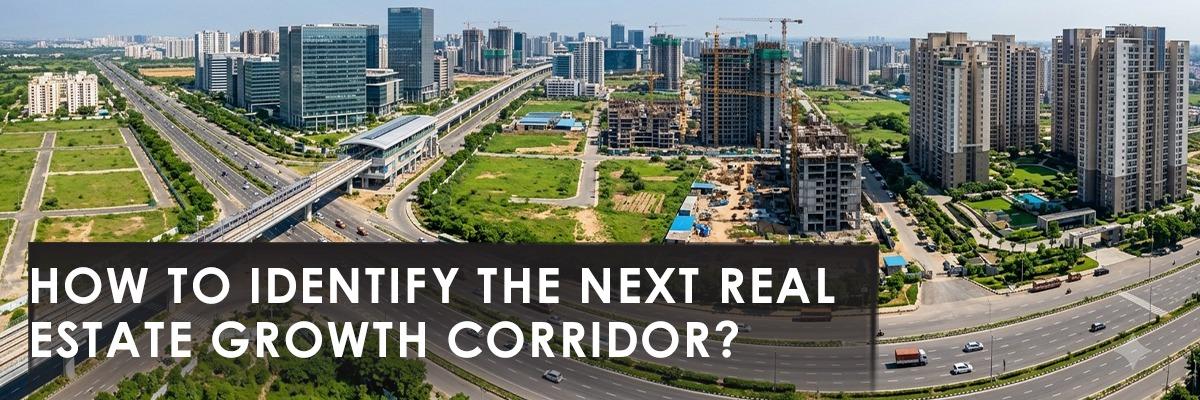
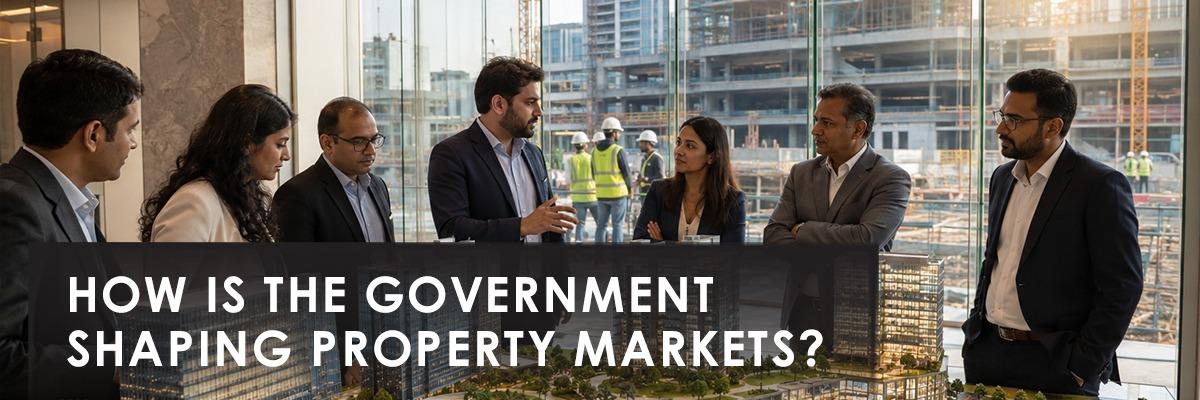
Nobody wakes up one morning and decides a random patch of land will become India's next big commercial address. Somebody in a policy office decided that first, usually years earlier, through a tax break, a metro sanction, or a zoning change that most residents never even noticed. Commercial hotspots don't happen by accident, they get engineered, quietly, through paperwork most of us will never read.
Take GIFT City near Ahmedabad. It didn't exist as a commercial address a couple of decades back, it was largely open land between two towns. Today it hosts over four hundred registered financial entities, with banking assets inside its financial zone having crossed ninety four billion dollars and monthly exchange turnover pushing past a hundred billion. None of that happens without the government carving out a Special Economic Zone with genuine tax relief and simplified rules for firms setting up there.
What's fascinating is how deliberately the whole place was planned. The master layout dedicates roughly two thirds of its space to commercial use, a fifth to housing, and the remainder to schools, hospitals and everyday infrastructure. Utilities run underground through a dedicated corridor, so there's no digging up roads for cable faults years later. That's not builder ambition, that's a government insisting on a certain standard before letting anyone break ground.
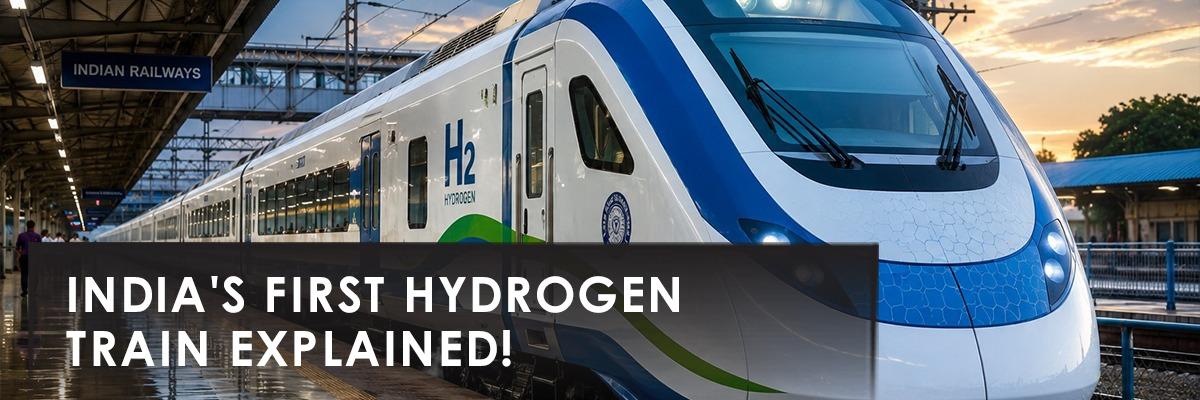
Connectivity might be the single most underrated policy lever in commercial real estate. The Ahmedabad Metro's Violet Line finally reached GIFT City in January this year, and property advisors will tell you plainly that units near upcoming stations already command a premium over those further away. A rail line doesn't just move people, it silently rewrites the value of every plot within walking distance of a platform.
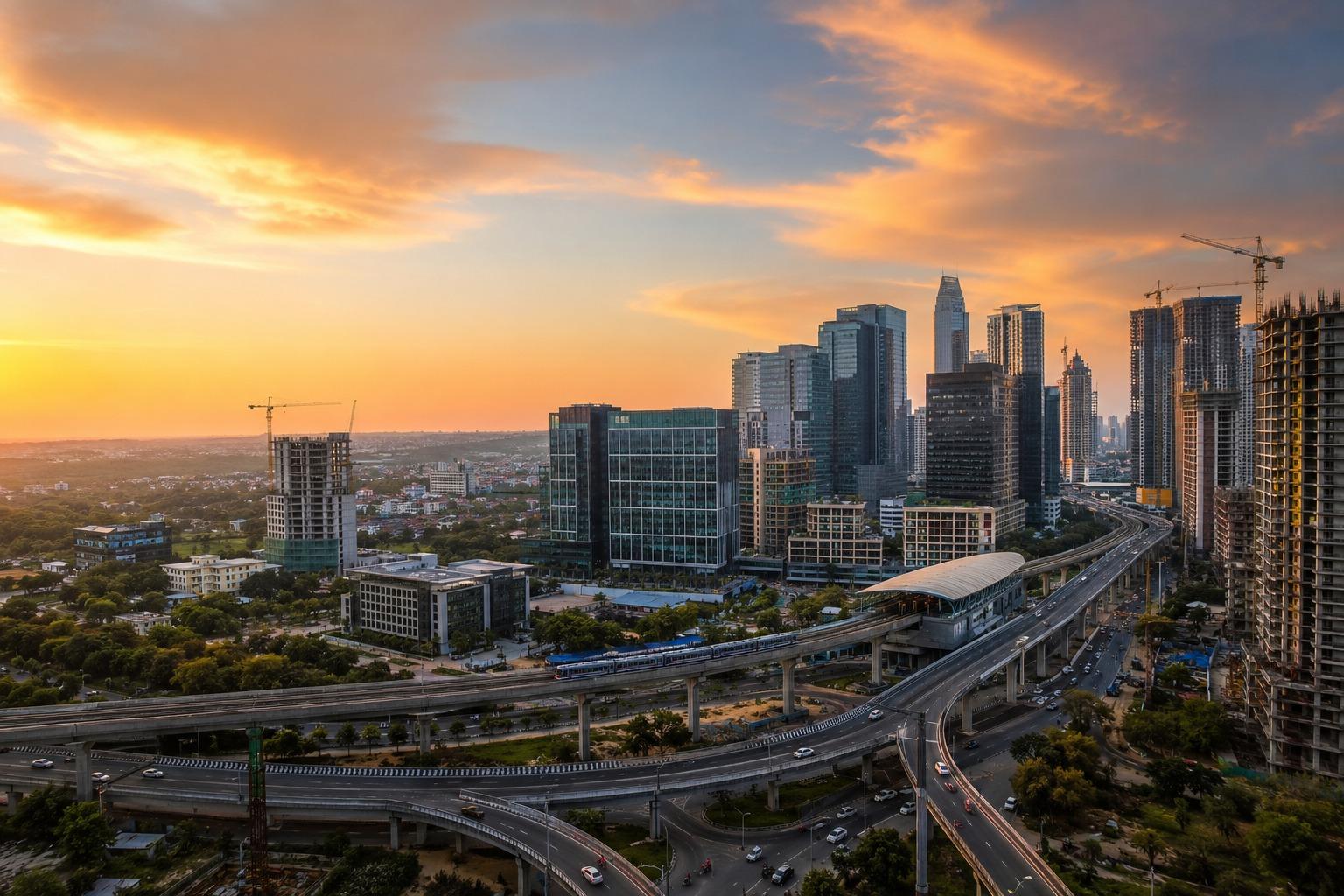
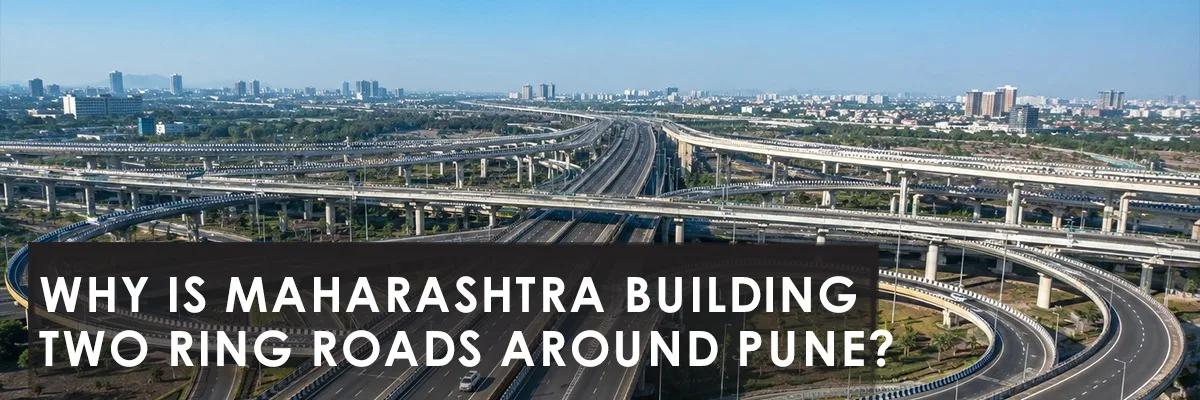
It isn't always about glamorous financial hubs either. Telangana's H CITI programme is pouring roughly seven thousand crore rupees into thirty one flyovers, seventeen underpasses and ten road widening projects across Hyderabad. Government policies like this rarely make national headlines, but ask any broker in the western tech corridor and they'll confirm commute time reductions translate directly into stronger buyer interest.
Special Economic Zone status remains one of the oldest tricks in the policy playbook, and it still works. Streamlined customs procedures, reduced compliance friction and duty exemptions pull multinational operations toward specific pincodes rather than others. A company choosing between two similar cities will often pick the one where paperwork takes weeks instead of months, and that choice alone can turn a sleepy suburb into a commercial hotspot within a few budget cycles.
The flip side deserves mention too. Plenty of ambitious corridors across India have stalled for years simply because land acquisition dragged on, or environmental clearances got stuck in some ministry drawer. Good infrastructure alone can't rescue a location if the underlying approvals keep getting delayed. Growth follows policy far more closely than most brochures admit.
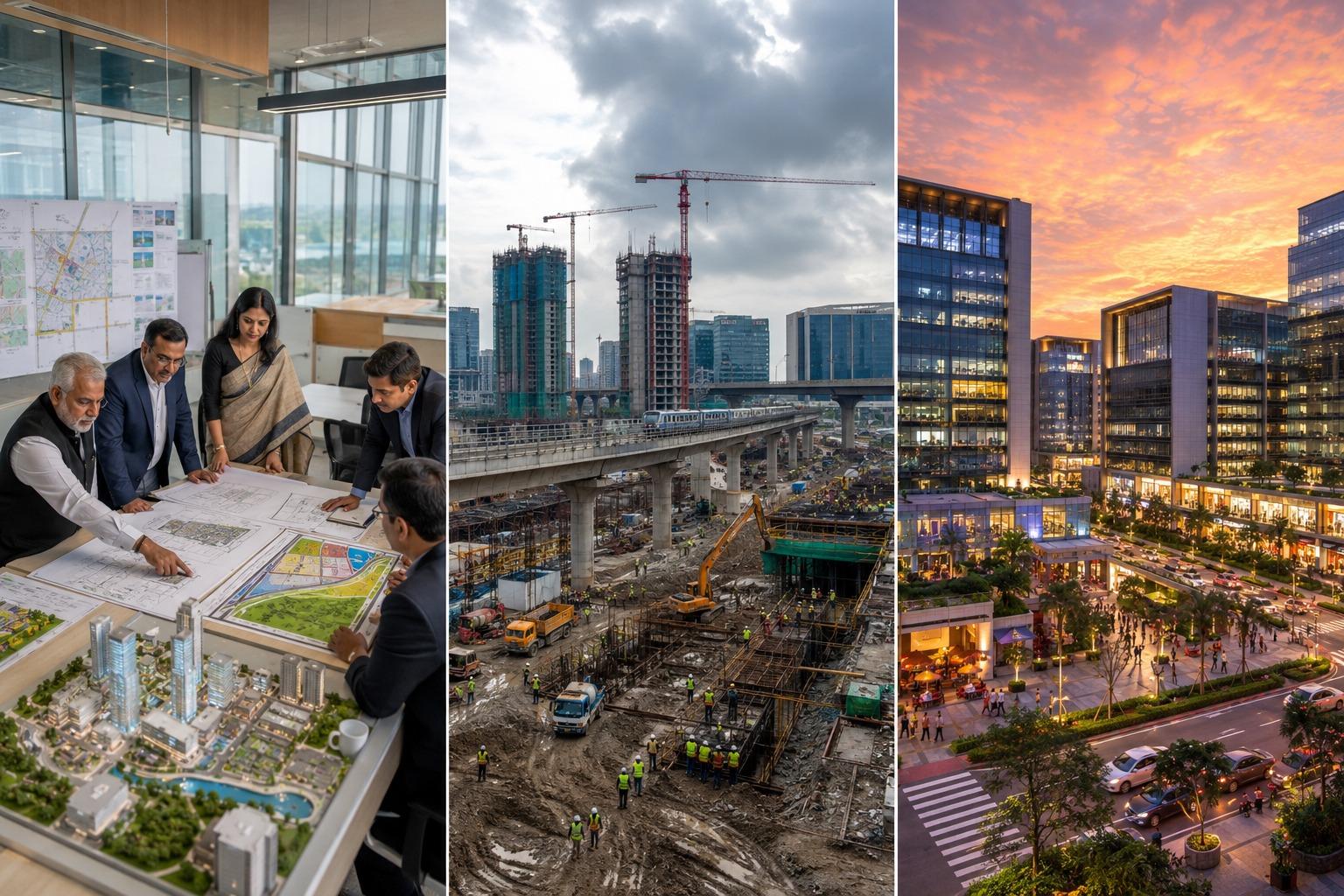
Global capability centres choosing India aren't just chasing cheap talent, they're responding to a decade of steady, occupier friendly regulation around data handling, taxation and labour rules. Interestingly, close to four out of every ten new GCC centres are now opening outside the usual metro belt entirely, largely because state governments outside Bengaluru and Hyderabad have started offering comparable incentives to pull that investment their way.
Anyone trying to spot the next big commercial address would do well to track government budget announcements as closely as they track builder launches. A newly sanctioned metro corridor or a fresh SEZ notification often signals where prices will move years before the construction cranes show up.
Government policies remain the quiet engine behind most commercial hotspot growth in India, whether through SEZ incentives at GIFT City, metro expansions reshaping land value, or state led road programmes like Hyderabad's H CITI push. Locations don't turn commercially attractive purely through market demand, they get shaped years in advance by tax breaks, connectivity decisions and regulatory ease. Watching policy signals early often reveals tomorrow's commercial hubs before the rest of the market catches on.


Find Detailed Answers to Frequently Asked Questions to Help You Make Smart and Confident Real Estate Decisions
Government policies like tax incentives (SEZ status), infrastructure development (metro lines, roads), zoning changes, and regulatory ease are the primary drivers shaping commercial hotspots and land values by attracting investment and improving connectivity.
Yes, GIFT City in Gujarat was built from scratch using SEZ tax incentives, while Hyderabad's H CITI program and Ahmedabad Metro's expansion showcase how road and rail connectivity significantly boost commercial property values.
SEZs attract capital by offering streamlined customs procedures, reduced compliance friction, and duty exemptions. This makes specific locations highly attractive for multinational operations, fostering rapid commercial development and turning them into hotspots.
Tracking government budgets, metro corridor sanctions, or SEZ notifications provides early signals for where property values will appreciate. This allows real estate investors to spot future commercial hubs years before the wider market catches on.