
Samruddhi Mahamarg: The 701-Kilometre Reason to Look at These Maharashtra Cities Differently
Summary
The Samruddhi Mahamarg is reshaping Maharashtra's real estate and economic landscape. This 701km expressway connects key cities like Nagpur, Nashik, and Aurangabad, driving significant land value appreciation, industrial growth, and residential demand. It represents a long-term development platform, not just a transport project.

A Road That Changes the Real Estate Map
India has built some impressive expressways over the past two decades. But the Samruddhi Mahamarg, officially known as the Hindu Hrudaysamrat Balasaheb Thackeray Maharashtra Samruddhi Mahamarg, is doing something most of them have not. It is not just connecting two major cities. It is threading together ten districts, 392 villages, and a string of smaller cities that have historically been cut off from the state's economic mainstream.
At 701 kilometres, this six-lane, access-controlled corridor runs from Mumbai to Nagpur and slices the travel time between them from 16 hours to just 8. Fully operational since early 2025, it is already starting to reshape land values, industrial interest, and residential demand along its entire length.
Nagpur: The Anchor City
No city stands to gain more from this expressway than Nagpur. It was already Maharashtra's second capital and a growing logistics hub. The Samruddhi Mahamarg has simply accelerated what was already happening.
Land prices near the Samruddhi Circle in Nagpur have risen 3.7 times between 2015 and 2024. Projections suggest a 5.2-fold increase by 2035. Plotted developments in the area currently price between ₹3,000 and ₹5,000 per square foot, which still offers meaningful upside for investors entering now.
The city also has independent tailwinds. Metro Phase 2 expansion is expected to complete by 2026 and 2027. The Nagpur Airport is being expanded with a new terminal targeting 4 million passengers annually by 2030. MIHAN, the multi-modal international hub on the city's southern edge, continues to attract IT, aerospace, and logistics companies. Nagpur is not a speculation play. It is a fundamentals story.
Nashik: The Logistics Gateway
Nashik sits at the western end of the expressway corridor and is positioned to become one of Maharashtra's primary logistics and warehousing hubs. Its proximity to both Mumbai and Pune, combined with its new expressway access, makes it attractive for distribution-focused businesses that need to serve western Maharashtra efficiently.
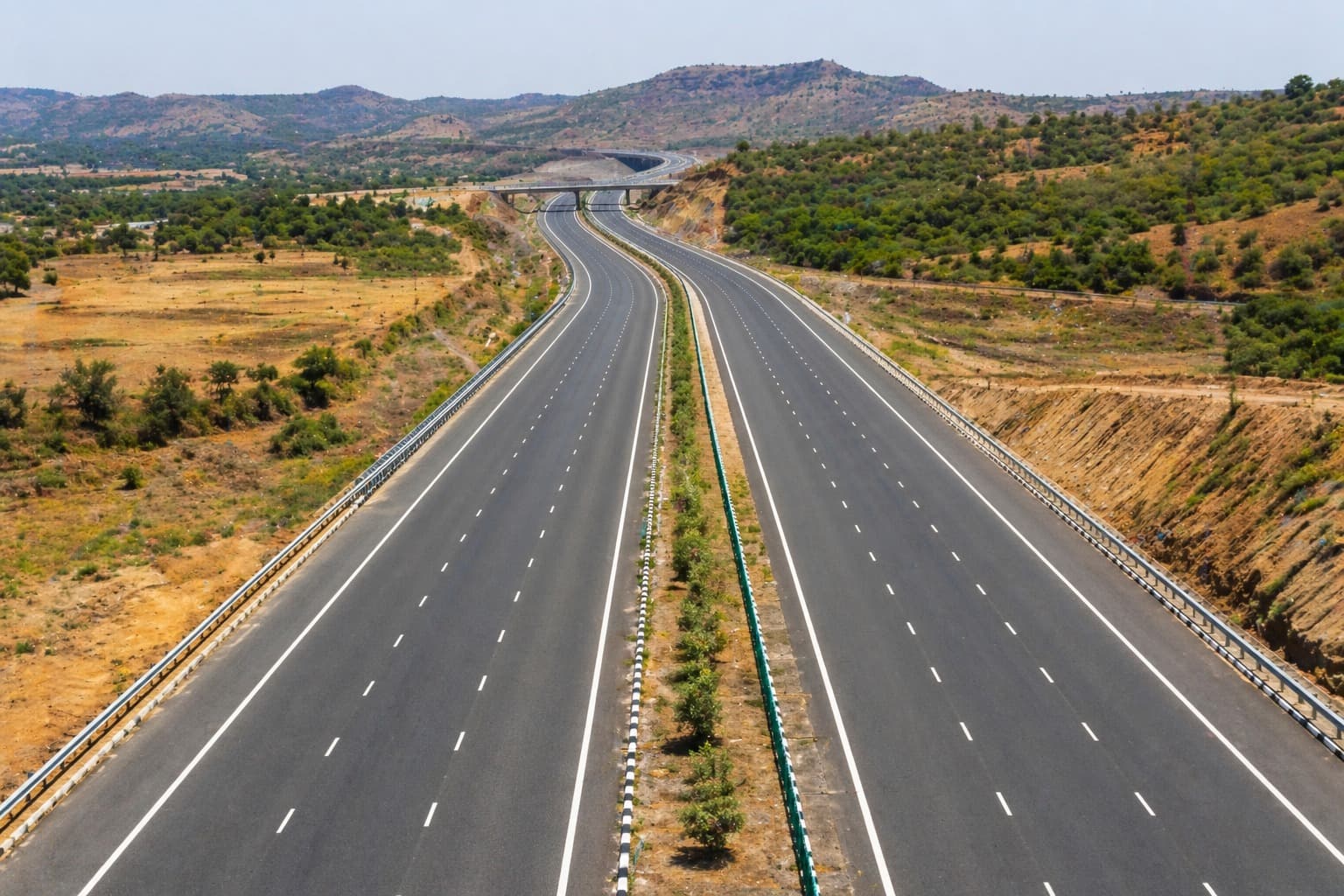
The Igatpuri-Nashik stretch was among the last sections completed, and its operationalisation has meaningfully improved Nashik's connectivity. Residential demand in the city has been growing steadily, partly driven by Pune and Mumbai professionals seeking second homes in a cooler, greener environment at a fraction of metro prices.
Aurangabad: History Meets Opportunity
Aurangabad, now officially renamed Chhatrapati Sambhajinagar, sits in the heart of the Marathwada region and is one of the most strategically positioned cities along the Samruddhi corridor. It has a significant existing industrial base in automobiles, pharmaceuticals, and engineering, and that base is now being supplemented by improved logistics access.
The city is also a natural tourism anchor. Ajanta and Ellora, two UNESCO World Heritage Sites, sit within an hour's drive. As expressway traffic grows and the Maharashtra government develops tourism nodes along the corridor, Aurangabad's hospitality and commercial real estate segments are expected to respond.
Industrial plots and peripheral residential land near the expressway access points remain attractively priced compared to Pune or Nashik. For investors with a five-year horizon, the entry window here is still reasonable.
Amravati and Washim: The Emerging Belt
These two cities do not appear in most mainstream property investment discussions. They should. Amravati is a major district headquarters in Vidarbha with a growing cotton and agriculture-linked economy, and the expressway has given it overnight connectivity to both Nagpur and the Mumbai-side markets.
Washim and nearby Buldhana are slated to become agro-processing and industrial nodes under the state government's 24-development-node plan for the corridor. The Maharashtra State Road Development Corporation has authorised the New Town Development Authority to develop 19 new townships along the expressway route, with healthcare centres, IT parks, and skill development infrastructure planned at each.
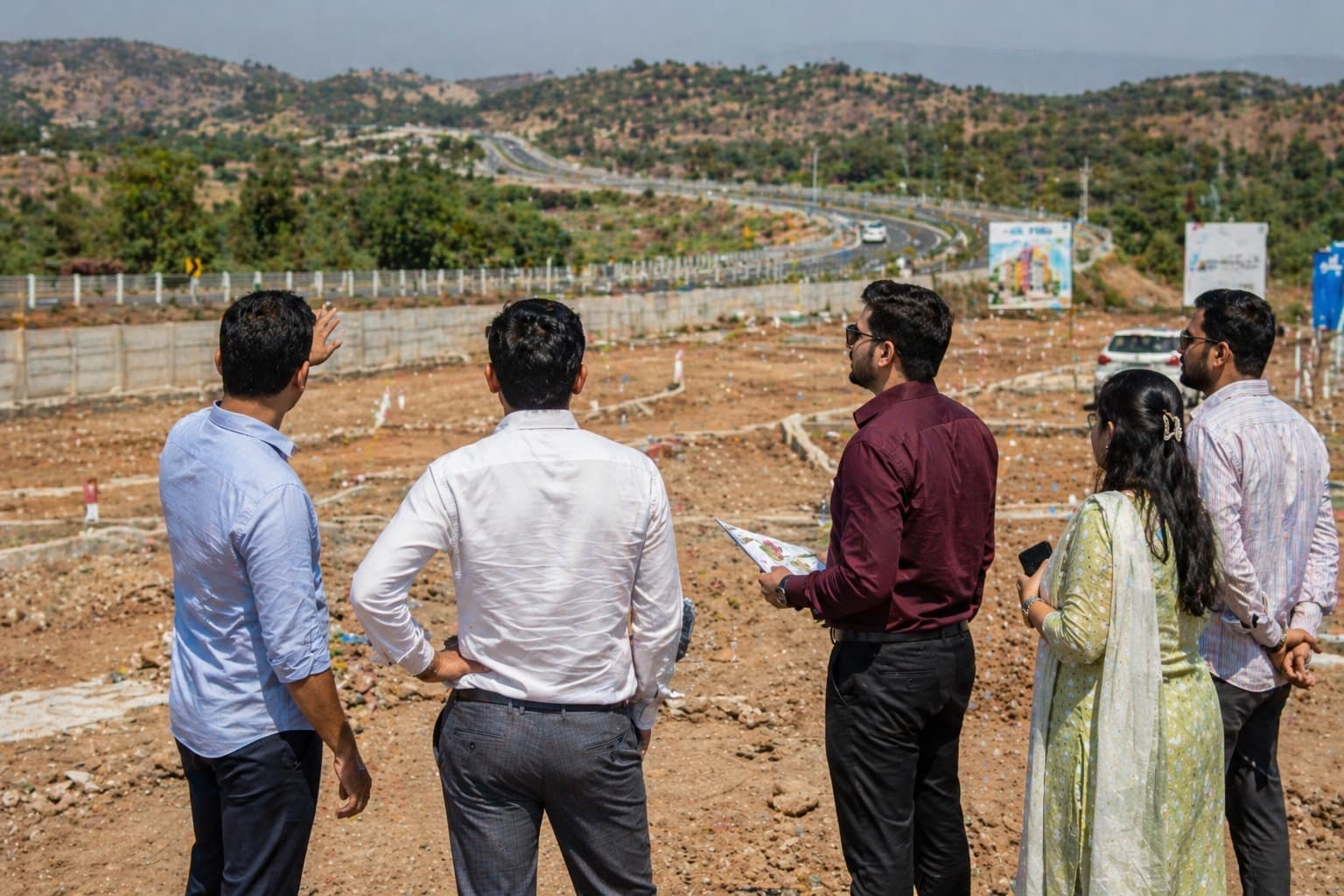
These are not short-term plays. But for land investors comfortable with a seven to ten-year horizon, the prices in this belt today represent the kind of entry point that disappears once the townships begin construction in earnest.
What the Government Is Actually Building
Beyond just the road, the Maharashtra government has been deliberate about treating the Samruddhi Mahamarg as an economic spine. Twenty-four development nodes are being activated along the route focusing on agri-processing estates, tourism hubs, and logistics clusters. Solar infrastructure to generate 250 MW of energy is planned along the corridor. Optical fibre, natural gas pipelines, and EV charging points are being embedded along the route's length.
This level of planning signals that the corridor is being treated as a long-term industrial and residential development platform, not just a transport project.
Summary
The Samruddhi Mahamarg is reshaping Maharashtra's real estate map city by city. From Nagpur's surging land values and expanding metro network to Nashik's logistics potential, Aurangabad's industrial and tourism pivot, and the emerging opportunities in Amravati and Washim, the 701-kilometre corridor offers property investors a rare combination of infrastructure-backed growth and still-accessible entry prices. Cities along the Mumbai Nagpur Expressway are no longer peripheral choices. They are becoming the next chapter in Maharashtra's real estate growth story.