
Ask a twenty five year old professional in Bengaluru or Pune what their dream home looks like, and the answer has quietly shifted. It's no longer a sprawling three bedroom flat, it's often something closer to five hundred square feet, well designed, well located, and actually affordable. That shift alone explains a lot about where Indian housing is heading right now.
Urban home sizes across Indian metros have been trending smaller for a while now, and it isn't purely about affordability, it's also about how people actually live today. A young professional renting alone doesn't need the same square footage a joint family once did, and developers have caught on to that shift faster than most buyers expected.
Mumbai pioneered this trend years back with units as compact as 189 to 320 square feet, mostly aimed at buyers priced out of anything larger in central localities. What's changed recently is how normalised the format has become elsewhere. Bengaluru, Gurugram, and Noida have all seen rising demand for these smaller units, largely driven by migrant professionals earning steady incomes but still priced out of conventional two bedroom homes.
Reduced square footage translates directly into lower construction costs, and that saving gets passed down to buyers in the form of a more accessible entry price. For someone stepping into homeownership for the first time, a well located 1BHK genuinely beats an oversized flat sitting further from work, transit, or daily conveniences. It's less about compromise and more about prioritising location and design over raw size.
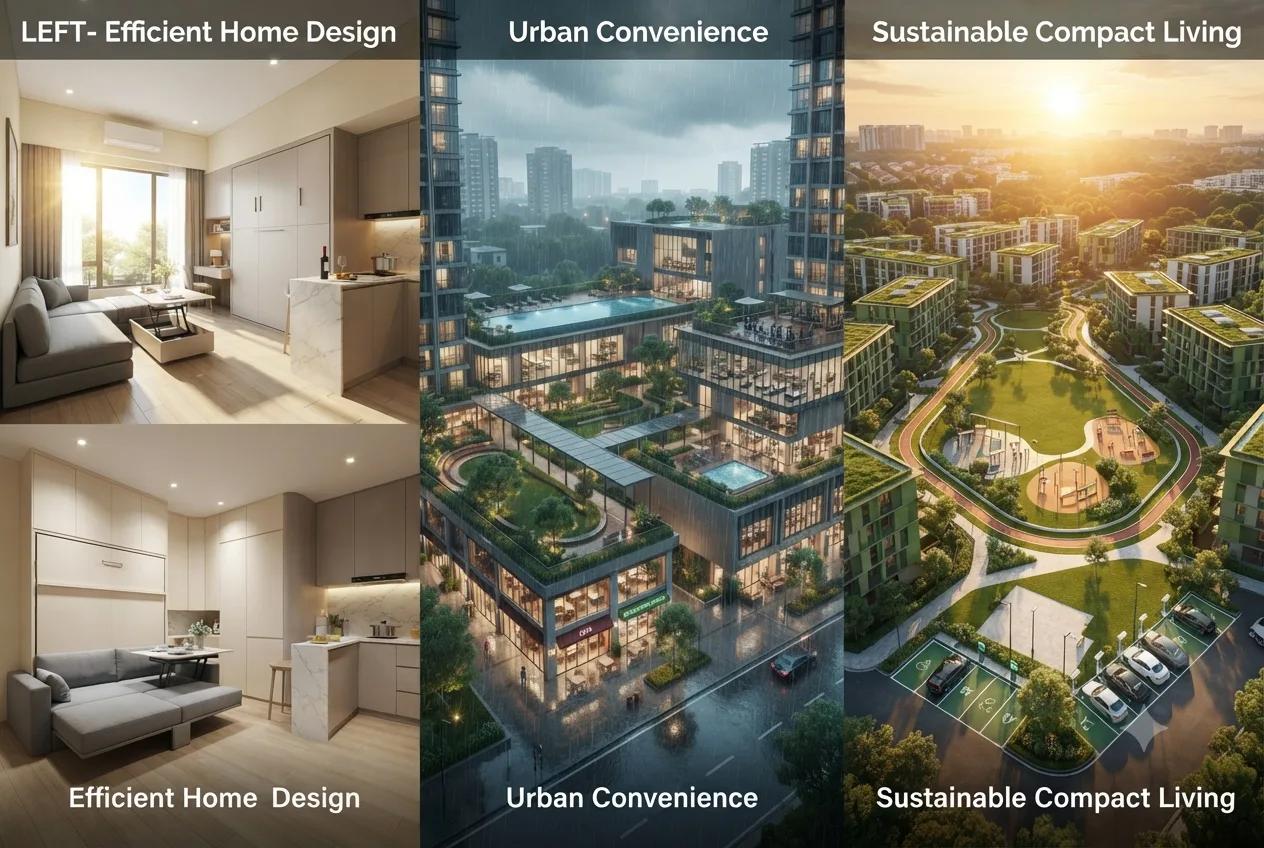
Compact doesn't have to mean cramped, and Indian architects have gotten noticeably better at proving that lately. Multi-functional layouts, foldable furniture, and vertical storage solutions are turning small units into genuinely livable homes rather than shrunken versions of larger flats. A single well chosen piece of furniture doing double duty now often matters more to buyers than an extra hundred square feet of empty floor.
While Mumbai, Bengaluru, and Delhi remain the obvious names in this conversation, cities like Nashik, Indore, Raipur, and Coimbatore are becoming affordable housing hotspots in their own right. These markets offer lower entry prices and steadier connectivity growth, which is drawing developers who once focused exclusively on metros. For middle class buyers priced out of the big cities entirely, this expansion into smaller cities is arguably the more significant story.
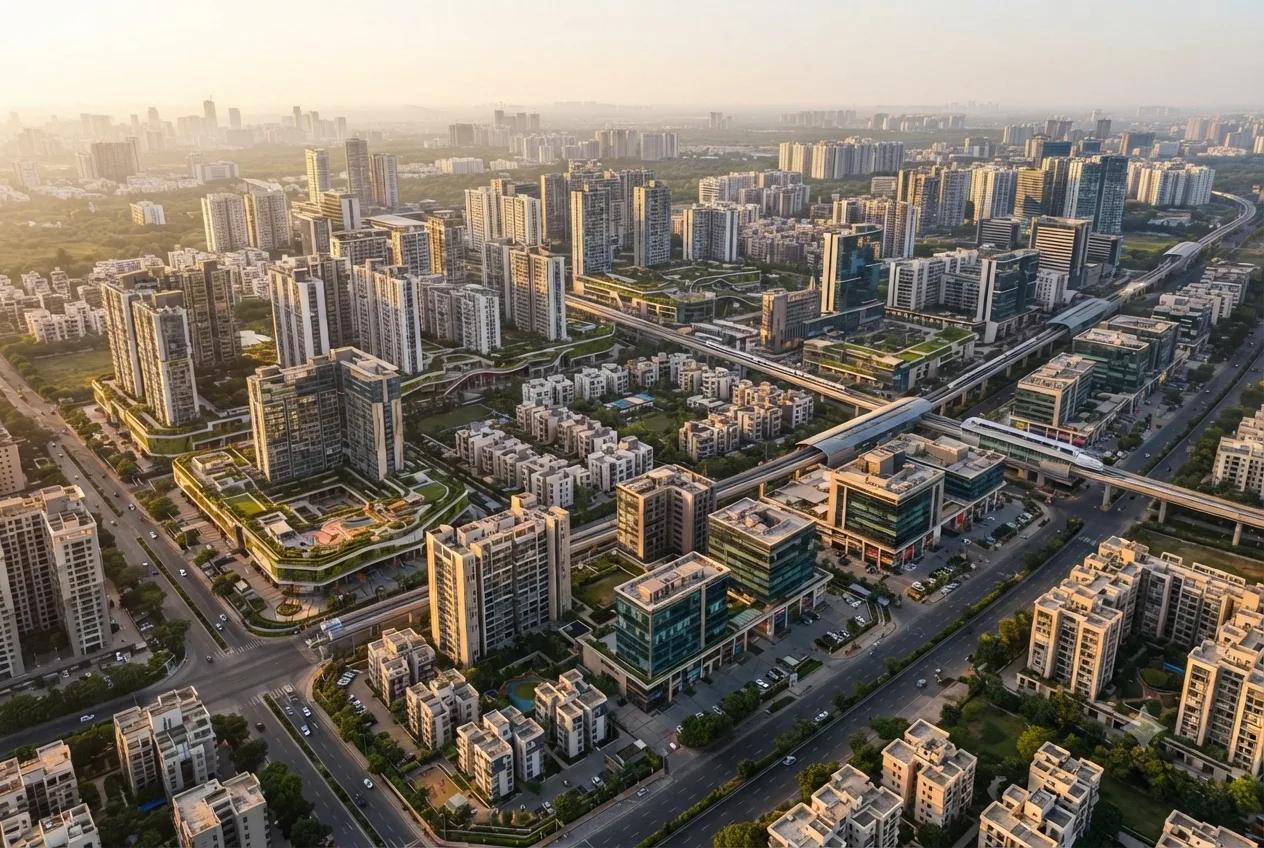
Housing schemes and financing incentives continue nudging both developers and buyers toward smaller, well planned units rather than oversized, expensive ones. Mixed-use developments, combining residential blocks with retail and open spaces within the same compound, are becoming particularly popular because they let buyers get more functional value without stretching their budget on carpet area alone.
For a growing number of young professionals, the compact housing story isn't about buying at all, it's about co-living arrangements that skip ownership entirely while still offering a private, well furnished room. Operators are increasingly stepping into this space with shared amenities and housekeeping built in, essentially productising the compact lifestyle for people who value flexibility over a fixed address.
The pull toward compact housing isn't a temporary dip caused purely by high prices, it looks more like a genuine shift in how urban Indians want to live. Smaller units near work, transit, and social hubs are increasingly winning out over larger homes stuck further from daily life. Builders who adapt their designs around this preference, rather than simply shrinking old floor plans, are likely to stay ahead as this trend continues to build.
Compact housing in Indian cities has moved well past being a budget compromise, it now reflects genuine lifestyle preferences among young, mobile urban professionals. From Mumbai's early micro apartments to emerging affordable hubs in tier two cities, smaller, smarter homes are reshaping how India buys and rents. Backed by supportive government schemes and better design thinking, this shift toward efficient, well located compact housing looks set to keep growing rather than reverse.


Find Detailed Answers to Frequently Asked Questions to Help You Make Smart and Confident Real Estate Decisions
Compact housing is gaining popularity due to affordability, changing lifestyle preferences of young urban professionals who prioritize location and design over raw size, and the rising demand for well-located, smaller units near work and social hubs.
The shrinking footprint is driven by affordability, lower construction costs, and a shift in how people live, with young professionals often not needing the large square footage traditional joint families once did. Developers are adapting to this demand for efficient, smaller homes.
Architects are increasingly using multi-functional layouts, foldable furniture, and vertical storage solutions to make compact units genuinely livable, proving that small spaces don't have to mean cramped, but rather efficiently designed homes.
No, while pioneered in cities like Mumbai and Bengaluru, the compact housing trend is now expanding into Tier Two cities such as Nashik, Indore, and Coimbatore, which are becoming affordable housing hotspots attracting developers and middle-class buyers.
Government housing schemes and financing incentives are encouraging both developers and buyers towards smaller, well-planned units. Mixed-use developments are also popular, offering more functional value without stretching budgets on carpet area alone.
Co-living arrangements offer an alternative for young professionals who prioritize flexibility over ownership, providing private, furnished rooms with shared amenities. This productizes the compact lifestyle for those seeking convenience without a fixed address.