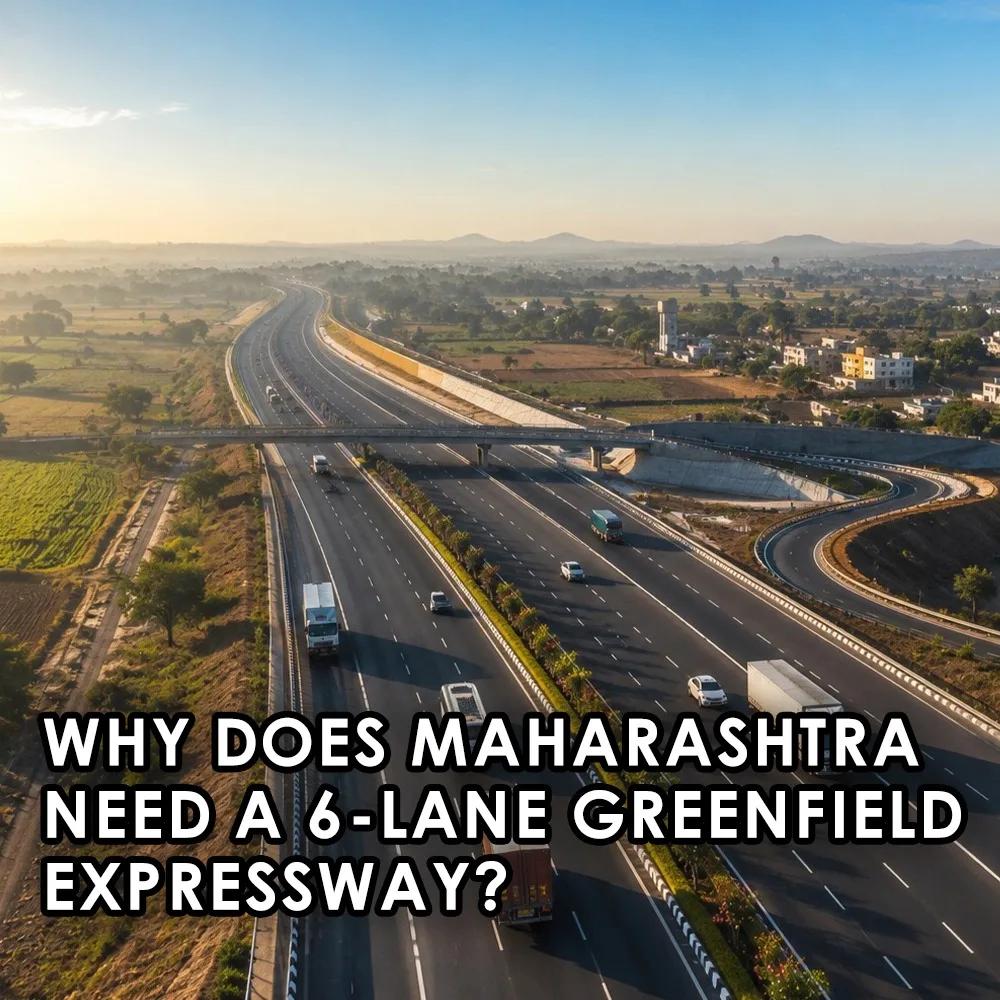
Every few years, a highway announcement comes along that quietly reshapes how an entire region thinks about distance. The recently cleared corridor linking Nashik, Solapur and Akkalkot is one of those. It's not flashy news the way a metro launch is, but for anyone tracking land prices or logistics in central Maharashtra, this is the kind of update worth reading twice.
Cabinet approval is a green light, not a ribbon cutting. Land acquisition, environmental clearances and contractor bidding still lie ahead, and projects of this scale in India routinely take several years from approval to opening. Anyone buying land purely on expressway speculation should treat this as a five to seven year horizon, not an overnight jump.
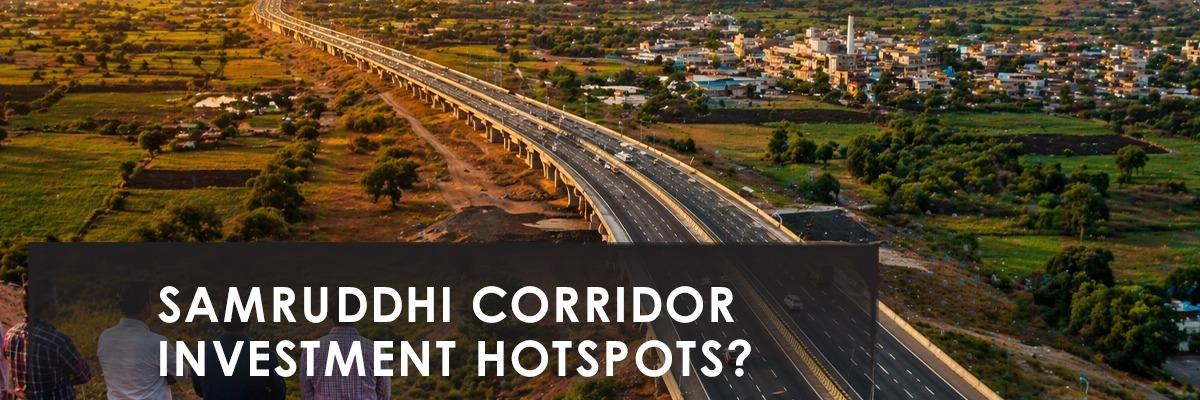
The Cabinet Committee on Economic Affairs gave the green light to a six lane, fully access controlled greenfield highway running roughly 374 kilometres through Maharashtra. The total capital outlay stands at around nineteen thousand one hundred and forty two crore rupees, a figure that places it firmly among the state's bigger road infrastructure bets in recent memory. It's being built under the Build Operate Transfer toll model, meaning a private developer constructs and runs the road before eventually handing it back to the government.
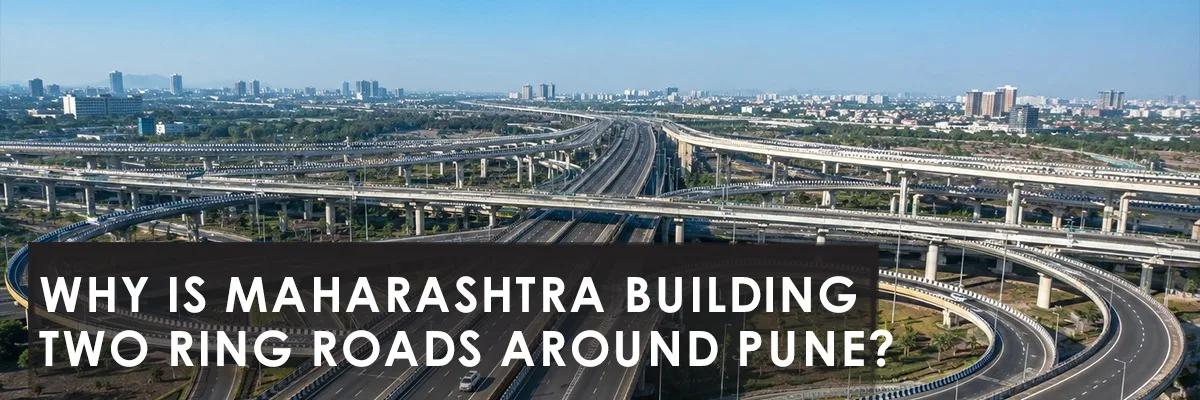
Starting near Nashik, the corridor cuts through Ahilyanagar and Dharashiv before reaching Solapur, then continues toward Akkalkot close to the Maharashtra Karnataka border. That's four districts getting a brand new high speed spine, something that historically only happens once in a generation for towns along this belt. Farmers, small traders and local transporters in these districts have spent years dealing with narrow, congested state roads, so a controlled access highway changes the daily math for a lot of people.
Choosing the toll model isn't a minor technical detail. It means the government isn't fronting the entire construction bill, instead recovering costs through user tolls over the concession period. Critics sometimes grumble about toll heavy stretches, but the upside is faster execution, since private players have skin in the game to finish on schedule rather than let the project drag for a decade.
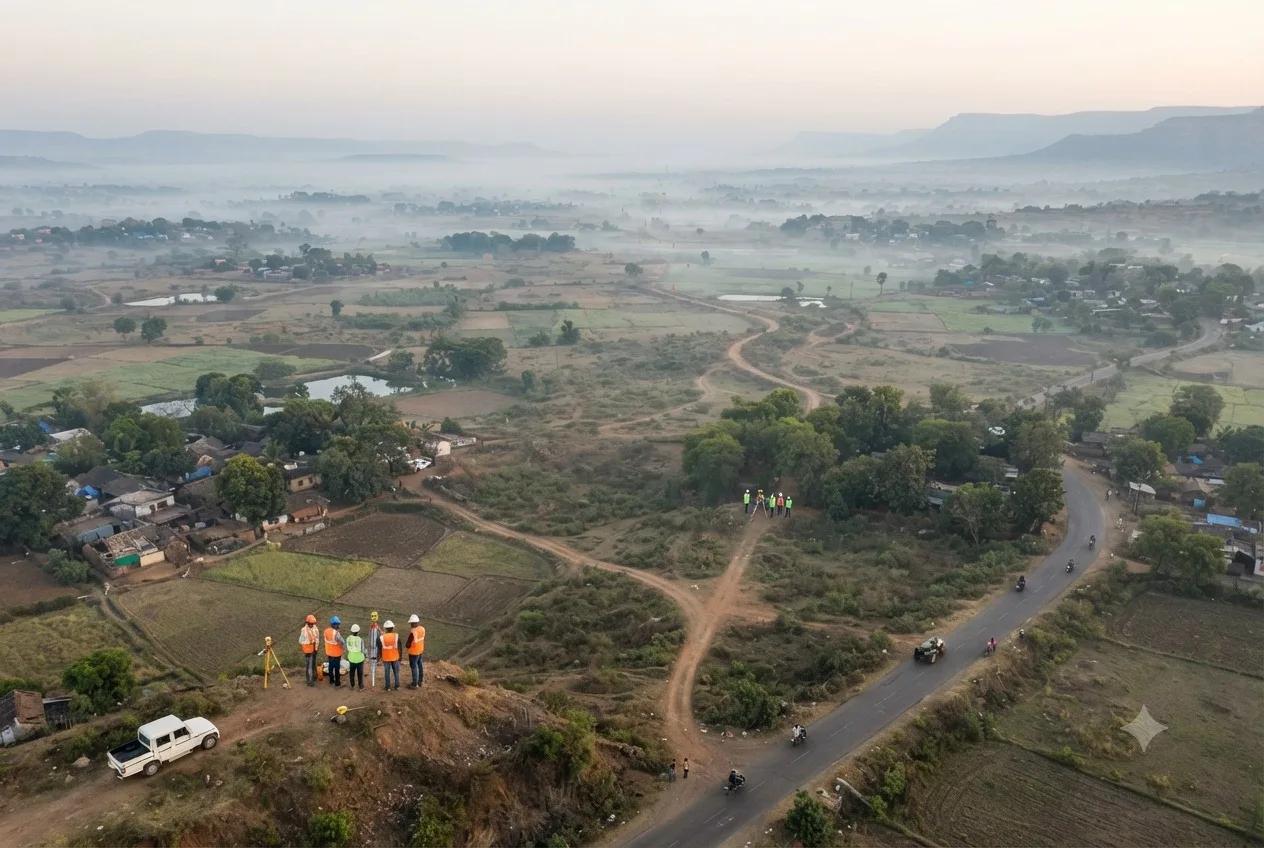
Engineers have designed this stretch for speeds up to 100 kilometres an hour, with average operating speeds expected around 60. That might sound modest next to expressway numbers elsewhere, but for a stretch currently choked with slow moving trucks and mixed traffic, it's a genuine leap. Being access controlled also means no random entry points disrupting flow every few kilometres, something drivers on older highways know all too well.
This isn't an isolated stretch of tarmac. It's designed to plug into the Delhi Mumbai Expressway near the Vadhavan port interchange, the Agra Mumbai corridor close to Nashik, and Samruddhi Mahamarg near Pangri. Once fully linked with the parallel Chennai Hasapur corridor further south, officials expect the combined route to shave off close to two hundred kilometres and around seventeen hours of travel time between the west and east coasts. That's a fairly significant claim for freight movement alone.
Interestingly, a portion of this alignment, the Nashik to Talegaon Dighe section, is also expected to double up as part of the long discussed Pune Nashik Expressway that the state government has been pursuing separately. Two long pending infrastructure wishlists getting solved through overlapping construction is the kind of planning efficiency that doesn't happen often enough in Indian highway projects.
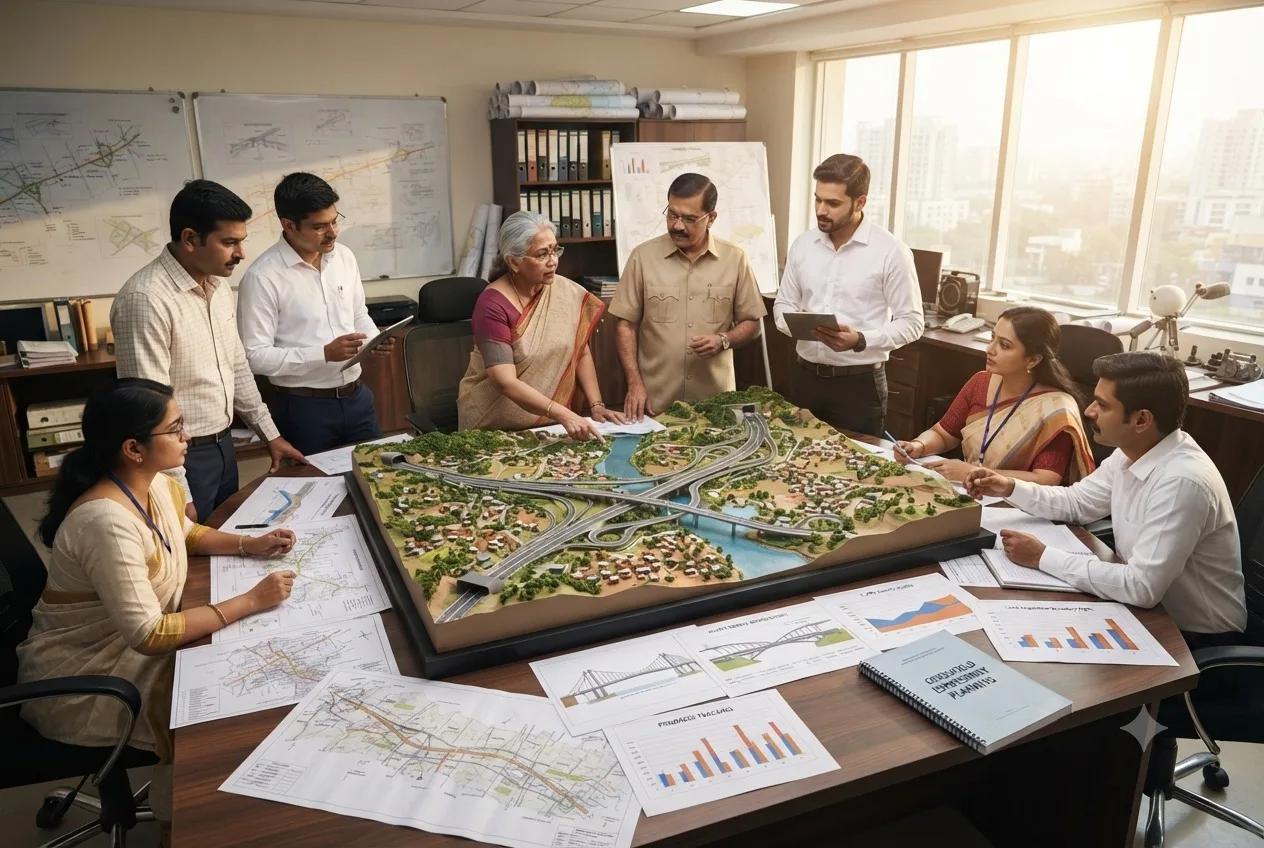
Land near upcoming expressway alignments tends to move before the road itself does, and this corridor won't be an exception. Districts like Ahilyanagar and Dharashiv, which rarely feature in real estate conversations, could see fresh interest from warehousing operators and logistics parks looking to sit close to a future national freight artery. Solapur, already an established textile hub, stands to gain the most from faster access to both Mumbai and southern markets.
Cabinet approval is a green light, not a ribbon cutting. Land acquisition, environmental clearances and contractor bidding still lie ahead, and projects of this scale in India routinely take several years from approval to opening. Anyone buying land purely on expressway speculation should treat this as a five to seven year horizon, not an overnight jump.
The Nashik Solapur Akkalkot corridor marks one of Maharashtra's more significant recent highway approvals, spanning 374 kilometres at a cost near nineteen thousand crore rupees under the BOT toll model. Once complete, this greenfield expressway will connect four districts, link major national corridors and meaningfully cut travel time between the west and east coasts. For now, it remains a promising blueprint, one worth watching closely over the coming construction seasons.


Find Detailed Answers to Frequently Asked Questions to Help You Make Smart and Confident Real Estate Decisions
It's a new, six-lane, fully access-controlled greenfield highway project approved by the Indian government to connect Nashik, Solapur, and Akkalkot in Maharashtra.
The project spans approximately 374 kilometers with a total capital outlay of around ₹19,142 crore.
The corridor will traverse through Nashik, Ahilyanagar, Dharashiv, and Solapur districts, ending near Akkalkot on the Maharashtra-Karnataka border.
The Build Operate Transfer (BOT) toll model means a private developer will construct and manage the road, recovering costs through tolls. This often leads to faster project execution compared to government-funded projects.
The expressway is designed for speeds up to 100 km/h and aims to significantly reduce travel times, potentially shaving off hours for journeys between the west and east coasts when integrated with other major corridors.
While approved, the project requires land acquisition, environmental clearances, and contractor bidding. It's realistic to expect a construction and opening timeline of several years, likely 5-7 years from approval.
Areas along the route, particularly in districts like Ahilyanagar and Dharashiv, could see increased interest from logistics and warehousing sectors. Solapur is also expected to benefit from improved market access.