Anyone who has ever apartment hunted with a pet knows the drill. You walk into a place, fall in love with the balcony, and then remember your Labrador needs somewhere to actually be a Labrador. Pet friendliness isn't a single checkbox anymore, it's become a whole category buyers and renters actively filter for.
Building policy matters more than most people realise until they've already signed a lease. Some societies quietly discourage pets through vague clauses, weight limits, or breed restrictions buried in the fine print. Before falling for a listing photo, it's worth asking the society or landlord directly, because a beautiful apartment attached to an unfriendly management committee solves nothing.
Marble looks stunning in brochures, but ask any dog owner how their pet handles marble floors and you'll get an earful about slipping paws and nervous puppies. Vitrified tiles or textured flooring offer far better grip, and they hold up better against scratches too. It's a small detail during viewing, easy to overlook, yet it shapes daily life more than almost anything else in the unit.
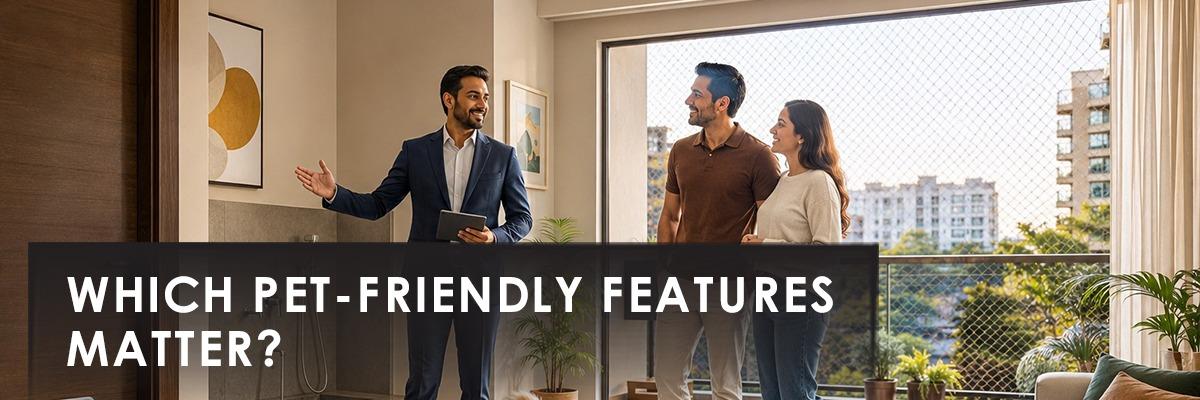
A balcony sounds like a dream for pet owners until you realise the railing gaps are wide enough for a curious cat to squeeze through. Higher floors need this checked even more carefully, since a moment of distraction can turn tragic fast. Buyers should physically inspect grille spacing rather than trust a floor plan, and honestly, retrofitting mesh netting later is a completely reasonable ask during negotiation.
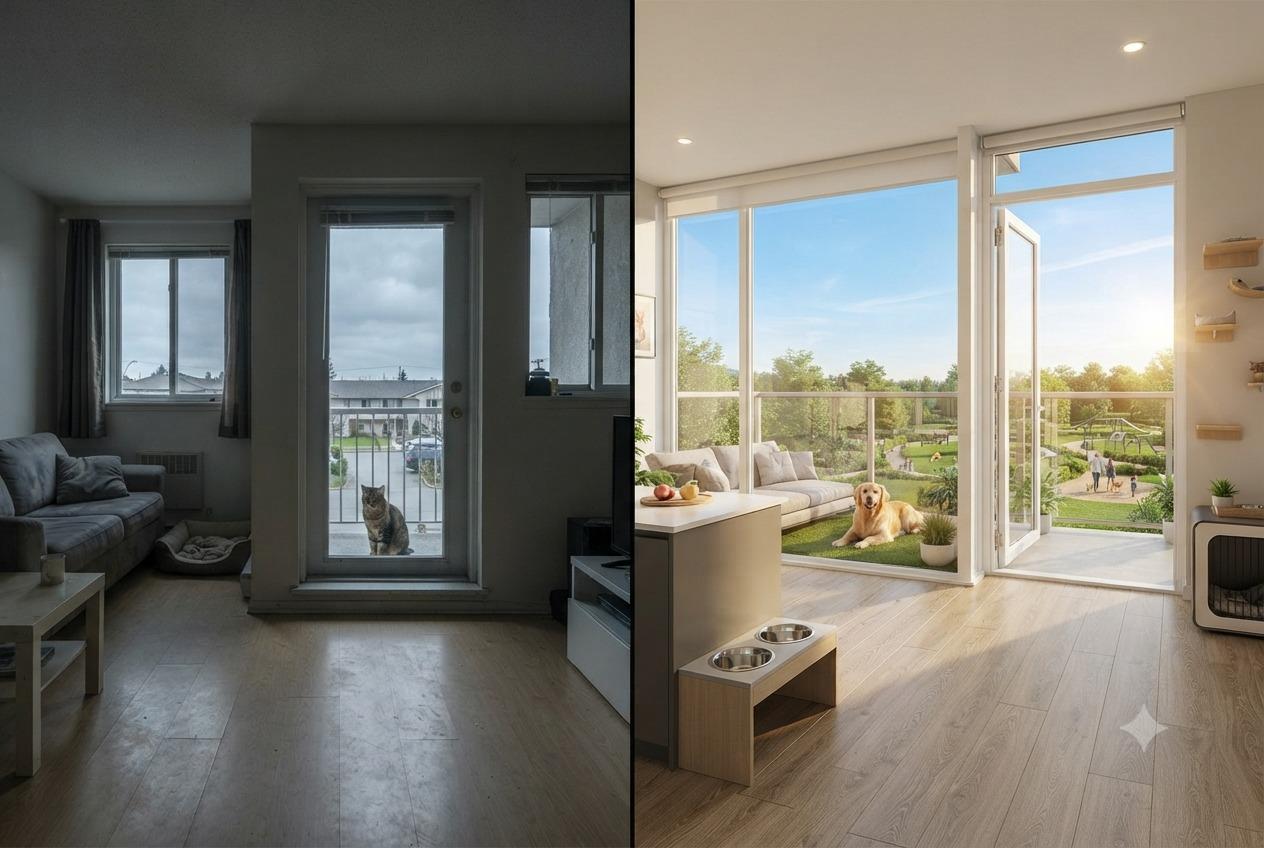
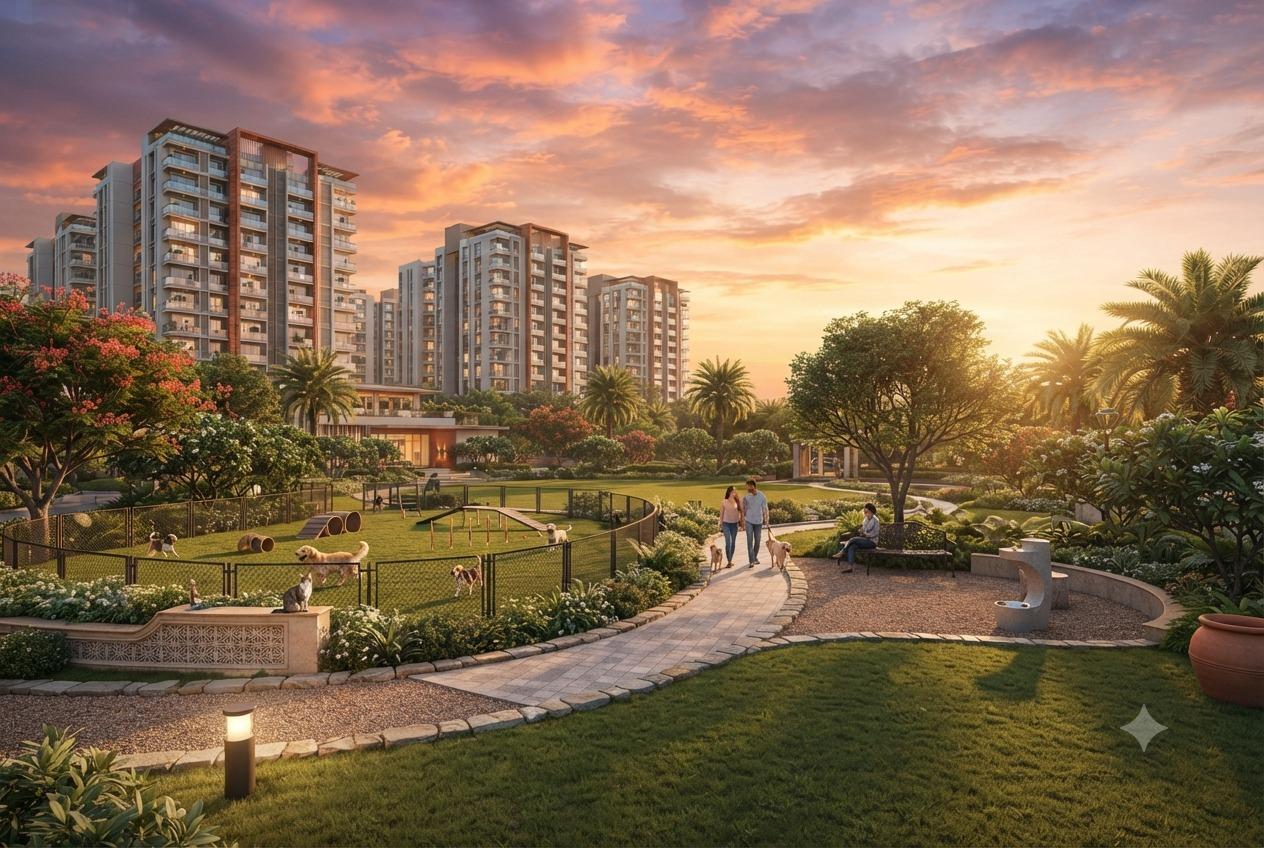
Dogs need somewhere to actually move, not just a five minute elevator ride down to a parking lot. Societies with a dedicated green patch, walking track, or even a modest pet park tend to hold their value better among pet-owning buyers, and that demand has only grown as more younger households adopt pets. It's less about luxury and more about basic quality of life for the animal living there full time.
Thin walls and pets rarely mix well. A barking dog in a building with poor sound insulation becomes everyone's problem within a week, and that tension can sour relationships with neighbours fast. Corner units, ground floor options, or apartments away from shared walls tend to work better for owners of vocal breeds, something worth factoring in before falling for a centrally located unit.
Pets, especially dogs with thick coats, struggle in poorly ventilated homes far more than humans notice on their own. Cross ventilation, decent window placement, and reliable exhaust in kitchens all quietly affect how comfortable an animal feels indoors during Mumbai's humid stretches or Delhi's peak summer months. It's rarely advertised as a pet feature, but it functions like one.
Location still does a lot of heavy lifting here. An apartment ten minutes from a reliable veterinary clinic offers real peace of mind that a stunning interior never will, particularly for older pets or breeds prone to health issues. Nearby parks or open stretches for walks aren't a bonus anymore, they're closer to a requirement for anyone serious about their pet's daily routine.
Pet ownership comes with a surprising amount of gear, leashes, food bins, grooming supplies, crates that nobody wants sitting in the living room. A little extra utility storage, even a shallow cabinet near the entrance, quietly makes daily life easier and keeps the rest of the home from looking like a pet store storage unit. It sounds minor until you're the one tripping over a crate every morning.
Landlords who explicitly welcome pets are noticing something interesting, their listings move faster and often attract more responsible, long-staying tenants. Pet owners tend to value stability and are less likely to hop apartments every year, which honestly makes them a fairly attractive tenant profile once landlords get past the initial hesitation. Builders marketing new projects have started catching on too, adding these features into brochures rather than treating them as an afterthought.
Choosing a genuinely pet-friendly apartment goes well beyond a landlord saying yes to pets casually during a viewing. Flooring texture, balcony safety, ventilation, nearby green spaces, and honest society policies all shape whether a home actually works for an animal living there daily. As pet ownership keeps rising across Indian cities, buyers and renters who dig into these apartment features before signing tend to save themselves a lot of frustration later, and their pets end up genuinely happier for it too.


Find Detailed Answers to Frequently Asked Questions to Help You Make Smart and Confident Real Estate Decisions
A genuinely pet-friendly apartment includes suitable flooring (like vitrified tiles), safe balconies with secure grilles, access to outdoor green spaces, good ventilation, and clear, supportive building policies regarding pets.
Specific flooring like vitrified tiles or textured surfaces provides better grip for pets, preventing slips and reducing stress, especially compared to slippery marble. They are also more durable against scratches.
Pet owners should physically inspect balcony railing gaps to ensure they are not wide enough for a pet to squeeze through, especially on higher floors. Retrofitting mesh netting is a reasonable safety measure to consider.
Building policies dictate weight limits, breed restrictions, and overall pet acceptance. It's crucial to clarify these rules directly with the landlord or society before signing a lease to avoid future issues.
Dogs, in particular, need dedicated outdoor space to move and relieve themselves. Societies with green patches, walking tracks, or pet parks significantly enhance a pet's quality of life and are highly valued by pet-owning residents.
Yes, the demand for pet-friendly apartments is growing, leading to faster listings movement and attracting responsible, long-staying tenants. Builders are increasingly incorporating these features, recognizing their value in the market.