
Nine Things a Smart Buyer Checks Before Trusting the Word Green
Summary
A smart buyer must verify "green" apartment claims by checking certifications, ratings, and actual energy/water savings. Ensure sustainable features are functional, inquire about green home loans, and confirm long-term value for genuinely sustainable living.

Introduction
Buying a flat these days almost never happens without someone mentioning the word sustainable. But how much of that is real, and how much is a sticker on a brochure? The difference between a genuine eco-friendly apartment and one that merely claims to be shows up on your electricity bill within the first year.
Start With the Certificate, Not the Marketing
The first thing to ask any developer is which body actually certified the project. IGBC, GRIHA, and LEED India are the three names that carry weight here, and each evaluates a building differently. IGBC green homes remains the most widely used system for residential apartments in the country, while GRIHA leans more toward projects with government backing. If a salesperson says green without naming a certifying body, treat that as a gap worth pressing on.
Ask What Rating Level the Building Actually Holds
Certifications usually come in tiers, something like Silver, Gold, or Platinum, and the difference is not cosmetic. A Platinum rated project typically delivers meaningfully higher energy and water savings than one that scraped through at entry level. Get the actual rating in writing rather than accepting a verbal assurance, since paperwork here protects you long after the sales conversation is forgotten.
Question the Energy Numbers Behind the Claims
Every legitimate green apartment should show you projected savings on energy consumption compared to a conventional building nearby. Certified buildings typically cut energy use by around twenty percent or more, and water consumption can drop by nearly a third in well designed projects. Ask for the baseline they are comparing against, since a vague percentage without context tells you very little.
Look Closely at Water and Waste Systems
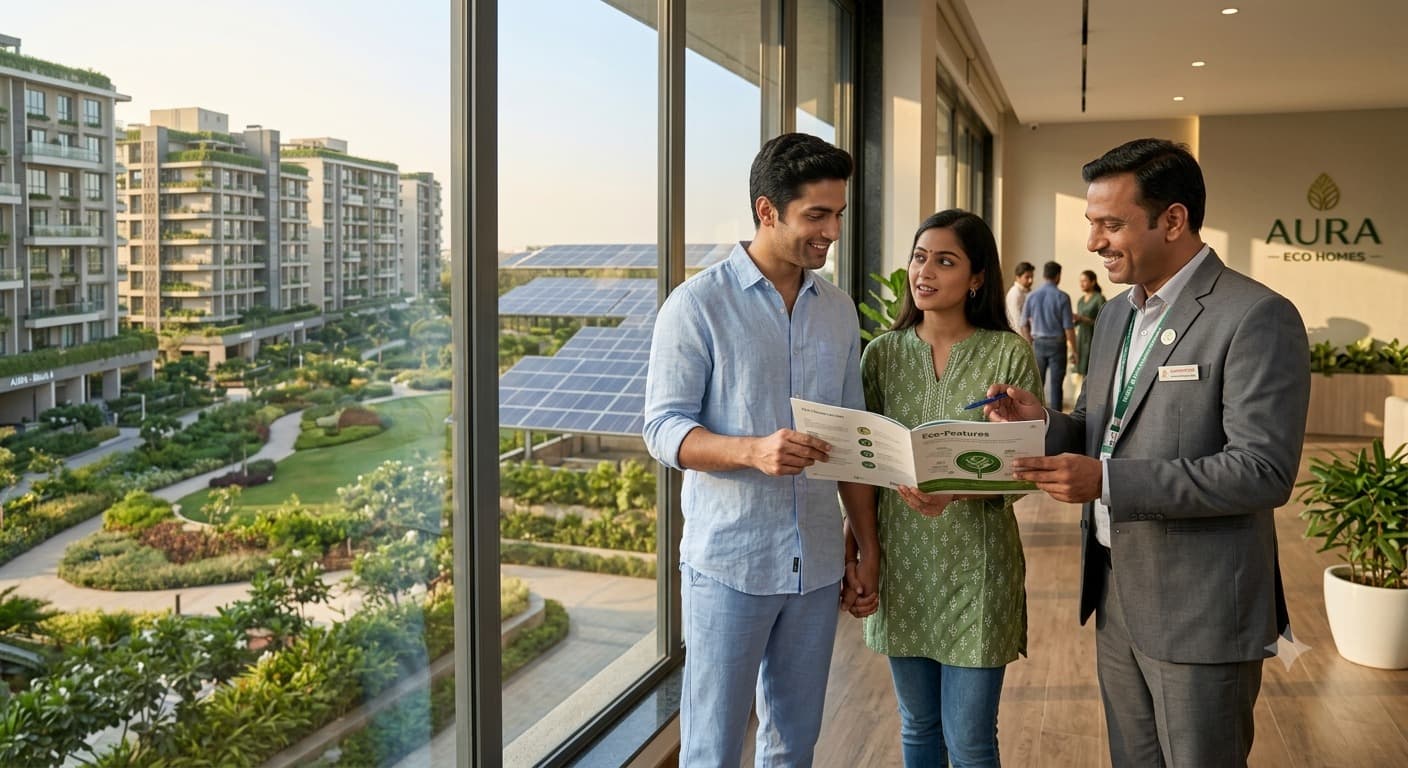
Rainwater harvesting pits, greywater recycling, and low flow fittings sound impressive on paper, but ask whether they are installed and functioning or simply planned for later. Waste segregation and composting facilities matter more than people assume, especially once the building is fully occupied. A green certification without a working waste plan is really just a regular apartment with better landscaping.
Check Ventilation and Material Choices
Good cross ventilation and daylighting reduce dependence on air conditioning, and that alone reshapes your monthly power bill. Ask what materials went into construction, since fly ash bricks, AAC blocks, and low VOC paints all contribute to healthier indoor air quality. It sounds minor until you remember how much time families spend indoors during Mumbai monsoons or Delhi winters.
Understand the Real Cost Difference
Sustainable living in a certified home can carry a slightly higher upfront price, often somewhere between two and eight percent above a comparable conventional unit. That premium tends to pay itself back within three to five years through lower utility bills, assuming the green features are genuinely functional rather than decorative. Ask for a rough breakdown of where that extra cost goes before deciding if it is worth paying.
Ask About Green Home Loan Options
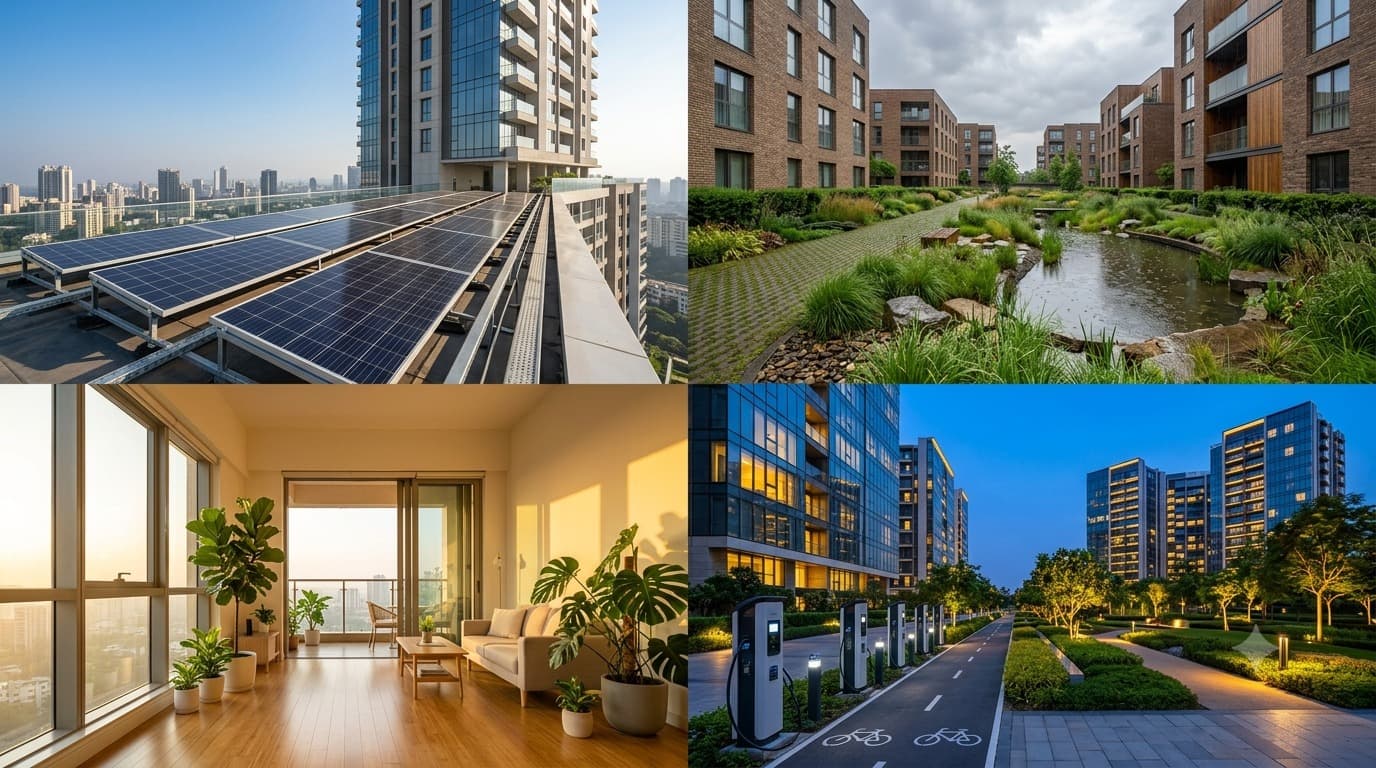
Several lenders now offer preferential terms for energy efficient homes, including cashback subsidies once a rating body verifies the completed construction. This is easy to miss since banks rarely advertise it upfront, so raise the question directly with your loan officer. A subsidy of even a couple of percentage points on a large loan adds up over the tenure.
Verify Resale and Rental Demand Nearby
Green homes India increasingly command a resale premium, and tenants show a genuine preference for buildings with lower running costs. Before committing, check whether comparable green certified projects nearby have actually sold at a premium, or if that is just a claim developers repeat to each other. A quick chat with a local broker who has closed similar deals usually settles this faster than any brochure can.
Summary
Buying a certified eco-friendly apartment in India comes down to verifying claims rather than trusting labels. Confirm the certifying body, the rating tier, and the real energy and water numbers before signing anything, and ask how a green home loan subsidy might apply to your purchase. Sustainable apartment living genuinely pays off over time, but only when the green features behind the certification are real, functioning, and properly documented rather than decorative additions meant for the sales brochure.