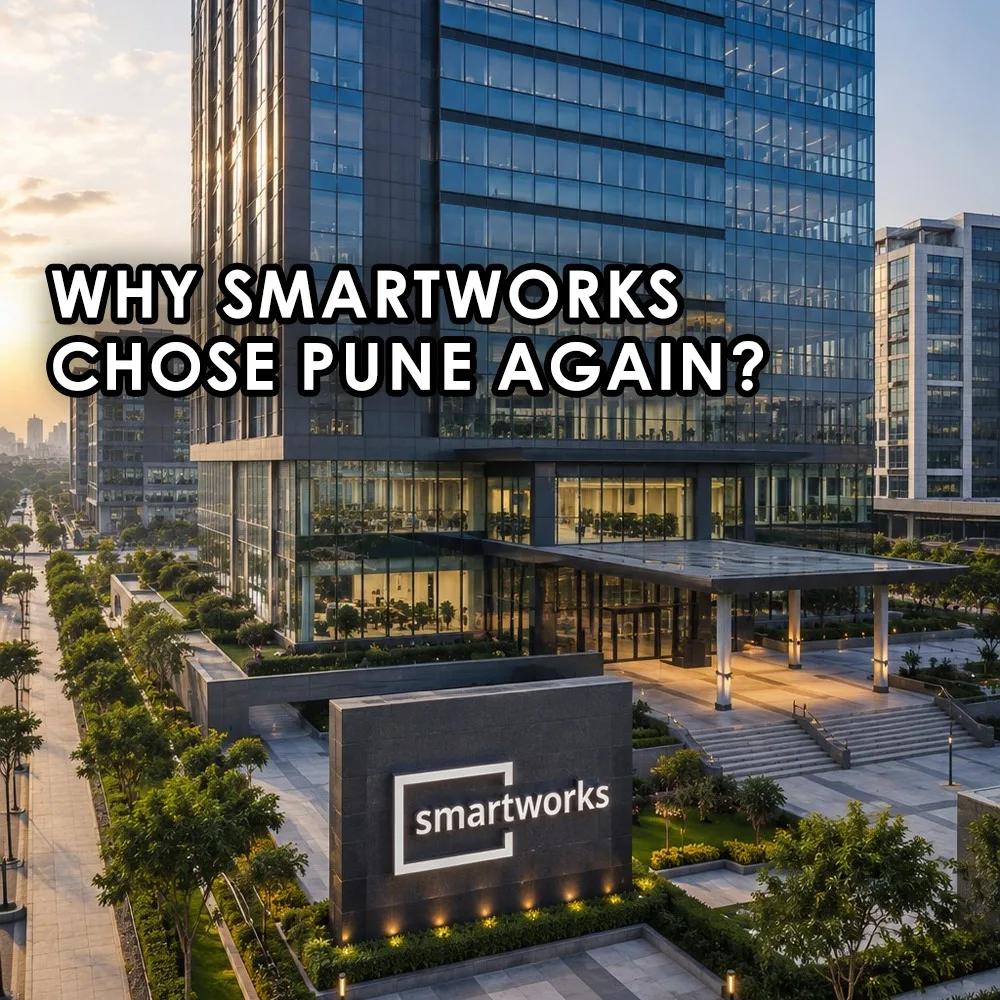
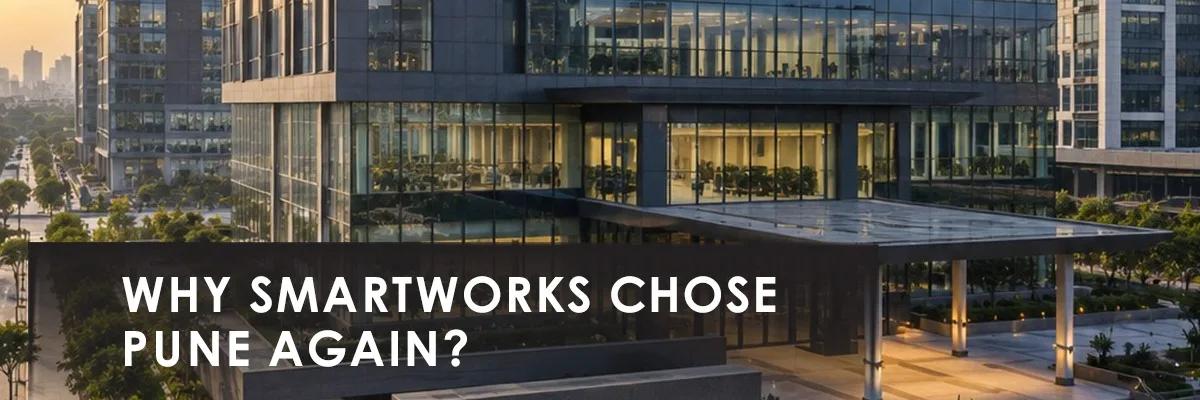
A single lease filing doesn't usually make anyone outside a boardroom sit up. But when Smartworks disclosed a fresh 1.64 lakh sq ft addition in Pune, with a rental commitment touching ₹87.5 crore, it said something bigger about where India's office space story is heading. This isn't a startup renting a corner cabin anymore. It's an enterprise scale bet on a city that keeps proving it can absorb whatever gets thrown at it.
Break the figure down and the math gets interesting fast. Roughly 1,64,000 square feet translates into thousands of desks, and a rental commitment of that size only makes sense if a company expects those desks to stay full for years, not months. Smartworks isn't guessing here either, it's a listed entity now, having gone public in mid 2025, which means every big lease gets scrutinised by shareholders as much as by tenants.
Pune has quietly become one of the four cities Smartworks leans on most, alongside Bengaluru, Hyderabad and Mumbai. Why does that matter? Because these markets together generate the bulk of the company's rental income, and Pune's mix of IT services, manufacturing corporates and a steady talent pipeline gives it staying power that smaller cities simply can't match yet.
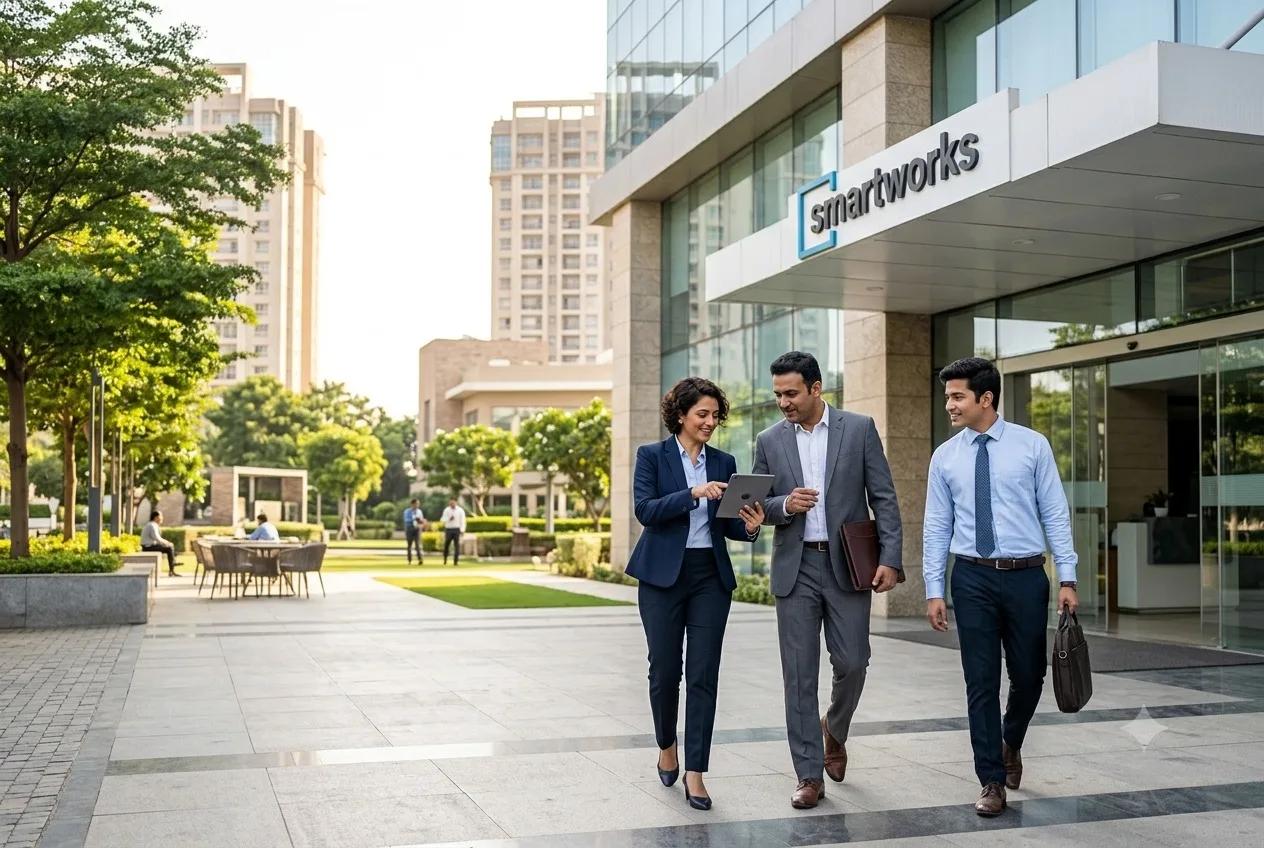
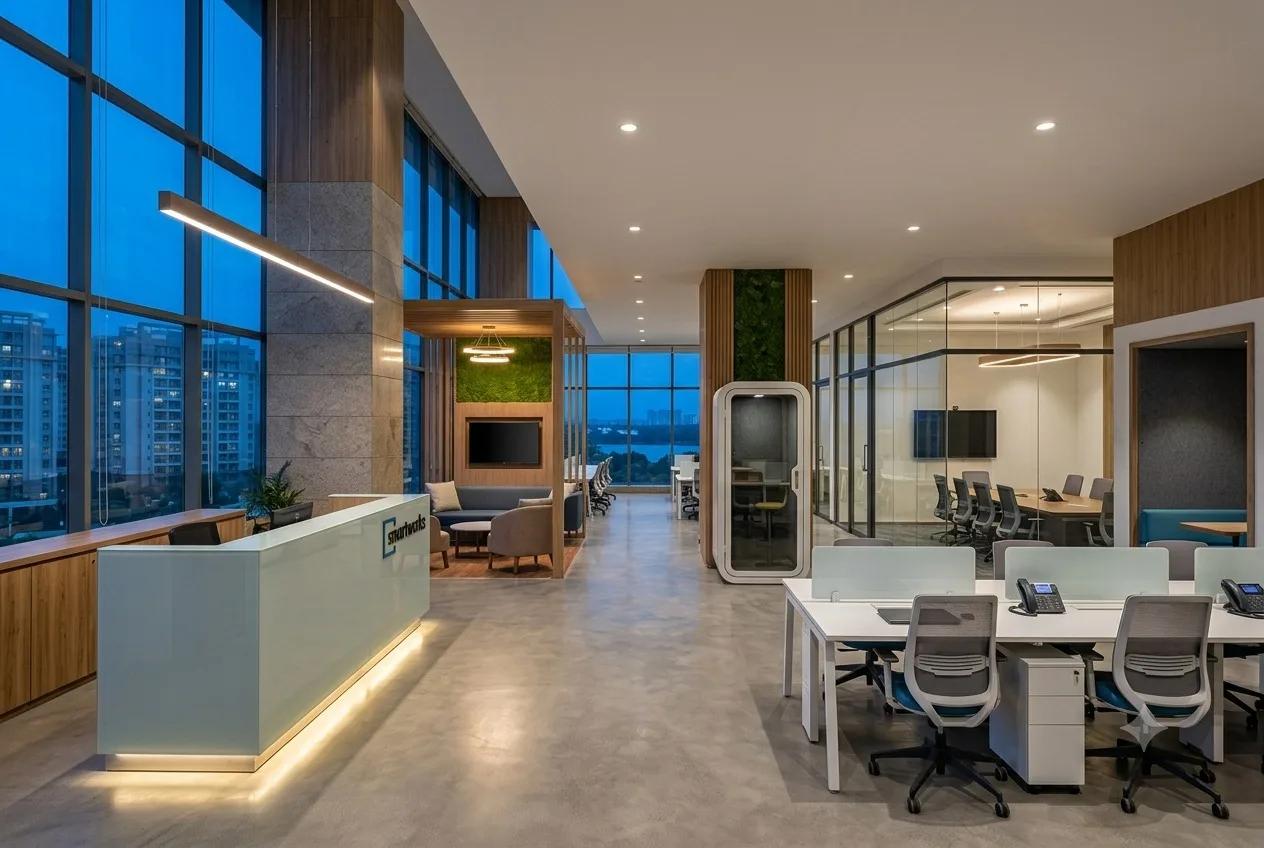
What used to be described as coworking space has evolved into something closer to enterprise infrastructure. Smartworks takes bare shell buildings from developers and turns them into fully finished, tech enabled campuses. Its Mumbai project with the Hiranandani Group, spanning over eight lakh square feet, is being pitched as one of the largest managed workspaces anywhere, which tells you the ambition here isn't modest.
Here's a detail that surprises people outside the sector. It's rarely small firms driving these numbers. Around two thirds of Smartworks' rental revenue comes from clients taking 300 seats or more, and these large occupiers tend to stay for close to four years on average. That kind of tenure changes how landlords think about risk entirely.
This Pune deal isn't happening in a vacuum. Coworking and managed office operators across seven major Indian cities leased a record volume of space in the first half of this year, well above what they took a year earlier. Flexible space, once considered a side bet, is now a mainstream leasing category that developers actively court.
Every large block absorbed by an operator like Smartworks tightens available Grade A inventory in that micro market. Landlords with quality buildings sitting vacant now have a credible anchor tenant type to chase, and rental yields in premium Pune corridors could feel the effect over the coming quarters. Developers slower to modernise their offerings may find themselves competing on price alone, which isn't a great position to be in.
For anyone tracking commercial real estate, this deal is a small but telling data point. It shows enterprise occupiers still favour flexibility over ownership, even as they commit serious money for years at a stretch. And it shows that Pune, often overshadowed by Bengaluru in headlines, keeps pulling its weight when the numbers actually get counted.
Expect more deals of this shape before the year ends, not fewer. Enterprise tenants have gotten comfortable with the managed campus model, and operators with strong balance sheets are the ones best placed to keep signing them.
Smartworks' 1.64 lakh sq ft expansion in Pune, backed by a ₹87.5 crore rental commitment, reflects a wider shift in office leasing trends across India. Enterprise occupiers are choosing managed office solutions over traditional leases, pushing flexible workspace India demand higher. Pune's role among top four markets for Grade A office Pune absorption keeps strengthening, supported by strong Colliers leasing data. This Smartworks Pune lease deal signals continued confidence in flex space as a long term, not temporary, commercial real estate strategy.


Find Detailed Answers to Frequently Asked Questions to Help You Make Smart and Confident Real Estate Decisions
The 1.64 lakh sq ft lease by Smartworks in Pune, with a substantial rental commitment, indicates a significant trend towards flexible, managed office spaces, particularly for large enterprise occupiers, and underscores Pune's strength as a key office market.
Pune is a crucial market for Smartworks due to its diverse economy, including IT services and manufacturing, and a steady talent pipeline, making it one of the top four cities for the company's rental income.
The blog states that coworking has evolved into 'managed campuses' or 'enterprise infrastructure,' where operators like Smartworks transform bare-shell buildings into fully finished, tech-enabled workspaces, catering to large enterprises rather than just startups.
The primary clients for these large flexible workspace leases are not small firms but large enterprises, with approximately two-thirds of Smartworks' rental revenue coming from clients occupying 300 seats or more, often with tenures of nearly four years.
Large leases by operators like Smartworks tighten the available Grade A inventory in Pune, making quality buildings more attractive to landlords. This can lead to increased rental yields in premium areas, while developers with outdated offerings may face tougher competition.