Mumbai's property market has a habit of surprising people who assume high prices should eventually slow buyers down. July just delivered another example, registrations touched roughly 13,600 units, the strongest July the city has seen in over fourteen years, and stamp duty collections crossed ₹1,200 crore alongside it.
Mumbai's July 2026 property registrations crossing 13,600 units, alongside stamp duty collections exceeding ₹1,200 crore, mark the city's strongest July performance in fourteen years. The shift toward higher value transactions, resilient buyer confidence despite monsoon disruptions, and steady long-term growth all point to a market that continues absorbing rising prices without losing momentum. For both homebuyers and the state exchequer, this data confirms Mumbai's residential demand remains genuinely durable.
Knight Frank's data puts July 2026 registrations at 13,617 units, an 8.3 percent jump over the same month last year. Stamp duty revenue came in around ₹1,223 crore, up nearly 9 percent year on year. What stands out is that this isn't a low base comparison either, July 2025 itself had already been a fairly strong month.
Context helps here. Mumbai registered just over 5,000 properties in July 2013, and that number has now more than doubled. Stamp duty collections during the same stretch have grown from roughly ₹287 crore to well past ₹1,200 crore. That's not the kind of jump that happens overnight, it reflects over a decade of steady, occasionally interrupted, growth in the city's formal property market.
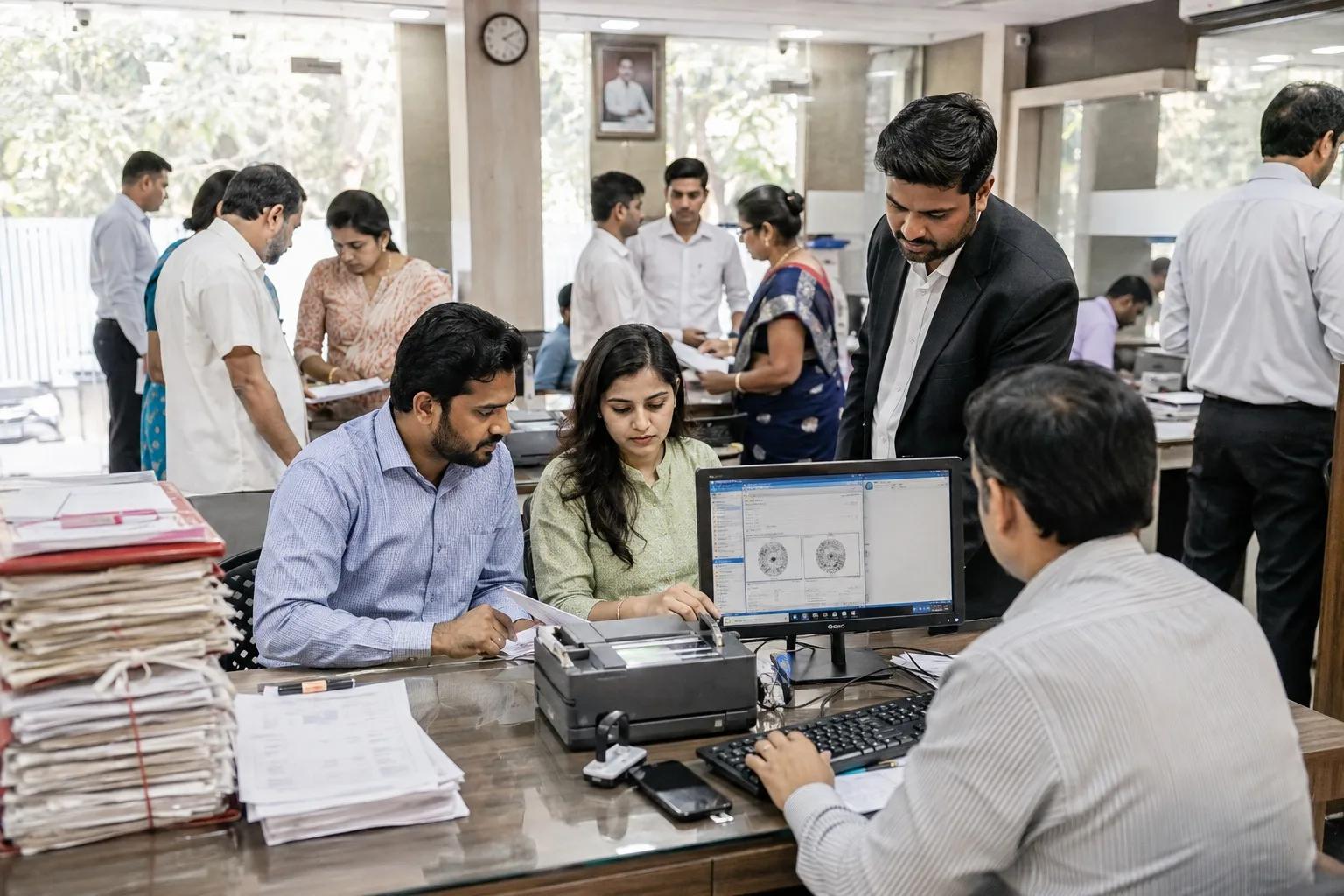
Registrations rose about 2 percent from June to July, but stamp duty collections jumped a much sharper 13 percent over the same period. That gap matters. It usually points to buyers shifting toward higher value homes rather than simply more people buying, since bigger ticket transactions generate proportionally more stamp duty even without a matching rise in unit count.
Knight Frank's leadership described this as proof of the city's residential market showing real depth, holding strong even against an already elevated comparison base from the previous year. That kind of resilience, especially in a month that typically sees monsoon related slowdowns in site visits and paperwork, suggests underlying homebuyer confidence hasn't wavered much despite steadily climbing prices across most micro markets.
July in Mumbai usually means flooded roads, delayed site visits, and buyers postponing decisions until the weather cooperates. That this month still managed a fourteen year high says something about how much of today's homebuying process has moved online, digital documentation, virtual site tours, quicker loan approvals, none of which existed in quite the same form a decade ago.
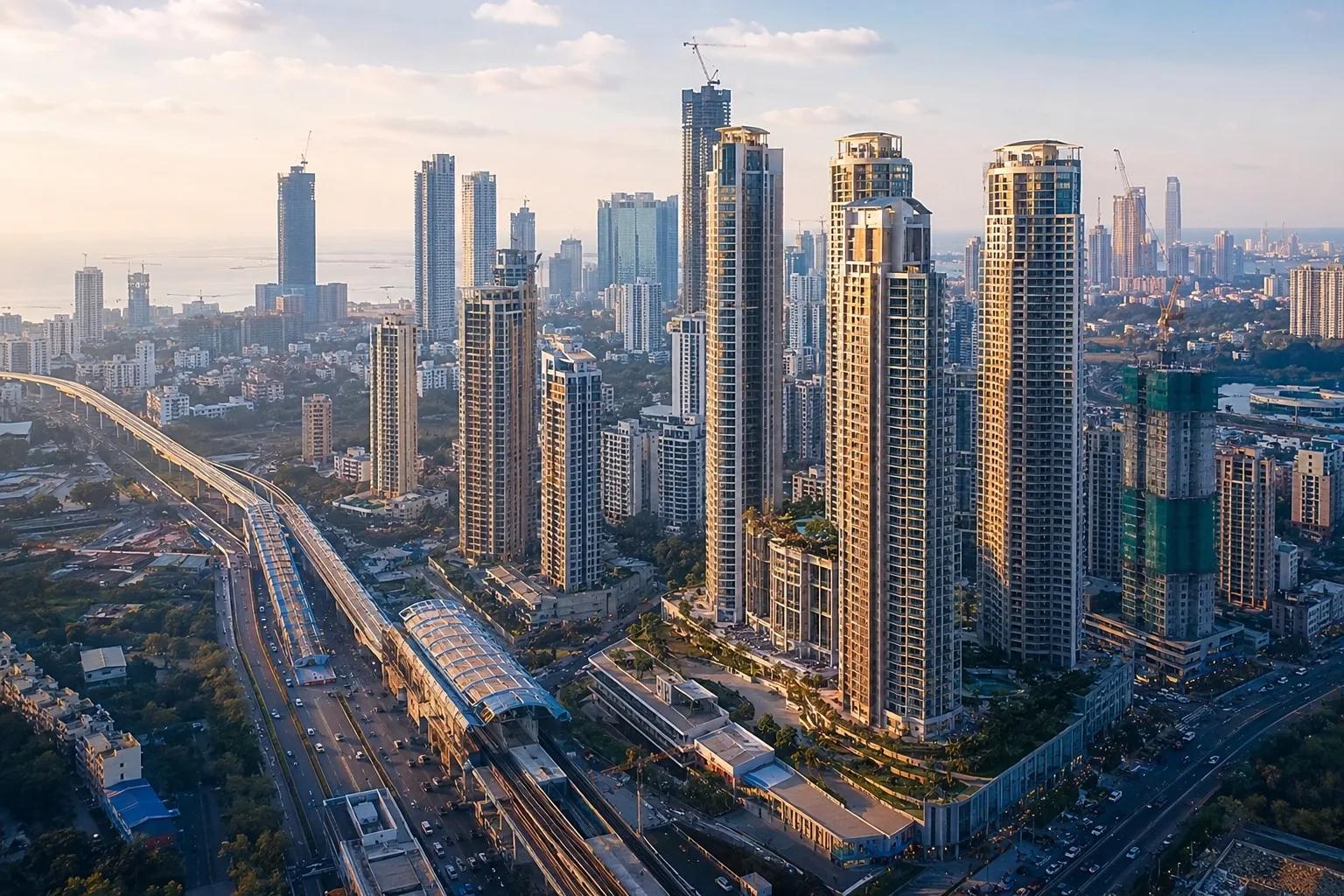
A registration surge like this often nudges sellers toward firmer pricing, since strong demand rarely encourages negotiation. If you've been waiting for a softer market before buying in Mumbai, this data suggests that wait might stretch longer than expected. That said, pockets within the city are still moving at different speeds, so a broad citywide trend doesn't mean every locality is equally hot.
It's easy to overlook, but this surge isn't just a real estate story, it's a fiscal one as well. Over ₹1,200 crore flowing into state coffers from a single month's registrations in one city gives Maharashtra meaningful budgetary breathing room, and consistent months like this one add up quickly across a full financial year.


Find Detailed Answers to Frequently Asked Questions to Help You Make Smart and Confident Real Estate Decisions
Mumbai's property market achieved its strongest July in over fourteen years, with approximately 13,600 property registrations and stamp duty collections exceeding ₹1,200 crore.
Property registrations in July have more than doubled from around 5,000 in 2013 to over 13,600 in July 2026. Stamp duty collections have grown from approximately ₹287 crore in July 2013 to over ₹1,200 crore in July 2026.
The sharper increase in stamp duty revenue compared to unit registrations suggests a shift towards higher-value home purchases, as these transactions generate proportionally more stamp duty.
Despite July typically seeing monsoon-related slowdowns, the record sales indicate a significant shift towards online processes like digital documentation, virtual tours, and quicker loan approvals, mitigating traditional weather impacts.
Strong demand and rising registrations suggest sellers may be less inclined to negotiate prices. Buyers hoping for a softer market might face a longer wait, though market conditions can vary across different city localities.
The over ₹1,200 crore collected in stamp duty from Mumbai's July property market provides significant budgetary support to Maharashtra, contributing to fiscal stability with consistent monthly collections.