Every monsoon, Mumbai and its satellite cities go through the same grim ritual. Buildings that quietly cracked and sagged over the year suddenly become emergencies once the rain starts pounding them daily. This year, it's Navi Mumbai's turn to sound the alarm, and the numbers are hard to ignore.
NMMC's urgent appeal to vacate 34 highly dangerous C-1 category buildings highlights a recurring monsoon crisis across Navi Mumbai and neighbouring civic zones. With utility disconnection now on the table and structural risk peaking during heavy rainfall, residents are being pushed toward immediate relocation. The episode is a sharp reminder for both current occupants and prospective buyers to check a building's structural audit status before treating affordability as the only factor that matters.
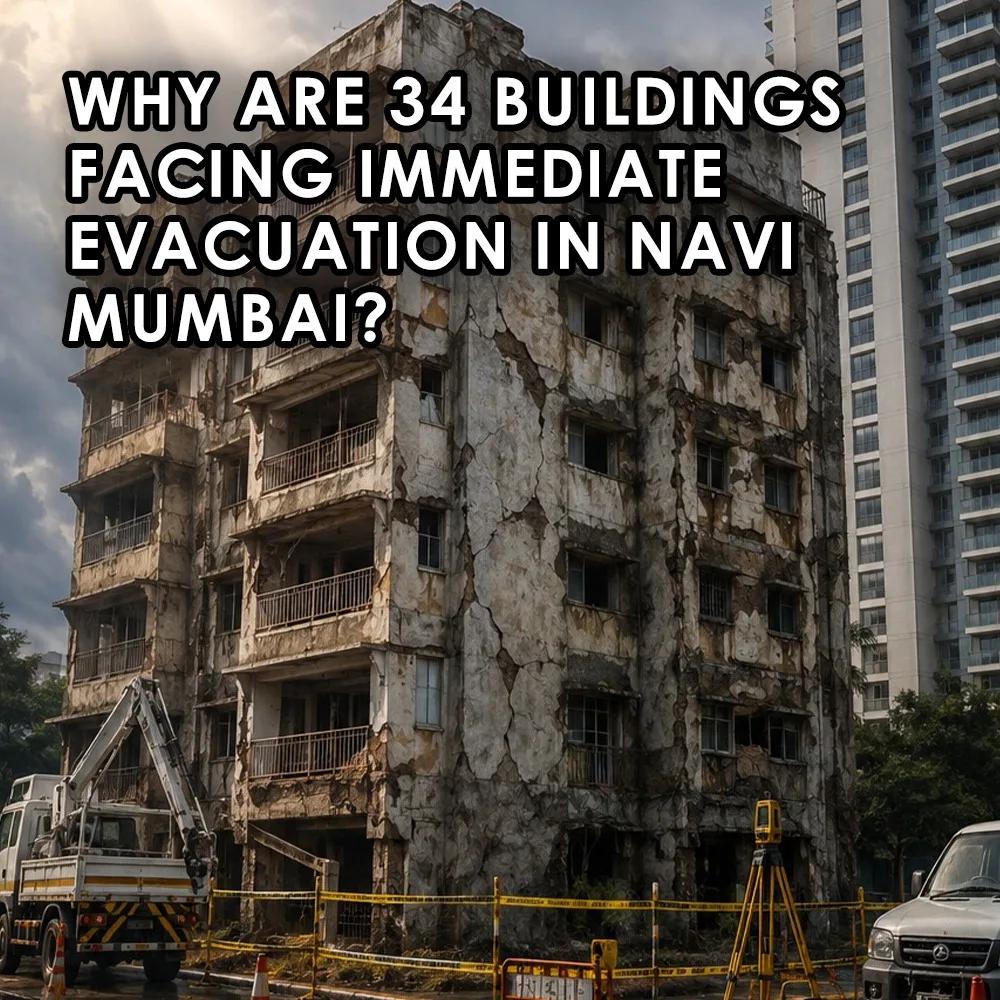
The Navi Mumbai Municipal Corporation has flagged 34 structures under what's called Category C-1, the classification reserved for buildings considered extremely dangerous and unfit to be lived in. Occupants have been told, in no uncertain terms, to vacate immediately. This isn't a routine advisory buried in a government gazette, it's a direct, urgent appeal aimed at people who may still be sleeping inside these structures tonight.
NMMC's notice draws on guidelines the Maharashtra Urban Development Department laid out back in November 2015, giving the civic body clear authority to act. Owners and occupants have already received formal notices instructing them to stop using these buildings and demolish them without further delay. Municipal Commissioner Dr Kailas Shinde was blunt about it, stating that public safety remains the administration's top concern and that continued occupation despite repeated warnings shifts all responsibility onto residents themselves.
What makes this appeal harder to ignore is the follow-through attached to it. NMMC has warned that electricity and water connections to these 34 buildings will be disconnected, a measure civic bodies across Maharashtra have leaned on before when gentler warnings failed to move people out. It's an uncomfortable tactic, cutting off basic utilities to force compliance, but it reflects how seriously officials are treating the collapse risk this year.
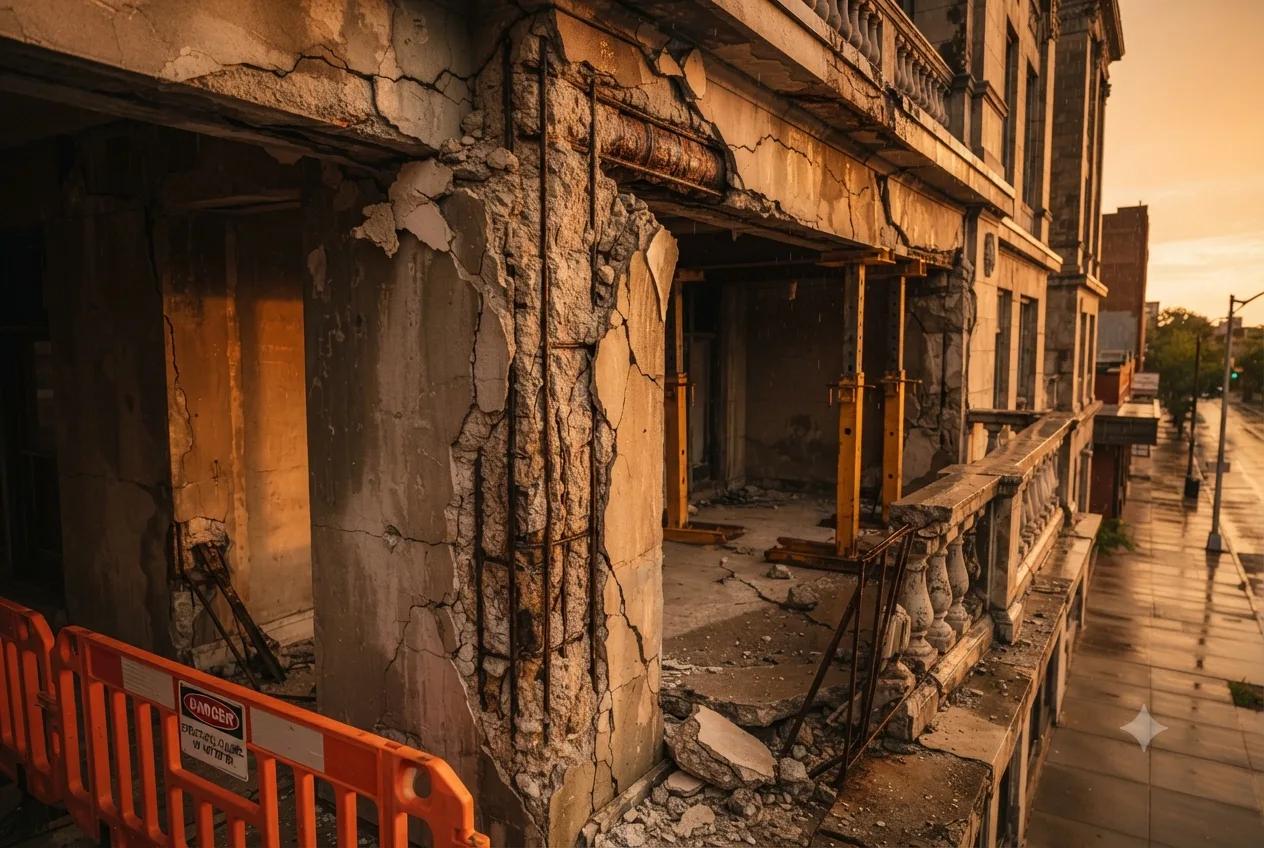
Structural decay doesn't wait for a particular season, but water accelerates it in ways dry weather never does. Seepage weakens concrete, rusts embedded steel reinforcement, and adds sudden load to slabs already stretched thin by years of neglect. A building that survives eight months of the year without visible trouble can become a genuine death trap the moment sustained rainfall sets in, which is exactly the window Navi Mumbai finds itself in right now.
Zoom out even slightly and the picture gets bigger. Neighbouring Panvel identified 64 buildings in the same C-1 category this season, while Thane ordered evacuation of dozens of high-risk structures earlier this year following a deadly building collapse in Virar that claimed 17 lives. Kalyan-Dombivli's jurisdiction alone reportedly carries several hundred structures flagged as dangerous to varying degrees. Navi Mumbai's 34 buildings aren't a standalone crisis, they're one visible piece of a much larger regional pattern nobody has fully solved.
It's easy to ask why anyone would stay in a building officially declared dangerous, but the honest answer usually involves money and options, or the lack of both. Many occupants in these older structures don't have a clear rehabilitation plan waiting for them elsewhere, and shifting suddenly means finding rent, deposits, and a new locality on short notice. Civic bodies have historically struggled with this gap, often relying on temporary shelters like community halls rather than structured relocation support.
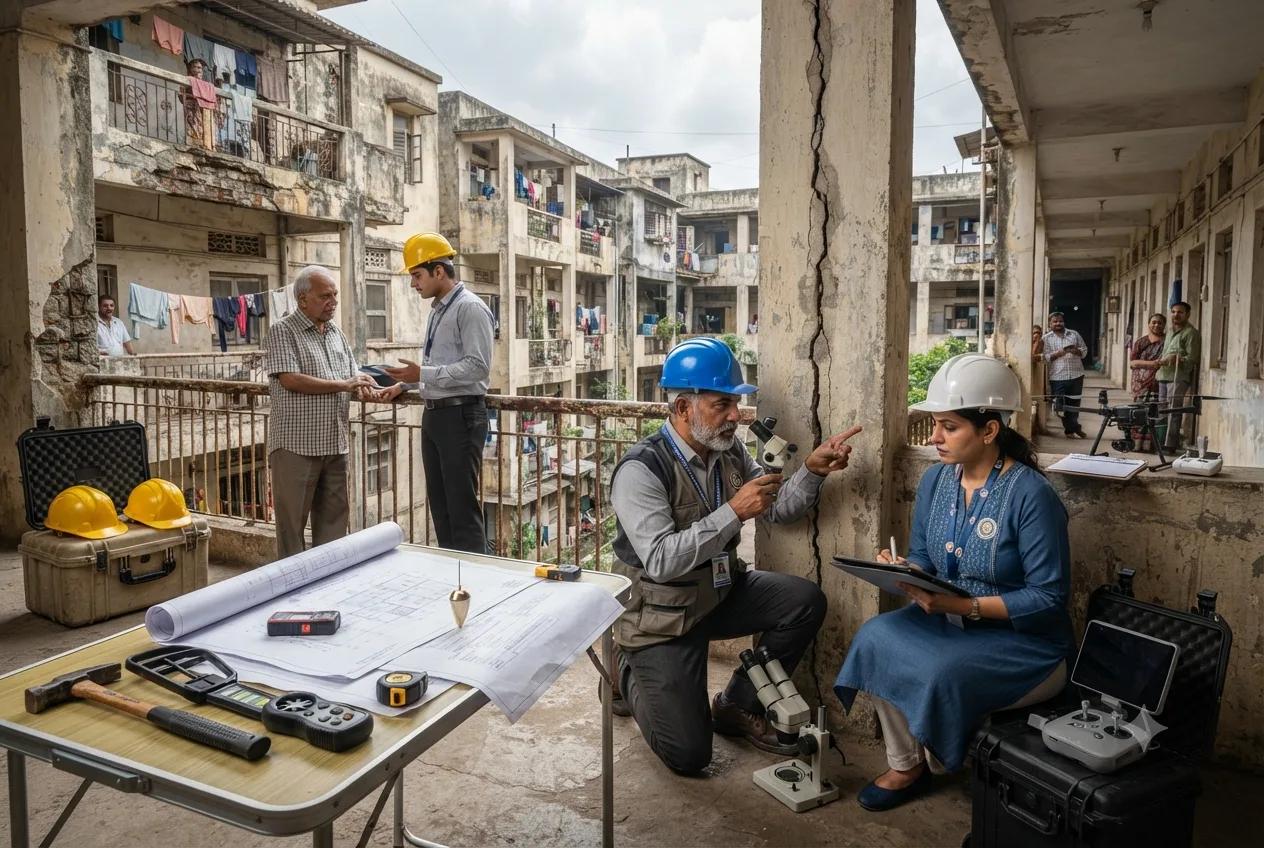
For anyone currently evaluating older housing stock in Navi Mumbai, this is a useful nudge to actually ask about a building's structural audit history before signing anything. A lower rent on an aging structure can look tempting until you're the one facing an eviction notice during peak monsoon. Newer buyers should also factor in that redevelopment activity around flagged zones tends to pick up once demolition becomes unavoidable, which can shift neighbourhood dynamics over the next few years.
Notices like this one raise an uncomfortable question that rarely gets a satisfying answer, who was responsible for letting these buildings deteriorate this far in the first place? Owners, housing societies, and civic oversight all share some blame in most cases, yet enforcement usually arrives only after risk has become undeniable rather than early enough to prevent it.
NMMC's urgent appeal to vacate 34 highly dangerous C-1 category buildings highlights a recurring monsoon crisis across Navi Mumbai and neighbouring civic zones. With utility disconnection now on the table and structural risk peaking during heavy rainfall, residents are being pushed toward immediate relocation. The episode is a sharp reminder for both current occupants and prospective buyers to check a building's structural audit status before treating affordability as the only factor that matters.


Find Detailed Answers to Frequently Asked Questions to Help You Make Smart and Confident Real Estate Decisions
The Navi Mumbai Municipal Corporation (NMMC) has identified and ordered the evacuation of 34 buildings classified as extremely dangerous (Category C-1).
The NMMC's actions are based on guidelines from the Maharashtra Urban Development Department and focus on ensuring public safety during the monsoon season.
Besides issuing formal notices, the NMMC is prepared to disconnect electricity and water supply to these dangerous structures to compel occupants to vacate.
Monsoon rains accelerate structural decay through seepage, weakening concrete and rusting steel, turning potentially compromised buildings into death traps.
No, this is a wider regional problem. Neighboring areas like Panvel, Thane, Kalyan-Dombivli have also identified numerous dangerous buildings this season.
Residents often lack immediate relocation options, financial resources for rent and deposits, and a clear rehabilitation plan, making it difficult to leave on short notice.
Prospective buyers should always inquire about a building's structural audit history and be wary of older, aging structures, as affordability shouldn't be the sole deciding factor.