Numbers can tell two very different stories depending on which line you're reading, and DLF's latest quarterly results are a textbook case of exactly that. Profit went up, yet almost every operational metric that actually signals housing demand fell off a cliff. So which version of the story should investors and homebuyers actually believe?
DLF's Q1 FY27 results paint a company where profit rose even as revenue and pre-sales fell sharply, largely because deferred project launches, not weak demand, drove the bookings collapse. Strong rental income and a healthy cash position cushioned the quarter, while management continues pointing to an active launch pipeline ahead. For buyers and investors tracking DLF, the real signal to watch now is how quickly those pending approvals translate into actual project launches.
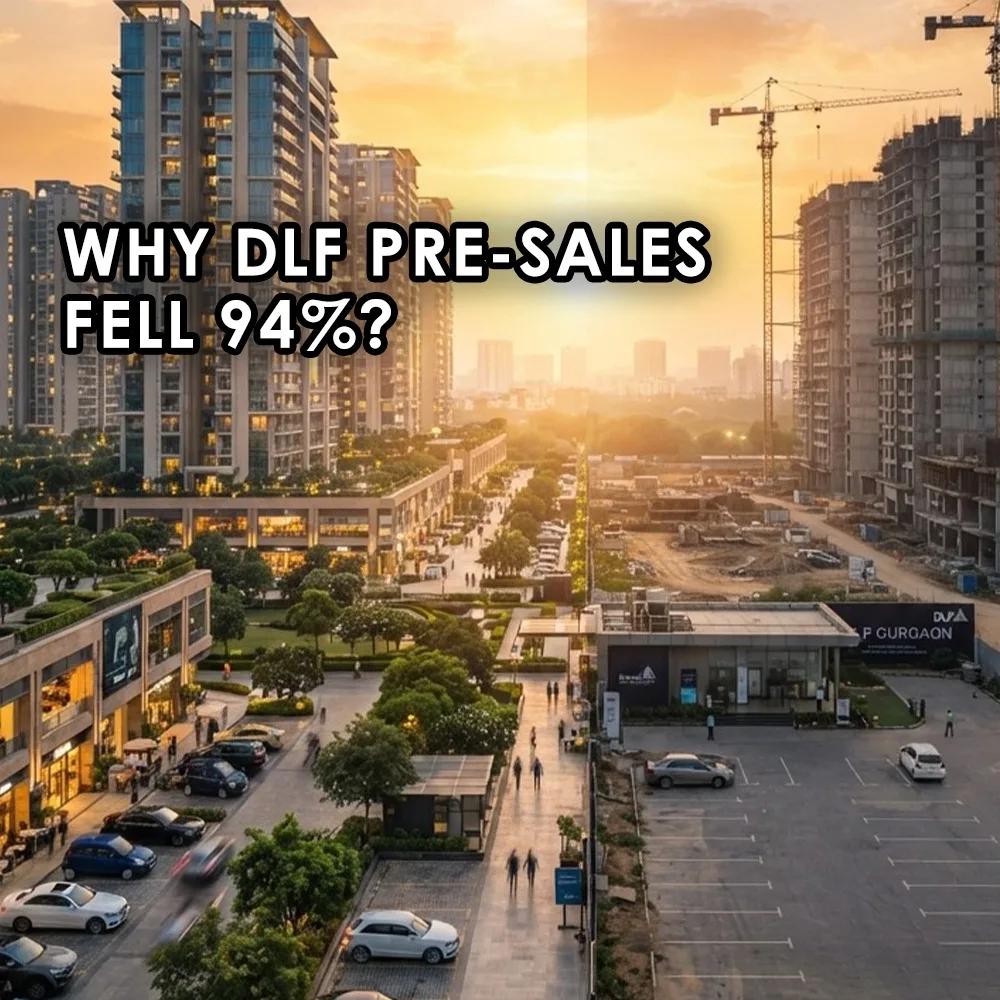
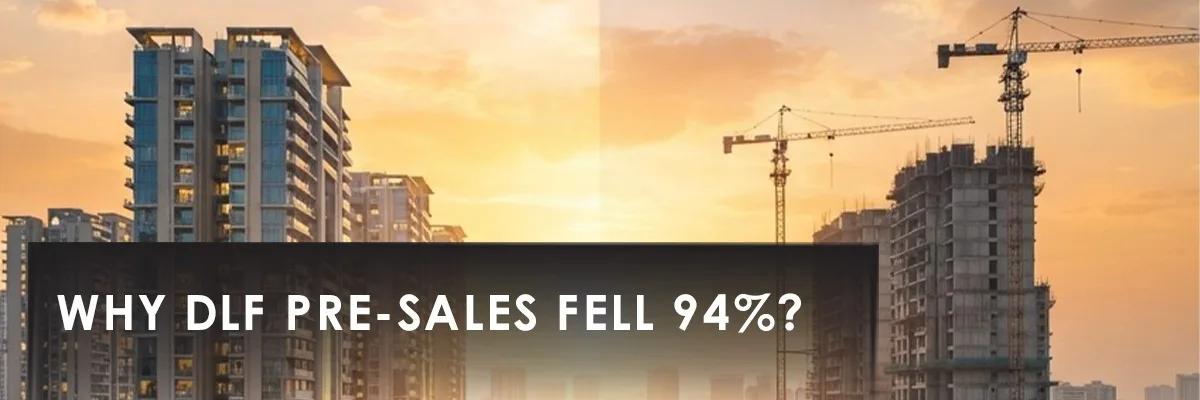
For the quarter ended June 2026, DLF's consolidated net profit rose roughly 4 percent to ₹794 crore, edging up from ₹763 crore a year earlier. Revenue from operations, meanwhile, told a much rougher story, sliding close to 53 percent to ₹1,280 crore compared to ₹2,717 crore in the same quarter last year. And new sales bookings, arguably the number that matters most to anyone tracking real demand, collapsed nearly 94 percent to just ₹657 crore, down sharply from ₹11,425 crore a year ago.
This is where the story gets genuinely interesting rather than simply worrying. DLF's profit held up mainly because of a jump in income from its joint ventures and associate companies, which climbed to roughly ₹486 crore from around ₹381 crore the previous year. In other words, the company's core development business had a weak quarter, but other parts of its financial structure quietly picked up the slack.
DLF itself attributed the near total wipeout in pre-sales to deferred project launches rather than a genuine demand slump. That distinction matters a lot. A company choosing to delay launches while waiting for approvals is a very different situation from a company launching projects that simply aren't finding buyers, even though both scenarios look identical on a bookings chart.

While the development side stumbled, DLF's rental arm, DLF Cyber City Developers, kept performing solidly. It posted revenue of around ₹1,917 crore for the quarter with EBITDA growing roughly 9 percent year on year, and net profit rising about 21 percent to ₹717 crore. The company's rental portfolio spans close to 50 million square feet and is running at nearly 95 percent occupancy, which is the kind of steady, almost boring performance that balances out a volatile quarter on the development side.
Despite the rough top line, DLF's net cash position actually improved to around ₹15,200 crore by the end of the quarter. That's not a company scrambling for liquidity, it's a company sitting on a fairly thick cushion while it waits for approvals and market conditions to align for its next wave of launches.
Chairman Rajiv Singh's comments around the results leaned cautiously optimistic, pointing to continued customer demand and a defined launch pipeline as reasons for confidence going forward. Whether that confidence proves justified really hinges on how quickly those delayed approvals actually come through, because a pipeline sitting on paper doesn't generate bookings until projects are physically launched.

If you've been waiting for a DLF launch in Gurugram or elsewhere, this quarter's numbers hint that new supply may be arriving later than initially expected. That's not necessarily bad news for buyers, delayed launches sometimes mean developers fine-tune pricing and specifications more carefully before going to market. It's worth staying alert to official launch announcements rather than assuming projects mentioned months ago are imminent.
The market's reaction, DLF shares actually closed higher despite the weak revenue print, suggests investors are looking past this quarter's numbers toward the pipeline management keeps referencing. That's a reasonable bet if the delayed launches materialise on schedule, but it does mean near-term volatility remains a real possibility if approvals slip further.
DLF's Q1 FY27 results paint a company where profit rose even as revenue and pre-sales fell sharply, largely because deferred project launches, not weak demand, drove the bookings collapse. Strong rental income and a healthy cash position cushioned the quarter, while management continues pointing to an active launch pipeline ahead. For buyers and investors tracking DLF, the real signal to watch now is how quickly those pending approvals translate into actual project launches.


Find Detailed Answers to Frequently Asked Questions to Help You Make Smart and Confident Real Estate Decisions
DLF's profit growth was primarily due to increased income from joint ventures and associate companies, alongside a strong performance from its rental business, which offset a weaker quarter for its core development operations.
DLF attributed the sharp decline in pre-sales to the deferral of project launches rather than a lack of buyer demand. This means the company chose to delay new projects, impacting bookings.
The rental arm, DLF Cyber City Developers, is performing solidly with significant revenue and profit growth, providing a stable income stream that balances the volatility experienced in the development sector.
Despite a tough quarter for development sales, DLF maintains a strong net cash position and has a pipeline of projects. The key factor for future launches will be the speed at which delayed approvals are secured.
Homebuyers should be aware that new project launches might be delayed, potentially offering opportunities for refined pricing. Investors are looking past current weak sales towards the future pipeline, but near-term volatility is possible if approvals lag.