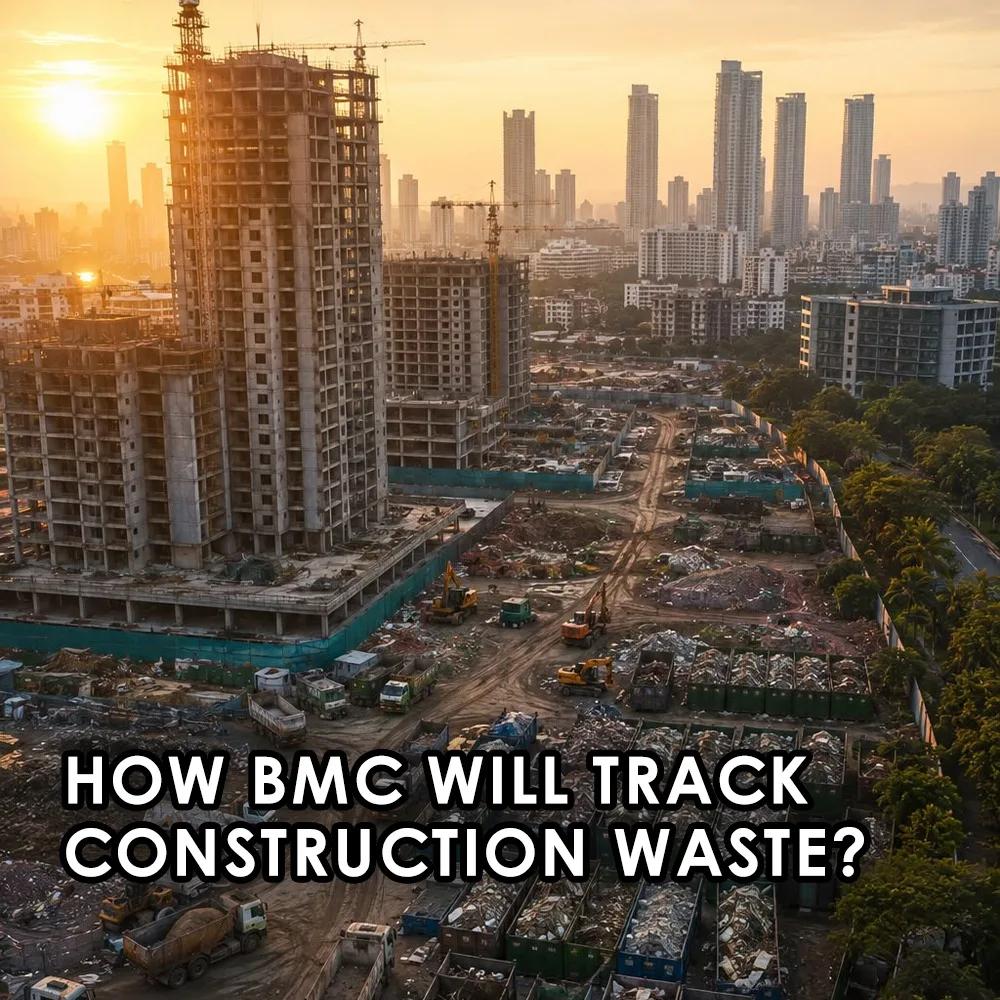
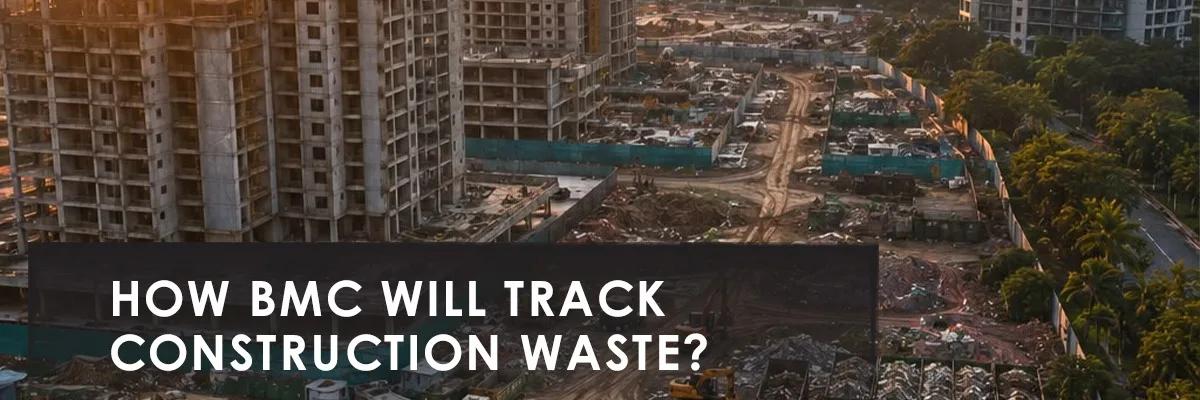
Mumbai builds at a pace few cities on earth can match. Metro lines, road concretisation, large-scale redevelopment projects, and excavation work across every corner of the city generate a volume of construction debris that has quietly crossed a remarkable threshold. BMC construction waste data now puts daily generation at nearly 8,000 metric tonnes of construction and demolition material, a figure that has nudged past Mumbai's total daily municipal solid waste output. The city produces more building rubble than garbage, and unlike garbage, it has no reliable system to handle it. That is about to change.
Mumbai's new digital portal for construction waste management will track debris from generation to disposal, aiming to curb illegal dumping and ensure compliance.
Until very recently, construction debris in Mumbai occupied a legal grey zone. Developers, contractors, and infrastructure agencies generated it. Trucks collected it. And much of it quietly disappeared into illegal dump sites outside city limits, onto coastal stretches, or into nullah beds. Nobody was tracking the chain from generation to disposal in any systematic way. Five years ago, daily C&D waste generation in Mumbai was estimated at 1,200 to 1,300 tonnes. That volume has since climbed to nearly seven times that level, driven by the Metro network expansion, highway widening, and the redevelopment wave sweeping across the western and central suburbs.
The Bombay High Court took suo motu cognisance of Mumbai's worsening air pollution and directed a high-level committee to address the construction waste dimension specifically. BMC responded with a concrete plan.
The BMC C&D waste management portal 2026 is designed as an end-to-end digital tracking system covering every stage of debris movement. Trace Resource Management Private Limited has been awarded the Rs 1.11 crore contract to build and operate the platform. The system will function through both a web portal and dedicated mobile applications, integrated directly with BMC's existing AutoDCR building permission system, its GIS database, financial systems, and the Vehicle Tracking and Monitoring System, known as VTMS.
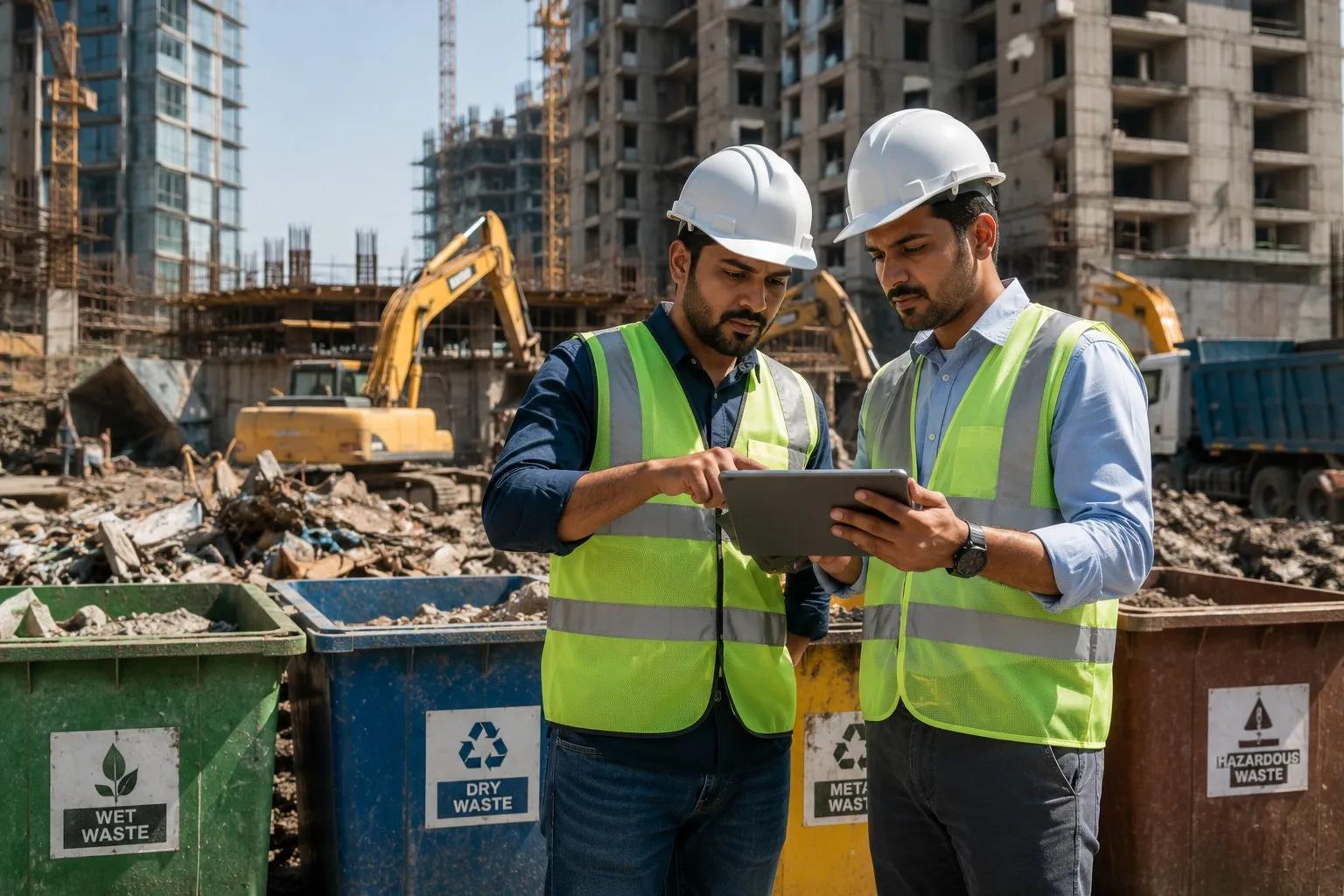
Every developer, architect, project management consultant, and government infrastructure agency including MMRDA, MHADA, the Metro Rail Corporation, MIDC, Bombay Port Trust, and the Railways will be required to register on the portal and file data about the quantity of debris they generate, how it is being transported, and where it is going for processing or disposal. This mandatory registration applies to both private and government construction activity.
Trucks carrying construction debris will be fitted with VTMS devices, allowing real-time location tracking from the point of material pickup to the disposal or processing facility. Violations detected through the system will attract penalties including stop-work notices, suspension of construction permits, and forfeiture of bank guarantees deposited at the time of building plan approval.
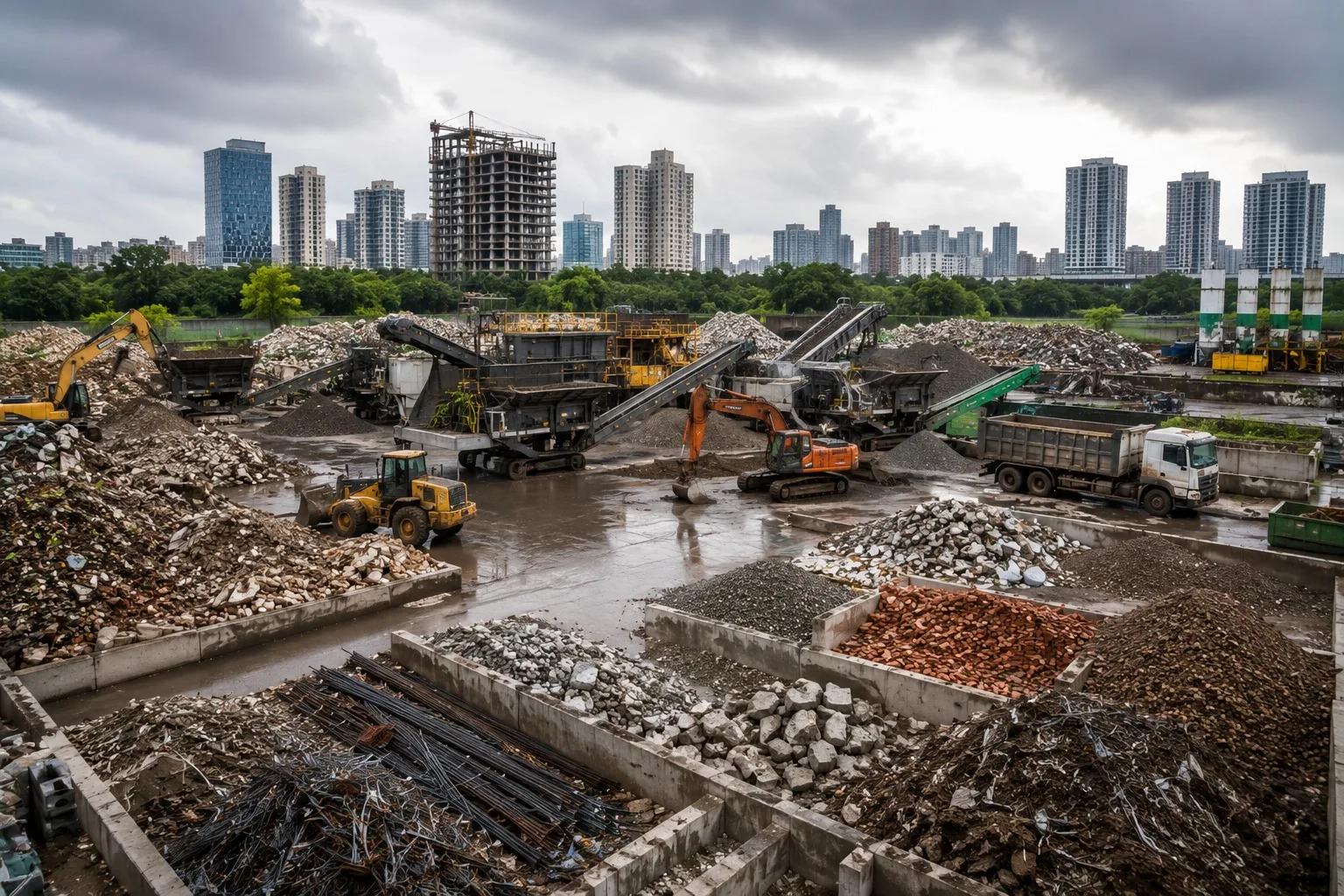
Impact of BMC C&D waste portal on real estate developers in Mumbai will be felt across two dimensions. Compliance costs will increase marginally as developers bring waste logistics into documented channels and use registered transporters equipped with GPS. But the larger impact is a reduction in the risk of enforcement action. Illegal dumping fines and permit suspension are far more expensive than compliant disposal, and the new system makes non-compliance significantly harder to conceal.
The initiative is modelled partly on Delhi's Malba Portal, which has shown measurable improvements in debris tracing and illegal dumping reduction since its launch. Mumbai's version adds the VTMS integration layer, which is more technologically ambitious than the Delhi model.
BMC Mumbai launches single portal for construction waste monitoring July 2026 in response to a debris crisis where Mumbai construction demolition waste 8000 metric tonnes daily exceeds the city's entire domestic garbage output. How BMC digital portal will track construction debris in Mumbai centres on mandatory developer registration, VTMS-fitted transport vehicles, AutoDCR integration, and real-time monitoring from generation to disposal. BMC integrated waste portal AutoDCR VTMS construction debris Mumbai brings every major infrastructure agency including MMRDA, MHADA, and Metro Rail under one compliance framework. For the real estate sector, this is the moment documentation catches up with the scale of what Mumbai is building.


Find Detailed Answers to Frequently Asked Questions to Help You Make Smart and Confident Real Estate Decisions
Mumbai generates nearly 8,000 metric tonnes of construction and demolition waste daily, surpassing its total municipal solid waste output.
The portal will feature mandatory registration for all stakeholders, real-time tracking of transport vehicles via VTMS, and integration with existing BMC systems for end-to-end monitoring.
All developers, architects, project management consultants, and government infrastructure agencies in Mumbai, including MMRDA, MHADA, and Metro Rail, must register and report their debris generation and disposal.
Violations detected through the system can lead to penalties such as stop-work notices, suspension of construction permits, and forfeiture of bank guarantees.
While compliance costs may increase slightly, developers will benefit from reduced risk of penalties and enforcement actions associated with illegal dumping.