Dharavi Didi: AI Bridging Information Gaps in Redevelopment
When a Redevelopment Project Learns to Speak Your Language
Ask anyone living through Dharavi's transformation and they'll admit the hardest part isn't the paperwork, it's the not knowing. Whose house got surveyed, who qualifies for what, when the next update lands. That gap between rumour and reality just got a serious new fix.
A Companion Built for a Community, Not a Website
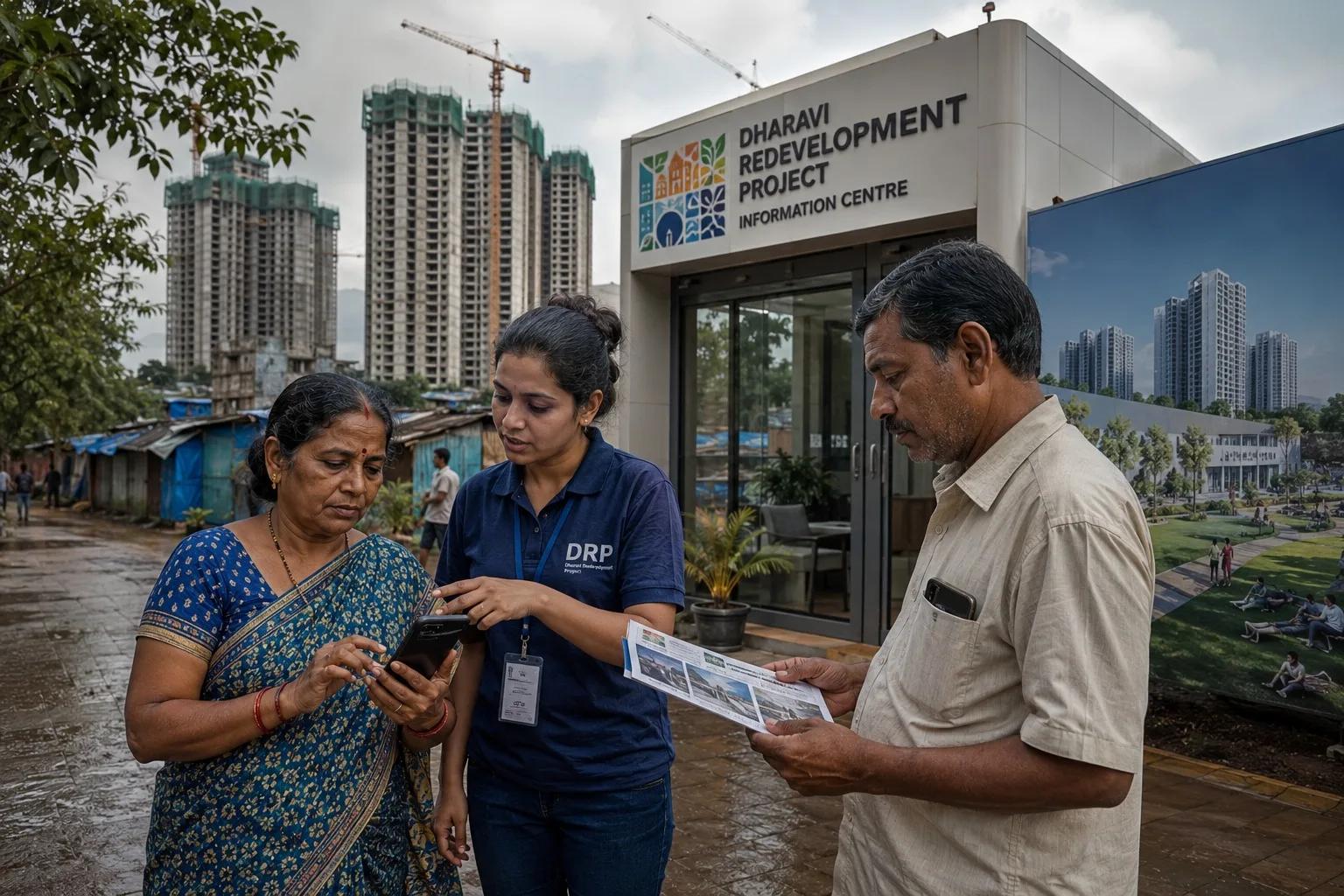
Adani Navbharat Developers, the company steering the Dharavi Redevelopment Project, has rolled out something called Dharavi Didi. It's an AI assistant that runs round the clock, and residents can reach it through video calls, voice calls, or something as everyday as WhatsApp. No login walls, no waiting for a counter to open.
Why the Name Matters More Than It Seems
Calling it "Didi" wasn't accidental. The company wanted residents to feel they're talking to someone patient and familiar, not a chatbot reciting policy. In a project this size, that emotional framing does real work, because trust has been in short supply here for years.
What It Actually Answers
Residents can ask about survey status, eligibility for rehabilitation, which documents they still need to submit, and where their case stands in the broader timeline. These are the exact questions that used to bounce between neighbours, local leaders, and half-true WhatsApp forwards. Now there's one source residents can check without stepping outside.
The Language Barrier Just Got Smaller
Right now the assistant works in Hindi, Marathi, and English, which covers a large share of Dharavi's population already. Tamil, Telugu, and Gujarati are expected to join in the coming months, and that expansion says something about how mixed this neighbourhood's linguistic makeup actually is. A redevelopment tool that only spoke one language would have failed half its audience before it even started.
Designed for People Who Aren't Digital Natives
What stands out is the deliberate simplicity. The platform was built for first-time smartphone users, people who might never have used an app to talk to a company before. That's a fair design call, since a huge chunk of Dharavi's residents are stepping into formal digital systems for the very first time through this exact project.
Rumours Have Been the Real Enemy Here
Long before this tool existed, misinformation travelled faster than facts in Dharavi. Someone would hear their block wasn't surveyed, panic would spread, and by evening half the lane believed something that was never true. An always-on verified channel doesn't erase every rumour, but it gives residents somewhere reliable to check before believing the loudest voice in the room.
One Piece of a Much Bigger, More Contested Project
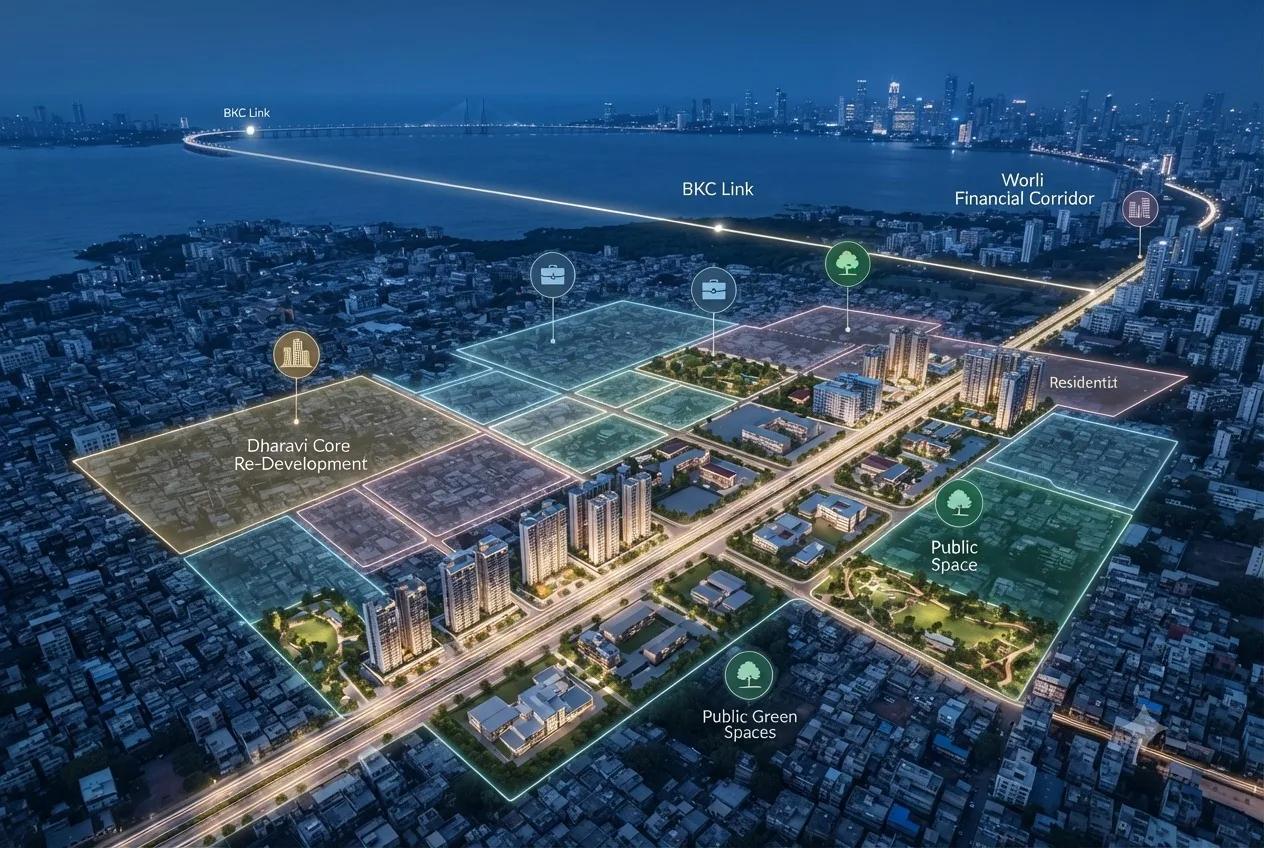
It's worth remembering that Dharavi's redevelopment hasn't been without pushback. Political opposition and public protests have shadowed the project for years, with critics questioning who really benefits from the deal structure. Dharavi Didi doesn't settle that larger debate, but it does address one narrower complaint that even critics rarely dispute, residents deserve faster and clearer answers about their own homes.
What This Signals for Future Urban Projects
Large redevelopment schemes across Indian cities tend to struggle with the same communication gap once construction actually begins. If this AI-led approach genuinely reduces confusion in a project as complex as Dharavi's, other urban renewal efforts, from Mumbai's other slum rehabilitation zones to redevelopment pockets in cities like Pune or Ahmedabad, may start borrowing the idea. Technology solving a trust problem, rather than just a convenience problem, is the more interesting story here.
Summary
Dharavi Didi marks a genuine shift in how large scale urban redevelopment communicates with the people it affects most. By offering round the clock, multilingual, verified answers on surveys, eligibility, and documentation through WhatsApp and voice calls, Adani Navbharat Developers is tackling misinformation directly rather than leaving residents to piece together rumours. For a project of Dharavi's scale and sensitivity, giving residents one trustworthy place to ask questions could matter just as much as the construction timeline itself.