A friend recently sold his two year old 2 BHK to move into a 3 BHK, and when I asked why so soon, he just shrugged and said the old place stopped feeling like enough. That shrug, oddly enough, sums up where India's housing market is right right now.
The Numbers Behind the Feeling
The average ticket size for homes in India's Tier 1 cities climbed from around 1.13 crore in 2023 to roughly 1.47 crore in 2025. What's striking is that this happened even as the total number of units sold dipped slightly. People are simply spending more per home, not necessarily buying more homes, and that distinction says a lot about mindset.
It's Not About Needing More Space Anymore
For years, the upgrade story was purely functional, a growing family needed an extra room, that's it. Now the reasoning has shifted toward something closer to lifestyle curation. Buyers care about developer track record, professionally managed communities, sustainability features, and smart home tech almost as much as square footage itself.
Homes Above a Crore Are No Longer Rare
In the first half of 2026, homes priced above one crore rupees accounted for 54 percent of total sales, up from 49 percent just a year earlier. That's a meaningful jump in such a short window. Meanwhile the sub 50 lakh segment has been quietly losing ground, both in buyer interest and in what developers are choosing to build.
Income Growth Is Only Part of the Story
Sure, rising incomes explain some of this shift, but they don't explain all of it. Hybrid work has made people reconsider what a home actually needs to do all day, host video calls, double as a gym corner, absorb kids doing online classes. A cramped 2 BHK simply can't stretch to cover all of that comfortably anymore.
NRIs and HNIs Are Quietly Setting the Pace
Developers keep pointing to NRI and HNI demand as a strong undercurrent pushing premiumisation forward. Rupee depreciation has made Indian property look like relatively good value to overseas buyers, and that confidence trickles down into pricing expectations across entire micro markets. When a handful of buyers are willing to pay more for the same address, everyone else's benchmark quietly shifts too.
The Loan Math Has Gotten a Little Kinder
Interest rate movements over the past couple of years have made borrowing marginally cheaper, and that alone changes how people size their budget. A slightly lower EMI on a bigger loan doesn't feel that different from what someone was paying earlier on a smaller flat. That psychological gap closing is honestly underrated as a factor in this whole upgrade wave.
Cities Are Not All Moving at the Same Speed
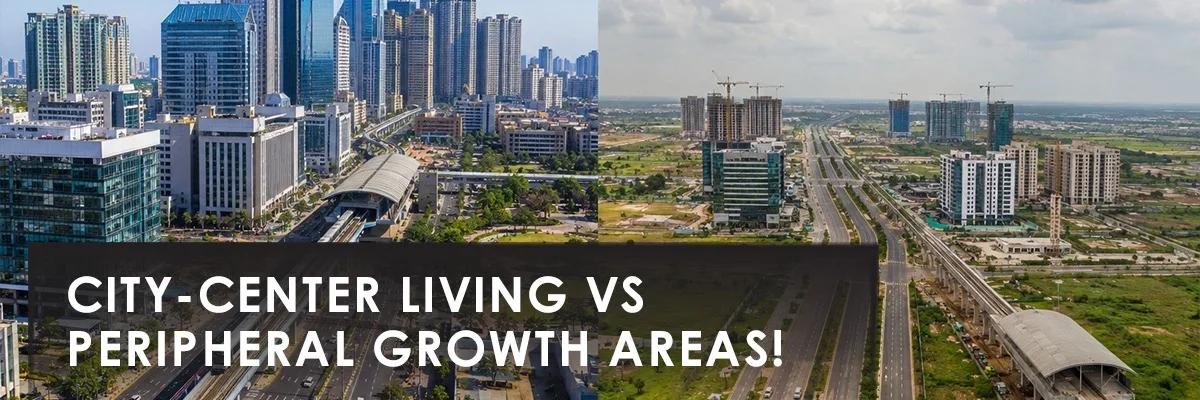
NCR, Bengaluru, Hyderabad, Mumbai, and Chennai are leading this shift toward 3 BHK and larger configurations, but peripheral and mid income markets still lean heavily on 2 BHK affordability. It would be a mistake to assume every Indian buyer is chasing a bigger flat, plenty are still just trying to buy their first one. The upgrade story belongs mostly to repeat buyers who already have equity working in their favour.
What This Means If You're Thinking of Upgrading Too
If you already own a home and you're eyeing something bigger, you're not being impulsive, you're actually following a fairly well documented market pattern. That said, it's worth checking whether your reasons are about genuine need or just watching everyone around you trade up. A bigger home is a serious financial commitment, and FOMO is a poor foundation for a multi decade loan.
Summary
India's housing market 2026 is clearly tilting toward premiumisation, with average ticket sizes rising sharply and homes above one crore now making up more than half of total sales. This isn't just about rising incomes, it reflects changing lifestyle priorities, hybrid work needs, and stronger buyer confidence in larger, better managed homes. For anyone weighing a similar home upgrade, understanding this broader shift helps separate a smart financial decision from simple market pressure.