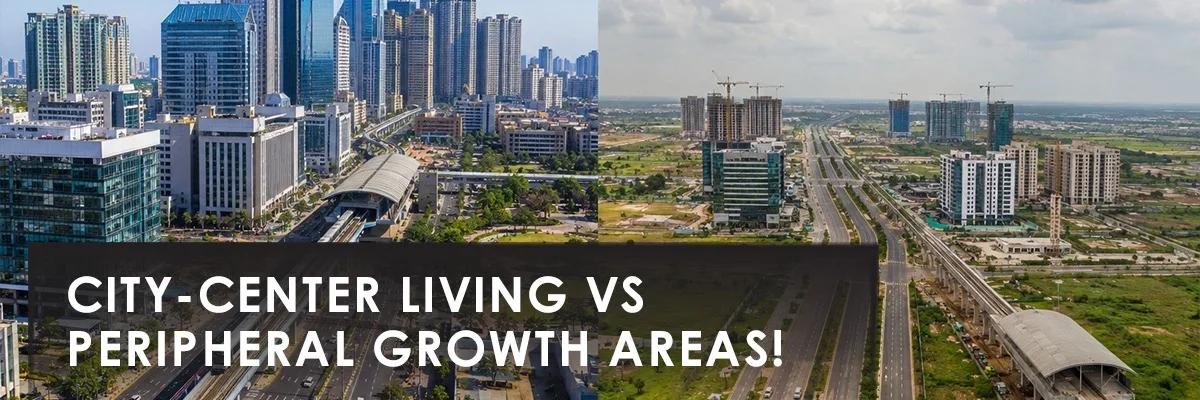
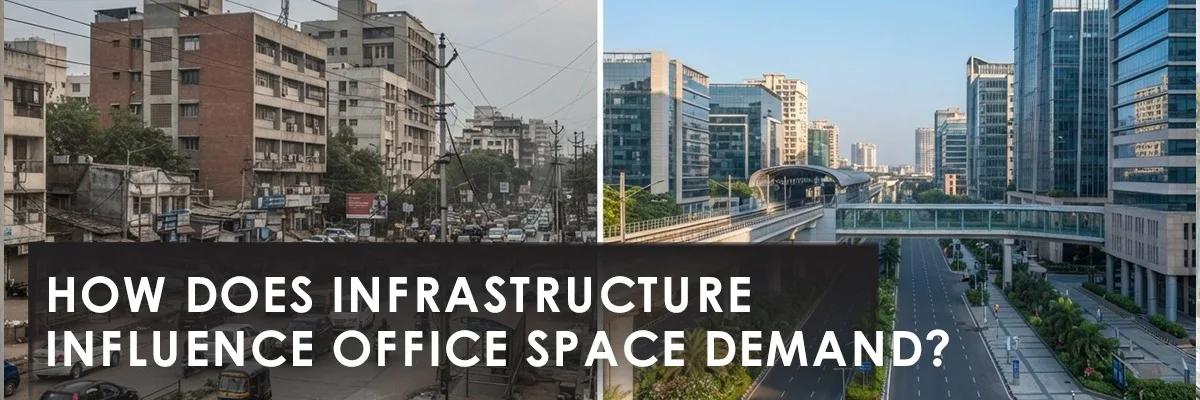
Ask any Mumbai broker where a BFSI firm should set up shop and you'll get an instant answer, BKC, no debate. Ask the same question about a media company or a fast growing D2C brand, and suddenly Lower Parel enters the conversation just as confidently. That split tells you almost everything about how these two markets actually work.
Two Different Reasons to Exist
BKC was built from scratch as a planned financial district, and it shows in everything from road width to building uniformity. Lower Parel, on the other hand, grew out of Mumbai's old mill lands, and that industrial history still shapes its slightly rougher, more eclectic character even today. One location was designed top down, the other evolved organically, and tenants feel that difference the moment they walk in.
Who Actually Sits in BKC
BKC functions as Mumbai's financial nerve centre, hosting SEBI, major exchanges, global banks, and top tier consulting firms that genuinely need to be near regulators and each other. Recent lease filings show rents here regularly crossing 800 rupees per square foot per month for premium addresses, with weighted average quoted rents typically running in the 250 to 400 range for standard Grade A stock. That's not a small premium, it's roughly double what comparable space costs in several other business districts across the city.
Lower Parel's Different Kind of Pull
Lower Parel and neighbouring Worli have transformed from an old mill district into a genuine corporate and media hub, anchored heavily by developments like Phoenix Mills. Office rents here run noticeably lower than BKC's premium bands, though still firmly in the expensive category by Mumbai standards. What tenants get in exchange is a livelier surrounding ecosystem, more restaurants, retail, and a social scene that BKC frankly still lacks after office hours.
The Prestige Question Nobody Says Out Loud
For BFSI, legal, and consulting firms, having a BKC address genuinely signals credibility to clients and regulators, and that premium is often worth paying. For a large back office or headcount heavy function though, that same premium rarely makes financial sense. It's essentially a branding decision dressed up as a real estate decision, and smart companies know exactly which one they're actually making.
Connectivity Tips the Scale Differently for Each
BKC's connectivity has improved steadily through metro expansion, but it still leans heavily on road access and remains somewhat car dependent during peak hours. Lower Parel benefits from strong suburban rail access and increasingly from metro links too, making it genuinely easier for a large, diverse workforce to commute in daily. For a company hiring at scale rather than just senior leadership, that commute ease can matter more than address prestige.
Yields Tell a Quieter Story Than Rents Do
Rental yields across both these micro markets have been compressing steadily for years, as capital values keep outpacing rental growth. That's typically read as a sign that investors are betting more on long term appreciation than immediate rental income in either location. It's a reminder that leasing decisions and investment decisions in these two markets don't always point in the same direction.
Which One Actually Wins
Honestly, neither wins outright, they just serve different corporate identities. A firm chasing regulatory proximity and financial sector prestige belongs in BKC without much debate. A firm that wants a livelier campus feel, slightly gentler rents, and strong rail connectivity for a larger workforce will likely find Lower Parel the more sensible long term bet.
Summary
Comparing BKC vs Lower Parel ultimately comes down to what a business actually needs from its address. BKC remains Mumbai's premium financial hub with rents well above the city average, justified mainly by regulatory proximity and client facing prestige. Lower Parel offers a livelier, more affordable alternative with strong rail connectivity, better suited to media, D2C, and headcount heavy occupiers. Both remain among Mumbai's strongest commercial real estate markets, just built for very different kinds of companies.