Big infrastructure announcements come and go, but every so often one lands that genuinely reshapes a region's future. The green light for the Vadhavan Port expressway falls into that second category, a project that's already stirring conversations well beyond Maharashtra's logistics circles.
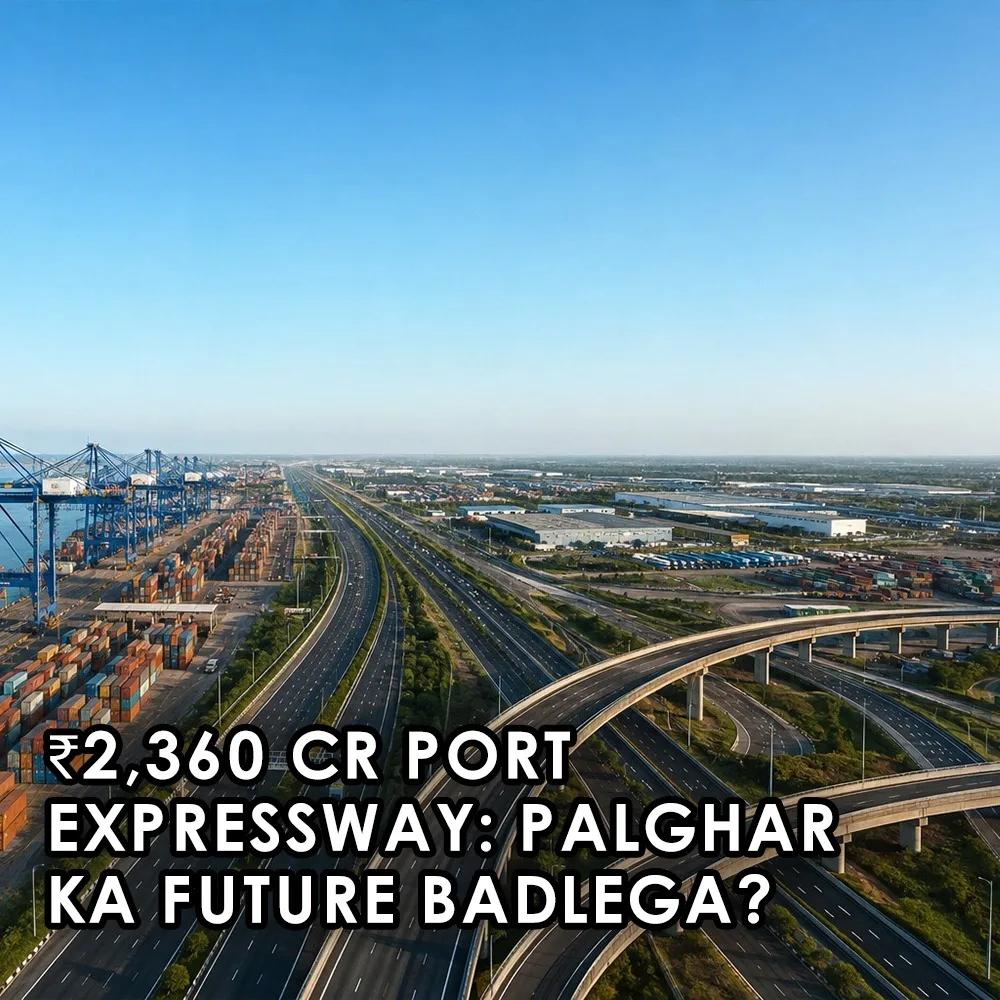
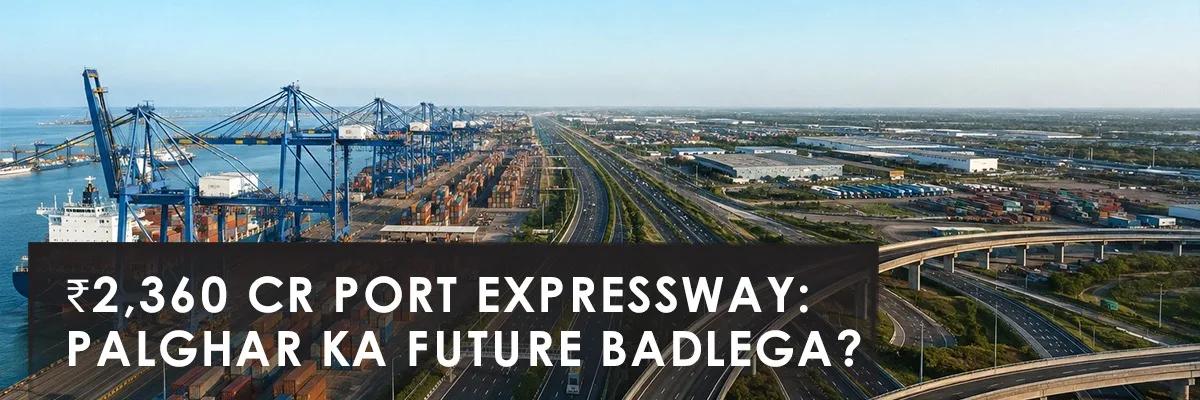
Earlier this year, the National Highways Authority of India handed out a contract worth close to twenty three hundred crore rupees for a four lane expressway connecting Vadhavan Port to Tava village on NH-48. A joint venture between J. Kumar Infraprojects and Shinde Developers won the bid under the engineering, procurement and construction model, and groundwork is expected to move quickly given how the timeline has been structured.
This isn't a simple stretch of tarmac. The alignment runs roughly thirty two kilometres and includes an eight hundred metre twin tube tunnel, two major bridges, dozens of smaller ones, half a dozen flyovers, and close to ninety culverts scattered along the route. Add in vehicular underpasses, a railway overbridge and wayside amenities, and you start to get a sense of just how much engineering effort this corridor is going to demand.
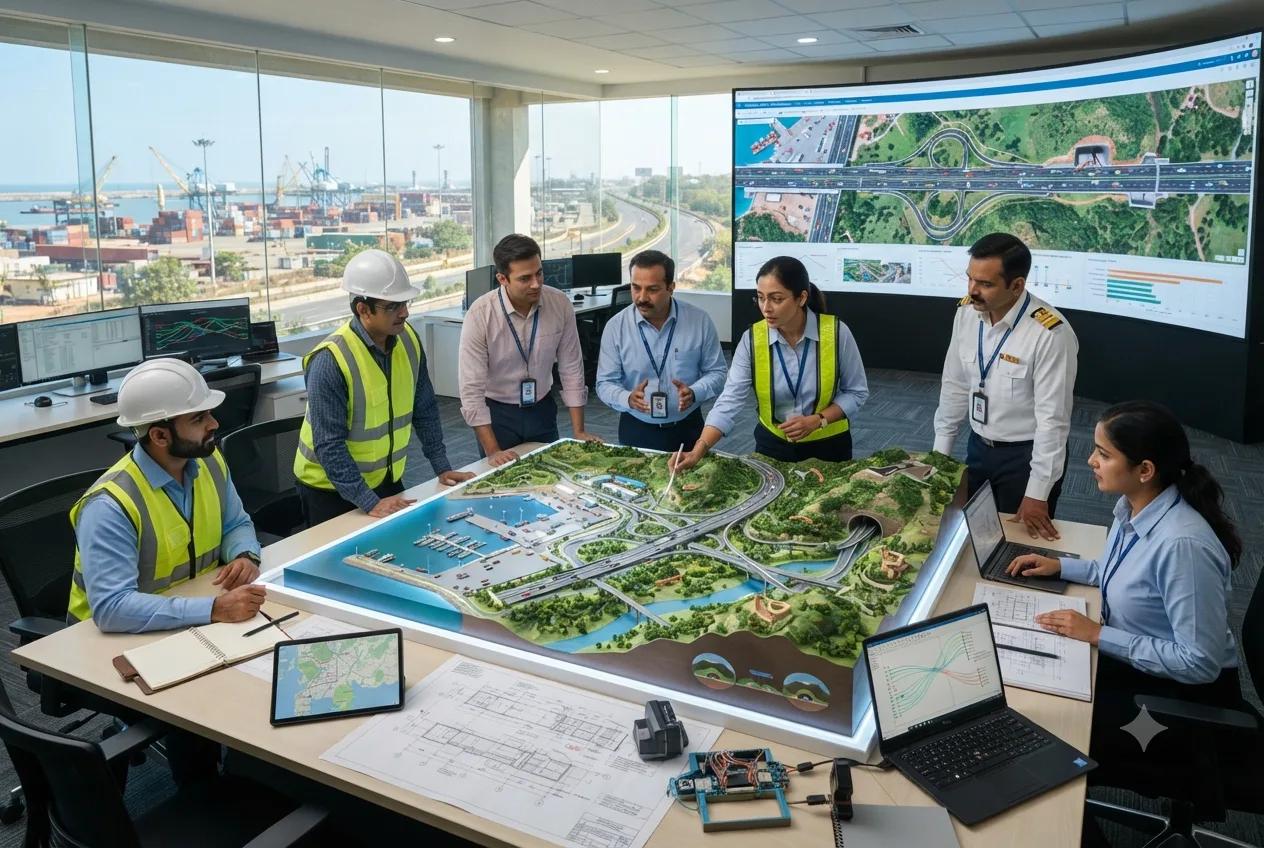
Here's the part that matters most for anyone tracking regional connectivity. The new expressway ties directly into the Delhi-Mumbai Expressway, meaning cargo moving through Vadhavan won't just serve Maharashtra, it plugs straight into one of the country's most significant freight arteries. That kind of linkage tends to ripple far beyond the immediate coastline.
Vadhavan itself is shaping up to be a genuinely major facility, with a natural draft deep enough to handle some of the largest vessels calling on Indian shores. Ownership sits under a public private structure, with a majority Indian controlled entity holding the larger share alongside state run ports contributing the rest. The road exists purely to move goods in and out of this port efficiently, without funnelling everything through Mumbai's already congested arteries.
Interestingly, the current four lane design isn't meant to be the final form. Planners have deliberately kept the alignment expandable to eight lanes down the line, a sign that traffic volumes are expected to climb steadily once the port itself becomes fully operational across its planned phases.
It hasn't all been smooth sailing though. Residents and environmental groups in Palghar have raised serious concerns, pointing to tens of thousands of trees, over twenty lakes and hundreds of homes that fall within the project's footprint. Construction moving forward doesn't erase these objections, and it's a tension worth watching as work progresses on the ground.
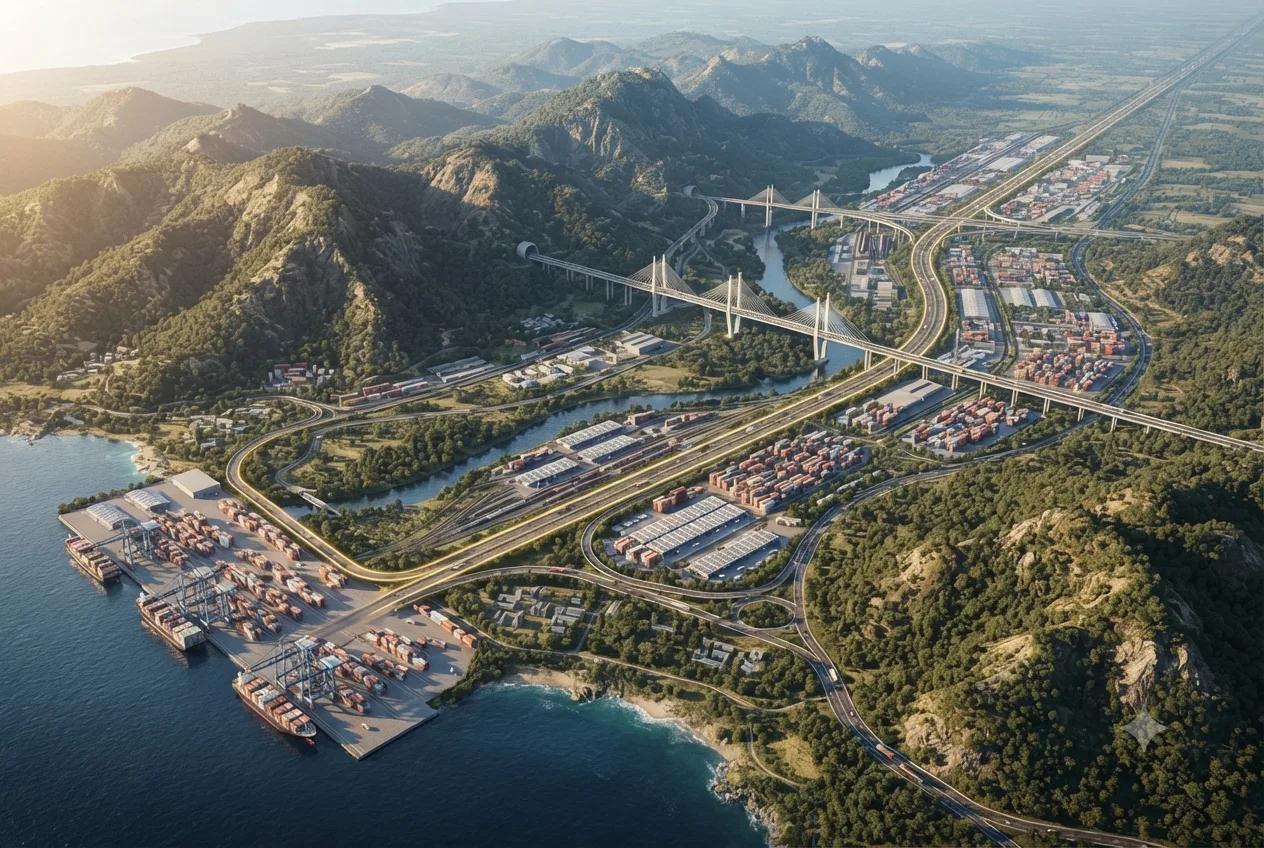
Corridors like this one have a track record of reshaping land values well before the actual road opens for traffic. Villages and small towns sitting along the alignment, currently overlooked by most investors, could see meaningful interest simply because logistics companies, warehousing operators and eventually residential developers tend to follow wherever connectivity improves this dramatically.
Beyond the immediate region, this expressway fits into a broader push to strengthen India's port led trade infrastructure. Faster, more reliable road access between a major new port and the national highway network directly lowers logistics costs, something that matters enormously for exporters and manufacturers scattered across western India.
The Vadhavan Port-NH-48 four-lane expressway represents one of Maharashtra's more consequential infrastructure commitments in recent years, linking a rising deep water port directly to the Delhi-Mumbai Expressway network. Spanning over thirty kilometres with substantial tunnel and bridge work, the project is designed with room to expand well beyond its current capacity. Despite genuine local opposition over land and ecological impact, the corridor is likely to influence logistics costs, regional development and property interest across Palghar for years to come.


Find Detailed Answers to Frequently Asked Questions to Help You Make Smart and Confident Real Estate Decisions
The expressway aims to provide efficient four-lane connectivity between Vadhavan Port and Tava village on NH-48, directly linking to the Delhi-Mumbai Expressway to improve cargo movement and regional logistics.
The project includes an 800-meter twin tube tunnel, two major bridges, numerous smaller bridges and culverts, six flyovers, vehicular underpasses, a railway overbridge, and wayside amenities, requiring significant engineering effort.
By connecting Vadhavan Port directly to the Delhi-Mumbai Expressway, it will integrate cargo movement from a major deep-water port into a significant national freight artery, improving efficiency and reducing logistics costs across western India.
Although initially four lanes, the alignment is designed to be expandable to eight lanes in the future, anticipating increased traffic volumes as the Vadhavan Port becomes fully operational.
Residents and environmental groups in Palghar have raised concerns regarding the project's impact on tens of thousands of trees, over twenty lakes, and hundreds of homes within its footprint.
Improved connectivity from major infrastructure projects typically leads to increased land values. Logistics companies, warehousing operators, and residential developers are likely to show interest in villages and towns along the alignment.