Talk to anyone who has commuted from Mira Road to the western suburbs and you will hear the same word: exhausting. That word is finally losing its grip a little, thanks to Mumbai Metro Line 9. The northern belt of the city, long treated as a distant cousin of "real Mumbai," is now sitting at the centre of a genuine infrastructure story.
Know the structure completely before you sign.
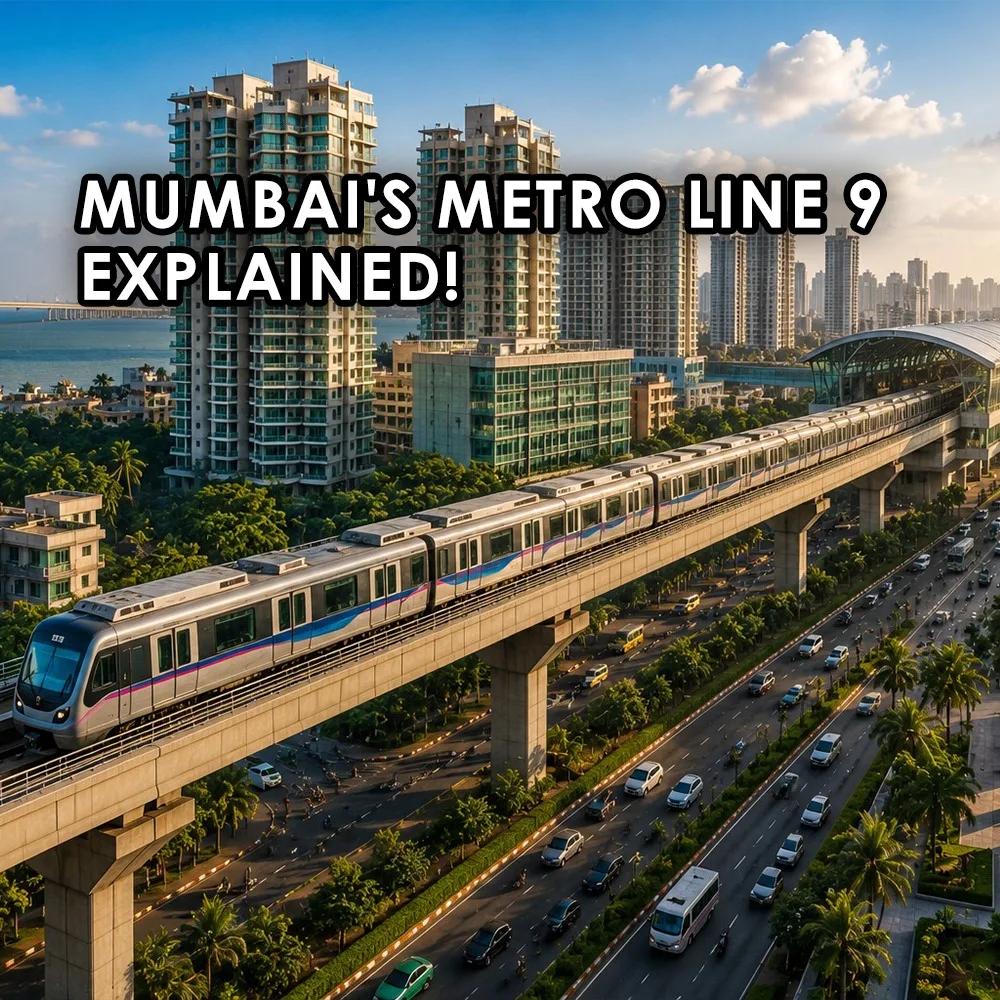
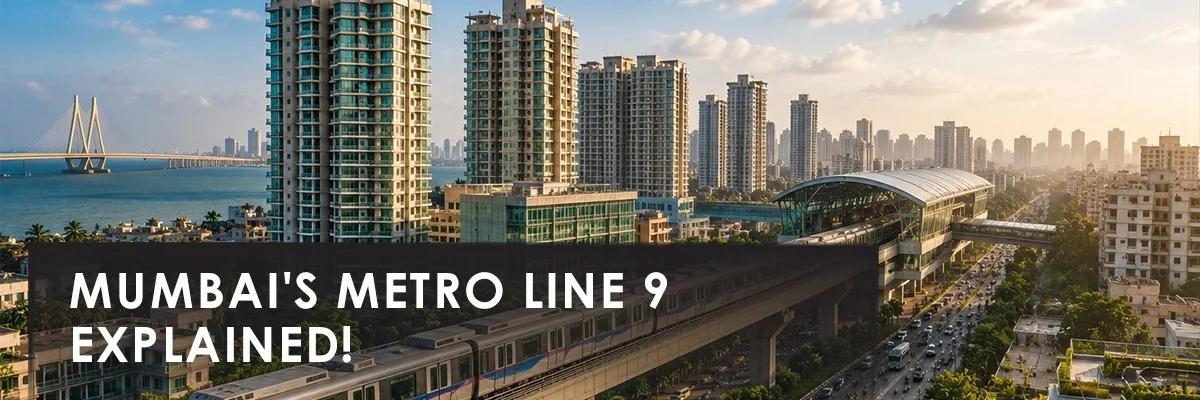
Line 9 is technically an extension of the existing Red Line, stretching from Dahisar East into Mira-Bhayandar. The full corridor runs close to 11.4 kilometres, and once complete it will connect through to Kashigaon in the north. It is a fully elevated stretch, which sounds like a small engineering detail but actually changes how fast construction and commuting both move.
Phase 1 opened to commuters in April 2026, covering four stations between Dahisar East and Kashigaon. Commercial services began the very next day after inauguration. Anyone who has tracked Mumbai infrastructure timelines knows that projects rarely land on schedule, so this one actually beating expectations felt almost unfamiliar.
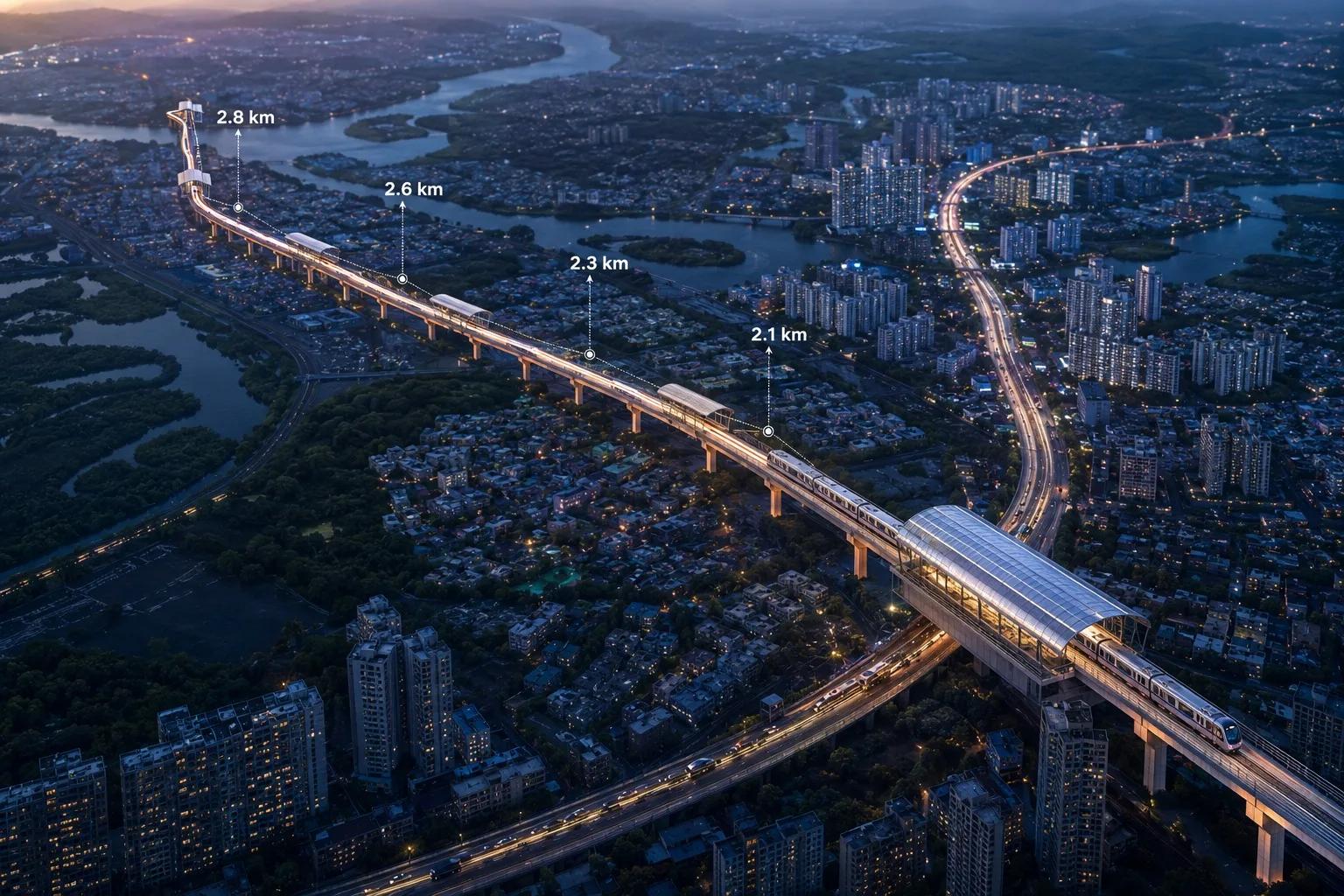
Dahisar East works as the key interchange point, linking Line 9 riders to Line 2A and onward toward Andheri West. Pandurang Wadi and Miragaon sit in between, with Miragaon earmarked as a future junction for the proposed Line 10 toward Gaimukh. Kashigaon currently marks the northern end, sitting barely more than a kilometre from Mira Road's suburban railway station. Metro Line 9 essentially stitches together a corridor that used to depend entirely on the Western Line and a single congested highway.
Anyone who has sat in traffic near Dahisar Check Naka knows the frustration of watching a fifteen minute distance stretch into an hour. Estimates suggest the metro could cut travel times along this stretch by half, sometimes more, once the line is fully operational. That is not a marginal improvement, that is the difference between skipping dinner plans and actually making it home for them.
Property watchers have noticed the shift already. Bhayandar West has seen prices climb somewhere in the range of 30 to 35 percent over the past year, and Mira Road properties have followed a steadier upward curve too. Average rates in Mira Road now sit close to sixteen to seventeen thousand rupees per square foot, a number that would have seemed unrealistic here just five years back. Mumbai property market watchers often say infrastructure announcements move prices faster than actual construction does, and this stretch proves the point.
The metro isn't arriving alone. A Dahisar-Bhayandar link road and improvements to the Western Express Highway are progressing in parallel, and a long pending water supply project for the region is also nearing completion. None of these grab headlines on their own, but together they are quietly turning a fringe suburb into something buyers now actively shortlist.
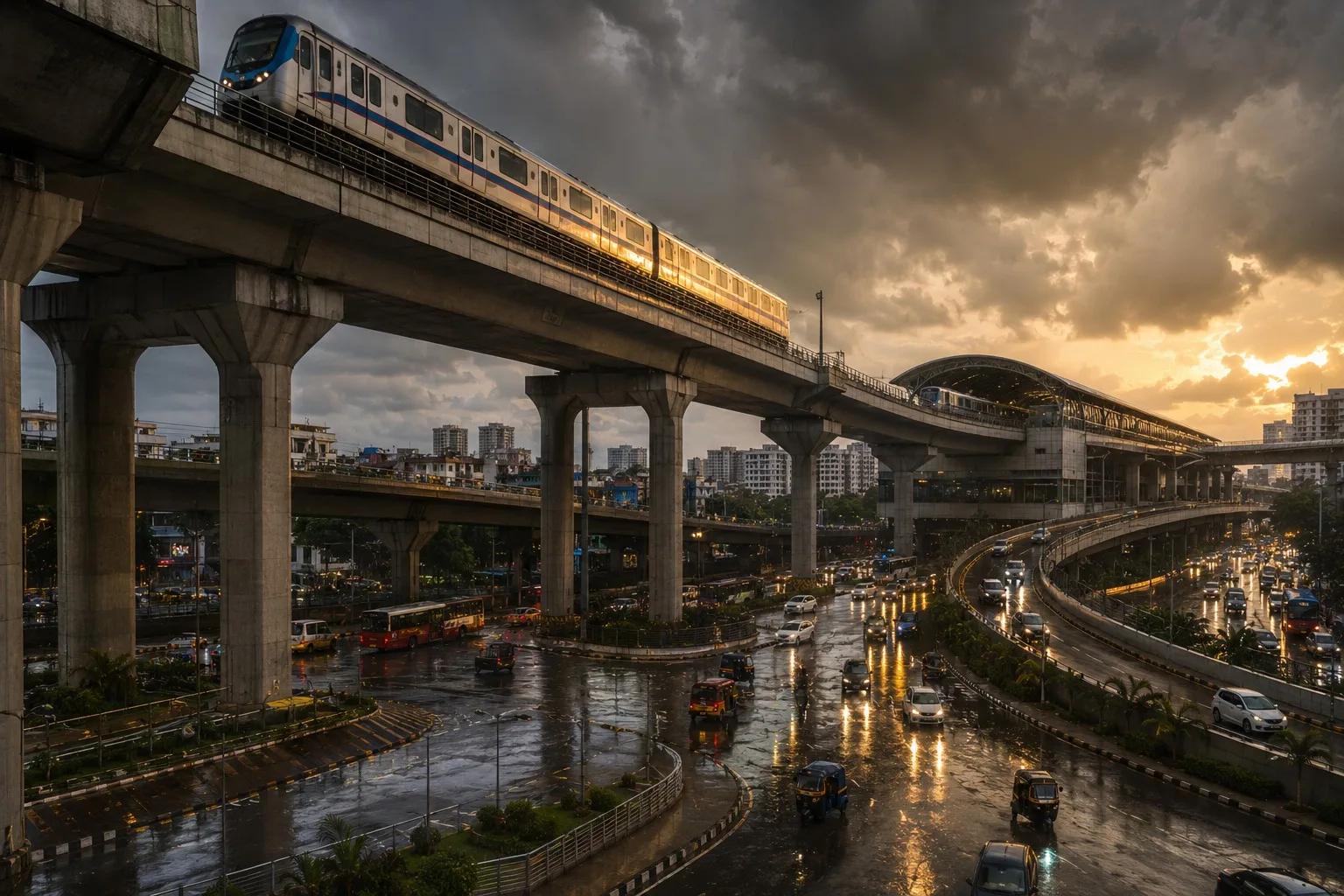
First time buyers priced out of Andheri or Goregaon suddenly have an alternative that doesn't feel like a compromise anymore. Investors who bought here five years ago purely on a hunch are watching that hunch pay off. And honestly, even renters benefit, because better connectivity tends to widen the pool of tenants willing to consider a locality they would have dismissed earlier.
Not every project near the corridor will age well, so it pays to check possession timelines and builder track record rather than getting swept up by proximity to a station. Prices have already moved up meaningfully in some pockets, meaning the easiest gains may be behind us rather than ahead. A station within walking distance is valuable, but it is worth confirming the last mile connectivity too, since a metro stop surrounded by unfinished roads does not help much.
Mumbai Metro Line 9 has turned Mira-Bhayandar from an overlooked suburb into one of the city's more talked about growth corridors. With Phase 1 already operational between Dahisar East and Kashigaon, commute times are shrinking and Mira Road property prices have responded with sharp appreciation. Parallel projects like the Dahisar-Bhayandar link road are reinforcing this shift further. For buyers and investors eyeing Mumbai real estate connectivity, this stretch deserves a serious look, though timing and project selection still matter more than proximity alone.


Find Detailed Answers to Frequently Asked Questions to Help You Make Smart and Confident Real Estate Decisions
Mumbai Metro Line 9 is an extension of the existing Red Line, spanning approximately 11.4 kilometres. It connects Dahisar East to Mira-Bhayandar, extending up to Kashigaon, significantly improving connectivity for Mumbai's northern suburbs.
The metro line is estimated to cut travel times along the Dahisar-Mira Road stretch by half or more once fully operational, providing a significant relief from the previously congested Western Line and highways.
Property rates in Bhayandar West have seen a 30-35% climb, and Mira Road properties have also appreciated steadily. Average rates in Mira Road are now close to ₹16,000-₹17,000 per square foot, driven by improved infrastructure and connectivity.
Phase 1 of Mumbai Metro Line 9, covering four stations between Dahisar East and Kashigaon, opened to commuters in April 2026, with commercial services beginning the following day.
Alongside Metro Line 9, a Dahisar-Bhayandar link road, improvements to the Western Express Highway, and a pending water supply project are also progressing, collectively enhancing the region's infrastructure.