Mumbai has always grown outward when it ran out of room, first into the suburbs, then across the harbour to Navi Mumbai, and now the city is preparing for its next big leap. On August 7, 2026, the MMRDA formally brought in a Singapore based planning firm to design what's being called Mumbai 3.0, and this one signing could reshape how an entire district looks a decade from now.
Who's Actually Doing the Planning
The firm in question is Surbana Jurong Infrastructure Pte Ltd, a Singapore government linked consultancy known for shaping planned townships and industrial zones across Asia. The agreement was signed by MMRDA Metropolitan Commissioner Sanjay Mukherjee and Surbana Jurong's South Asia CEO Avinash Mishra, with Chief Minister Devendra Fadnavis presiding over the ceremony. It wasn't a sudden decision either, the groundwork traces back to a memorandum signed between the two parties in January 2026 at the World Economic Forum in Davos.
What Exactly Is Being Built Here
Officially termed the Karnala-Sai-Chirner New Town, this project spans a genuinely massive 323.44 square kilometres across 124 villages spread over the Panvel, Uran, and Pen talukas of Raigad district. To put that scale in perspective, that's larger than several existing Indian cities combined into one greenfield planning zone. The state had already notified this area under the Maharashtra Regional and Town Planning Act back in October 2024, with MMRDA designated as the New Town Development Authority.
The Money and Timeline Involved
The state government cleared a work order worth ₹11.89 crore for the first phase of master plan preparation, with in principle approval already granted for a second phase valued near ₹23.12 crore, pending satisfactory completion of phase one. Surbana Jurong has reportedly been given roughly thirty weeks to deliver a comprehensive vision document and master plan for the entire region. That's an ambitious timeline given the sheer geographic spread involved.
Why This Particular Stretch of Raigad
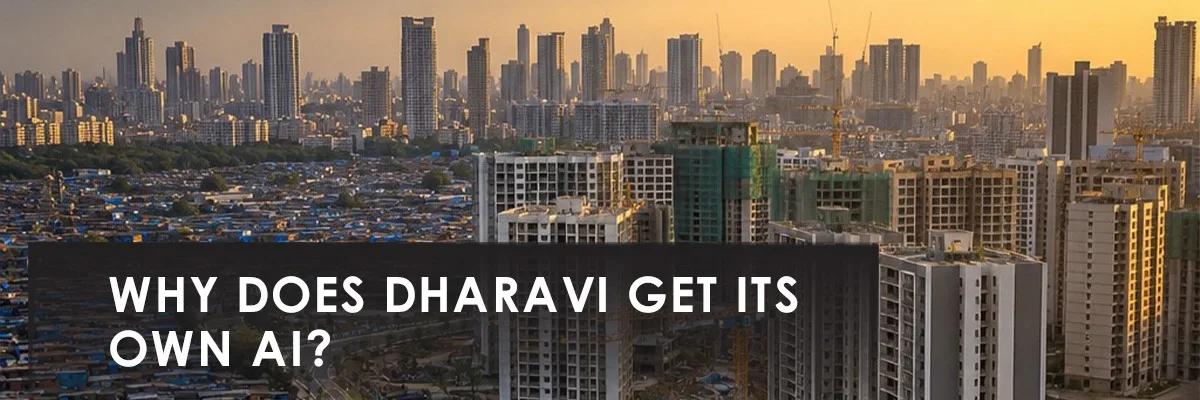
Location wasn't a random choice here. The KSC New Town sits close to two of the region's biggest recent infrastructure bets, the Atal Setu sea link connecting Mumbai to Navi Mumbai, and the upcoming Navi Mumbai International Airport. Planners are essentially betting that stitching new commercial zones and logistics hubs around these existing assets will pull pressure away from an already overcrowded core Mumbai and its inner suburbs.
What the Plan Is Actually Meant to Cover
According to MMRDA officials, the planning exercise will fold in integrated land use, transit oriented development, mixed residential and commercial zones, renewable energy infrastructure, and digital systems from the ground up rather than retrofitting them later. That's a meaningfully different approach compared to how most of Mumbai's older suburbs developed, where infrastructure often arrived years after residents had already moved in.
How Landowners Are Being Compensated
For families and farmers whose land falls inside this zone, the state approved a compensation framework back in March 2026 offering a choice between Floor Space Index benefits, Transferable Development Rights, or a land pooling arrangement where landowners retain 22.5 percent of the developed land. It's a structure meant to soften resistance, though it hasn't eliminated concerns entirely.
The Pushback This Project Still Faces
Not everyone in the affected villages is on board. Local residents and farmers groups have voiced worries over displacement and whether compensation terms genuinely reflect what they're giving up. Large greenfield projects in India carry a well documented history of running past their original timelines, and KSC New Town will need to prove it can avoid that pattern if it wants to retain public trust through construction.
What This Could Mean for Buyers and Investors
For anyone watching Mumbai's real estate map, a project of this scale signals where the next wave of infrastructure spending and, eventually, property demand is likely headed. Early movers into Raigad's evolving corridor have already been circling the area since the Atal Setu opened in 2024, and a structured master plan tends to accelerate that interest further by giving investors an actual blueprint rather than speculation to work from.
The Bigger Economic Ambition Behind It
Maharashtra's leadership has framed Mumbai 3.0 as part of a much larger push, tied to NITI Aayog's recognition of the MMR's potential to become a $1.5 trillion economy. Related MoUs signed around the same window at Davos are projected to generate close to 9.6 lakh direct and indirect jobs across the wider region. Whether those numbers hold up over the coming decade will depend heavily on execution, not just intent.
Summary
MMRDA's appointment of Singapore’s Surbana Jurong to design the Karnala-Sai-Chirner New Town, popularly called Mumbai 3.0, marks a serious step toward building a 323 square kilometre growth corridor in Raigad district. Anchored by proximity to the Atal Setu and the upcoming Navi Mumbai airport, the project could meaningfully reshape property demand across the region over the next decade, even as compensation concerns and execution risks remain very real hurdles the state will need to manage carefully.