Every NRI with savings sitting in a foreign bank account eventually asks the same question over a family call. Should the money go into a familiar metro back home, or into some fast growing city an uncle keeps mentioning? There's no single right answer, but the numbers tell a story worth hearing before deciding either way.
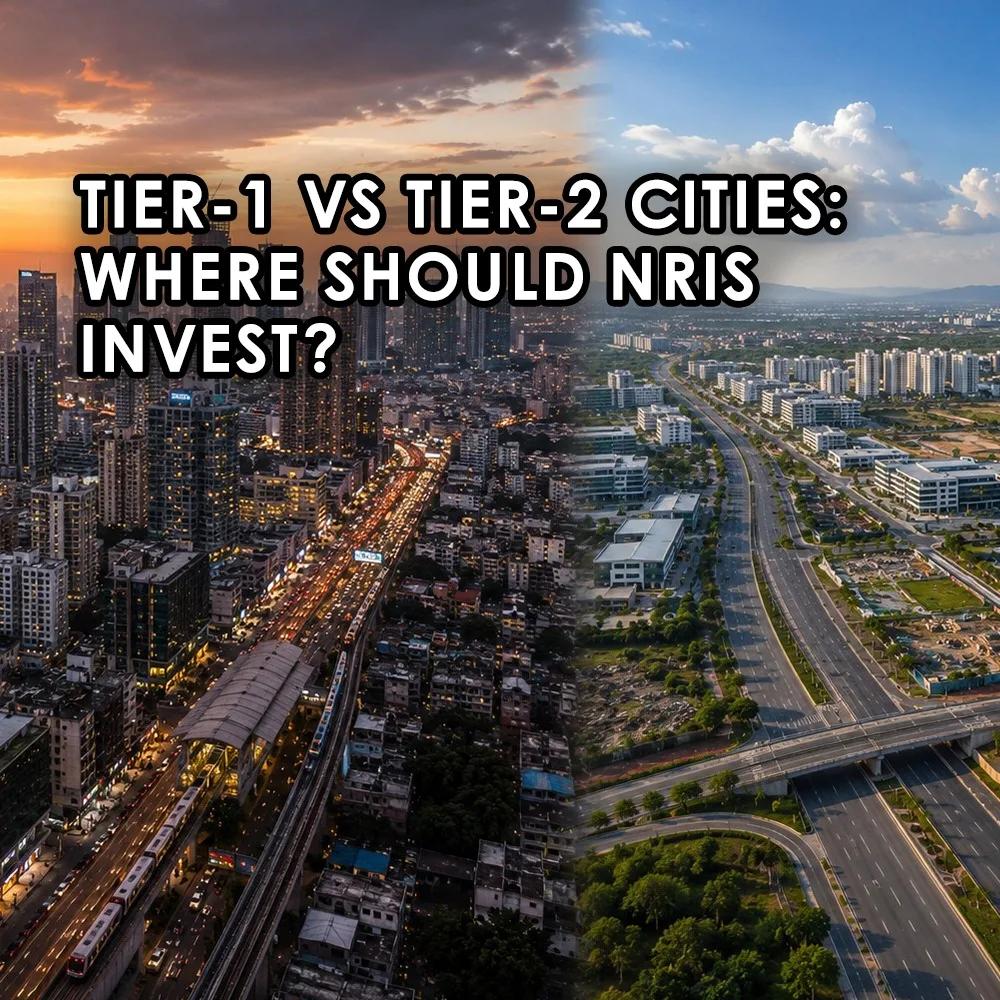
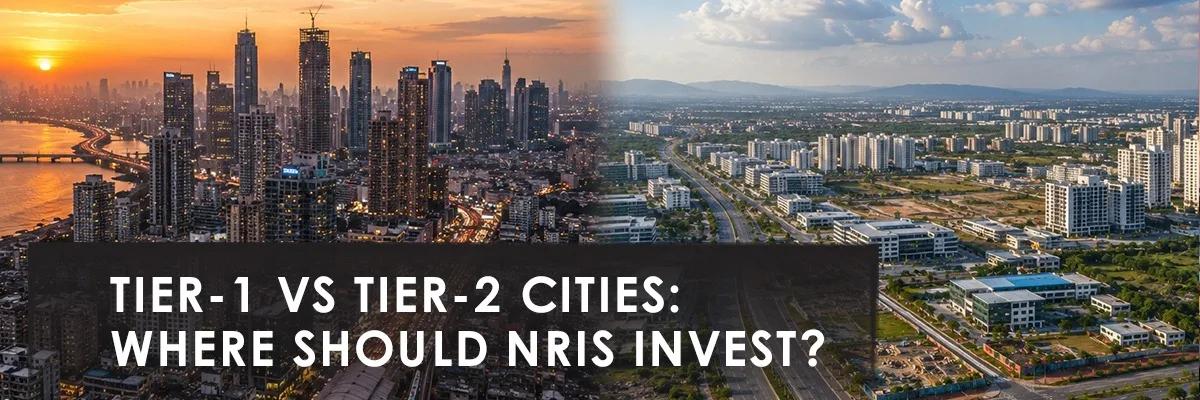
Mumbai, Bengaluru, Gurugram, these names carry weight for a reason. Buyers know the localities, resale happens quickly, and legal documentation is generally cleaner given how mature these markets are. But that comfort comes at a cost. Rental yields in Mumbai's premium pockets sit as low as two and a half percent, and even Gurugram rarely crosses three and a half.
Cities like Indore, Jaipur, Coimbatore and Lucknow have started showing up in NRI portfolios where they barely featured before. Residential demand across these markets is projected to grow by roughly thirty percent through 2026, and they already account for close to half of all new project launches nationally. That's not a rounding error, that's a genuine shift in where builders and buyers are placing bets.
This is where the arithmetic gets interesting. Tier-2 cities are delivering rental yields between three and a half and five percent, occasionally touching six in select pockets, compared to the two to three percent typical of metro cores. Combined with far lower entry prices, the actual return ratio often favours the smaller city, at least on paper.

None of this means Tier 2 is automatically better. Resale markets in smaller cities remain noticeably shallower, and finding a buyer quickly when you need one isn't guaranteed. Property advisors increasingly tell NRIs to treat these purchases as fifteen year holds rather than the five year flips common in metro investing.
Indore deserves a mention on its own. Average residential rates there hover around five and a half thousand rupees per square foot, a fraction of Mumbai's pricing, yet certain corridors have appreciated well over a hundred percent across just three years. Numbers like that don't happen in saturated metro markets anymore.
Metro rail expansions, ring roads and airport upgrades are quietly transforming how these cities function. Nearly four in ten new global capability centres are choosing locations outside traditional metros entirely, dragging corporate jobs, and eventually rental demand, along with them.
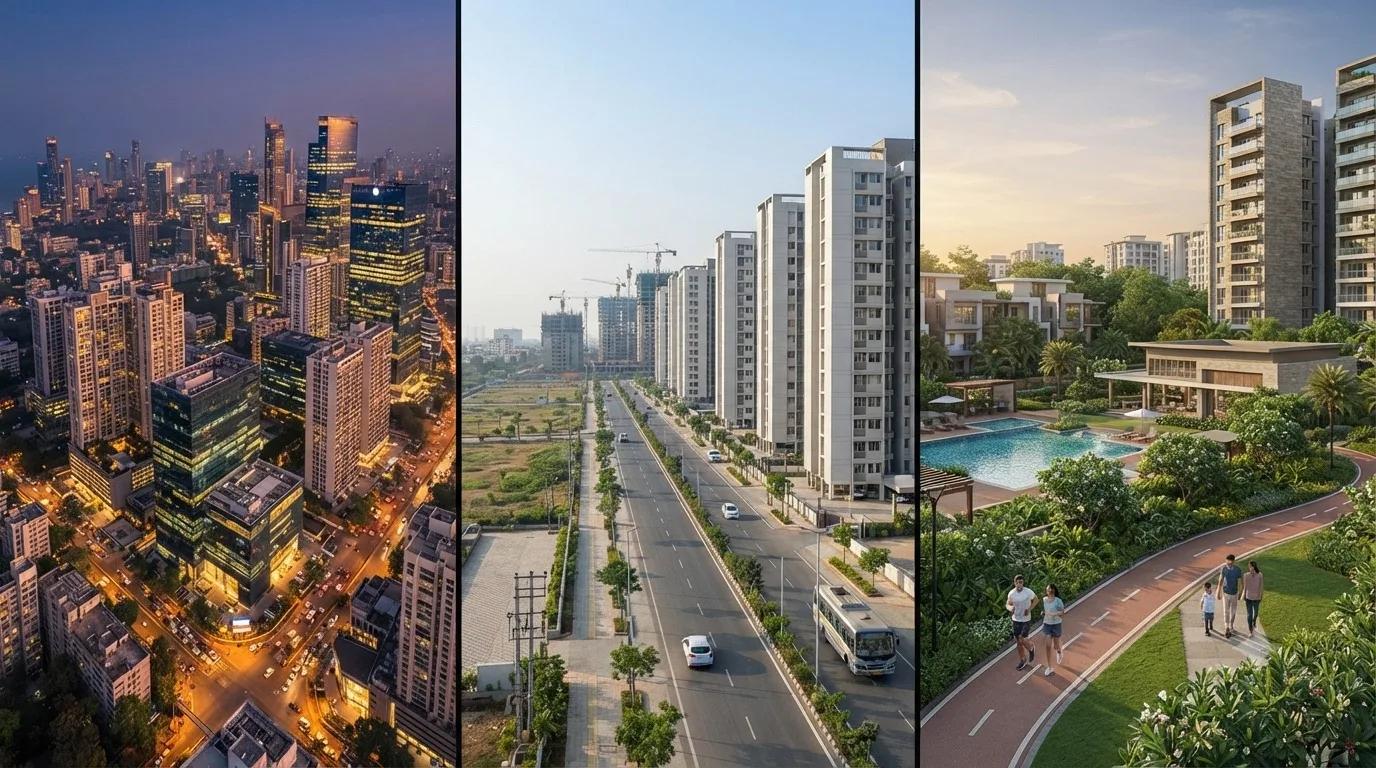
NRI investment in smaller cities rewards patience over speed. Buyers chasing quick appreciation or fast resale should probably stick closer to established metro corridors. Those willing to sit on an asset for a decade or more are the ones actually capturing the upside these markets currently offer.
Plenty of seasoned NRI investors now split capital deliberately, a metro property for liquidity and prestige, a Tier 2 asset for yield and long term growth. It's less about choosing a winner and more about what each city segment is actually good at delivering.
Both Tier-1 and Tier-2 cities offer genuine advantages for NRI buyers, just of very different kinds. Metros deliver liquidity, familiarity and easier resale, while Tier 2 markets like Indore and Jaipur are producing sharper rental yields and faster price appreciation on much smaller entry tickets. The smartest NRI portfolios in 2026 increasingly blend both, treating each city tier as a different tool rather than a single verdict.


Find Detailed Answers to Frequently Asked Questions to Help You Make Smart and Confident Real Estate Decisions
Tier 2 cities such as Indore and Jaipur offer significantly higher rental yields (3.5-6%), lower entry prices, and strong projected residential demand growth, making them appealing for long-term appreciation.
The main drawback of Tier 2 cities is shallower resale markets and lower liquidity compared to metros. Investors are often advised to consider these as 15-year holds rather than short-term flips.
Indore has shown remarkable appreciation, with certain corridors seeing over a hundred percent growth in residential rates in just three years, despite average rates being a fraction of Mumbai's.
Many seasoned NRI investors adopt a balanced approach, splitting capital between a metro property for liquidity and prestige, and a Tier 2 asset for higher yield and long-term growth, leveraging the strengths of both segments.