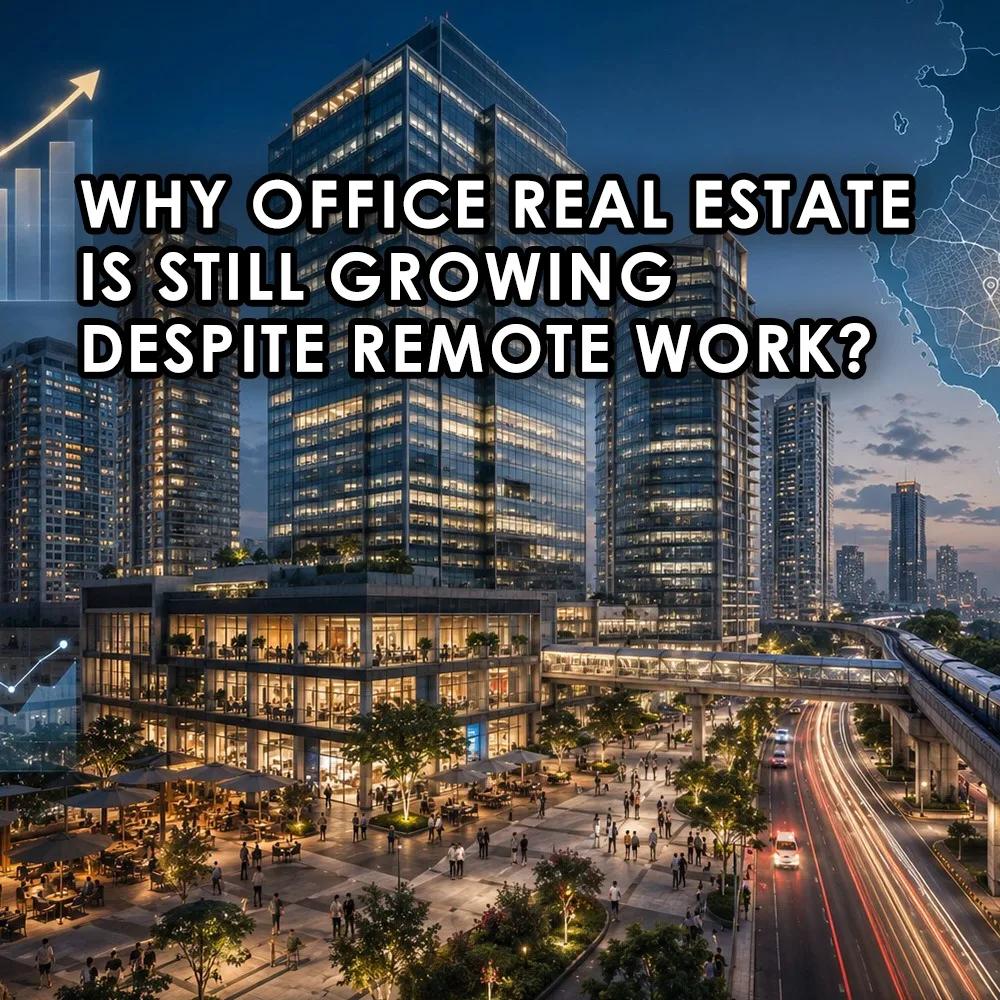
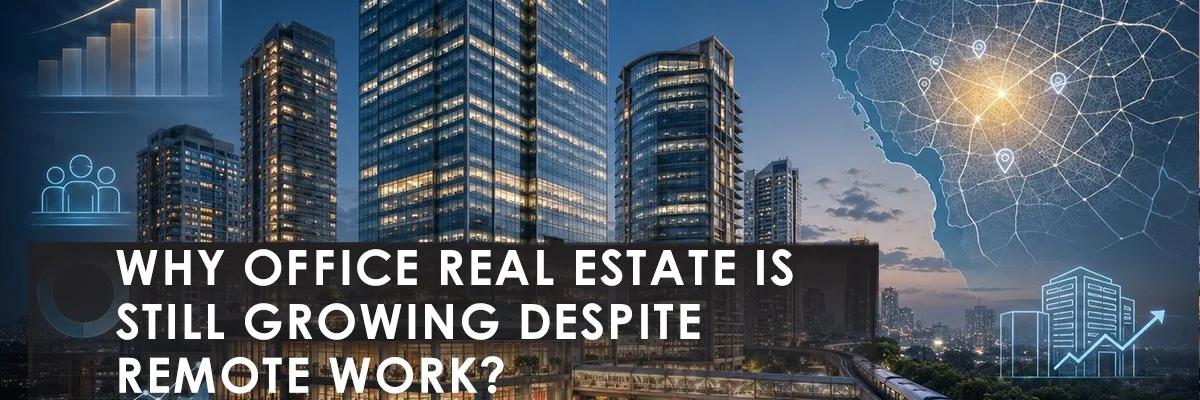
Ask anyone in 2021 whether corporate India would ever need more office space again, and most would've laughed. Remote work was supposed to hollow out commercial real estate for good. Instead, five years later, developers are handing over buildings faster than ever and companies are still signing leases at a pace nobody predicted. Something clearly didn't go according to the script.
India's office market just posted its strongest quarter on record, with gross leasing touching close to 24.6 million square feet between April and June 2026, up sharply from both the previous quarter and the same period last year. Zoom out to the full first half of the year and the picture holds, leasing activity climbed into the mid to high forties in million square feet, a rise of nearly ten percent over last year. That's not a market winding down.
If one force explains this better than anything else, it's GCCs. Global capability centres anchored over four in every ten square feet leased during the quarter, a share that would've seemed unthinkable a decade ago when these were just small back office satellites. Multinational companies now treat their India units as core operations, not cost centres, and that shift in mindset shows up directly in how aggressively they're expanding floor space.
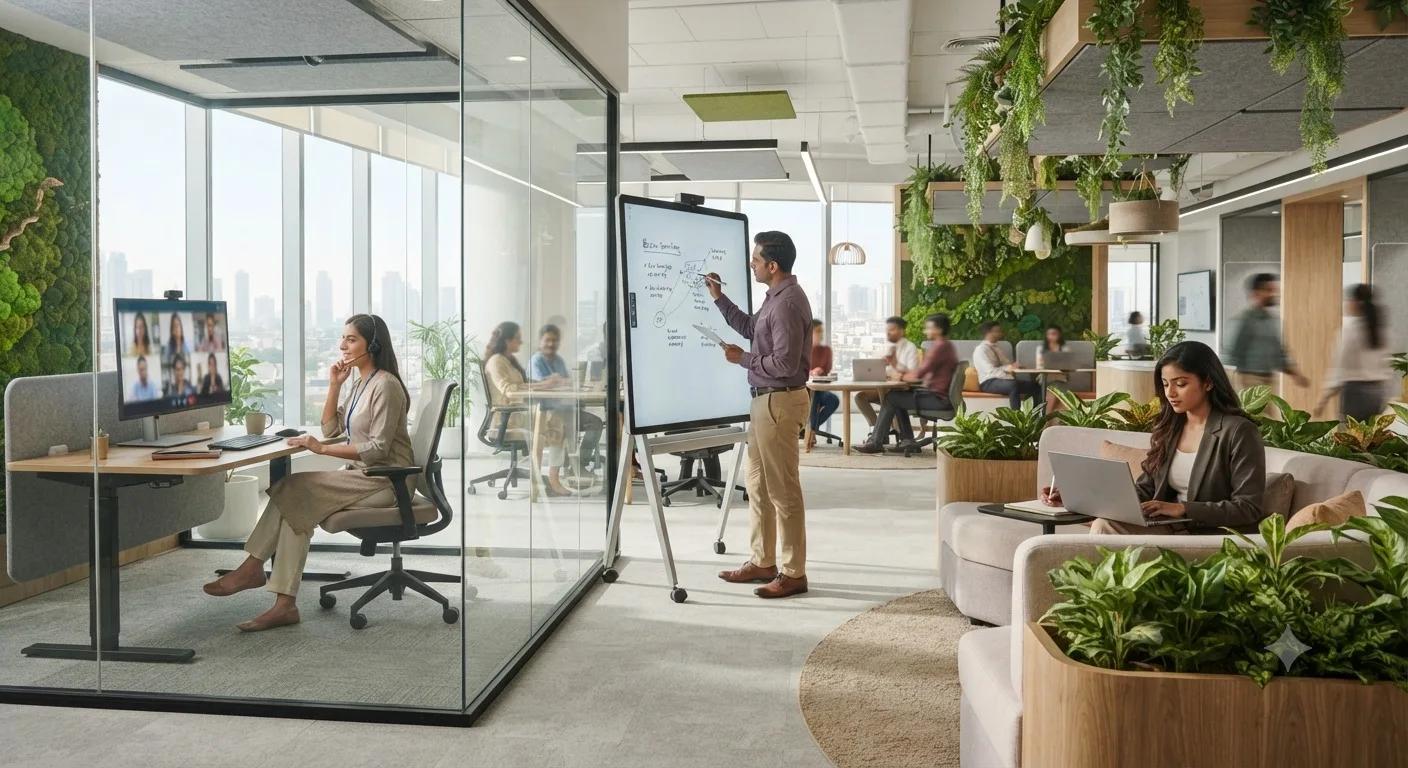
Flexible workspace operators picked up roughly a quarter of all leasing in the same window. What started as a stopgap for startups avoiding long leases has become the preferred entry route for large occupiers who want scale without locking themselves into a decade of fixed rent. Funny how the industry's plan B quietly became plan A for so many boardrooms.
Companies aren't just renting more space, they're being fussier about which space. Grade A buildings with strong amenities and sustainability credentials are absorbing the bulk of fresh demand, while older stock struggles to find takers. Landlords sitting on tired inventory are watching tenants walk right past them toward newer towers.
Bengaluru alone claimed close to three in every ten square feet leased nationally during the first half of the year. Hyderabad wasn't far behind, contributing nearly a fifth of total demand. Between the two, along with Pune, they're absorbing the majority of everything global occupiers are looking for right now.
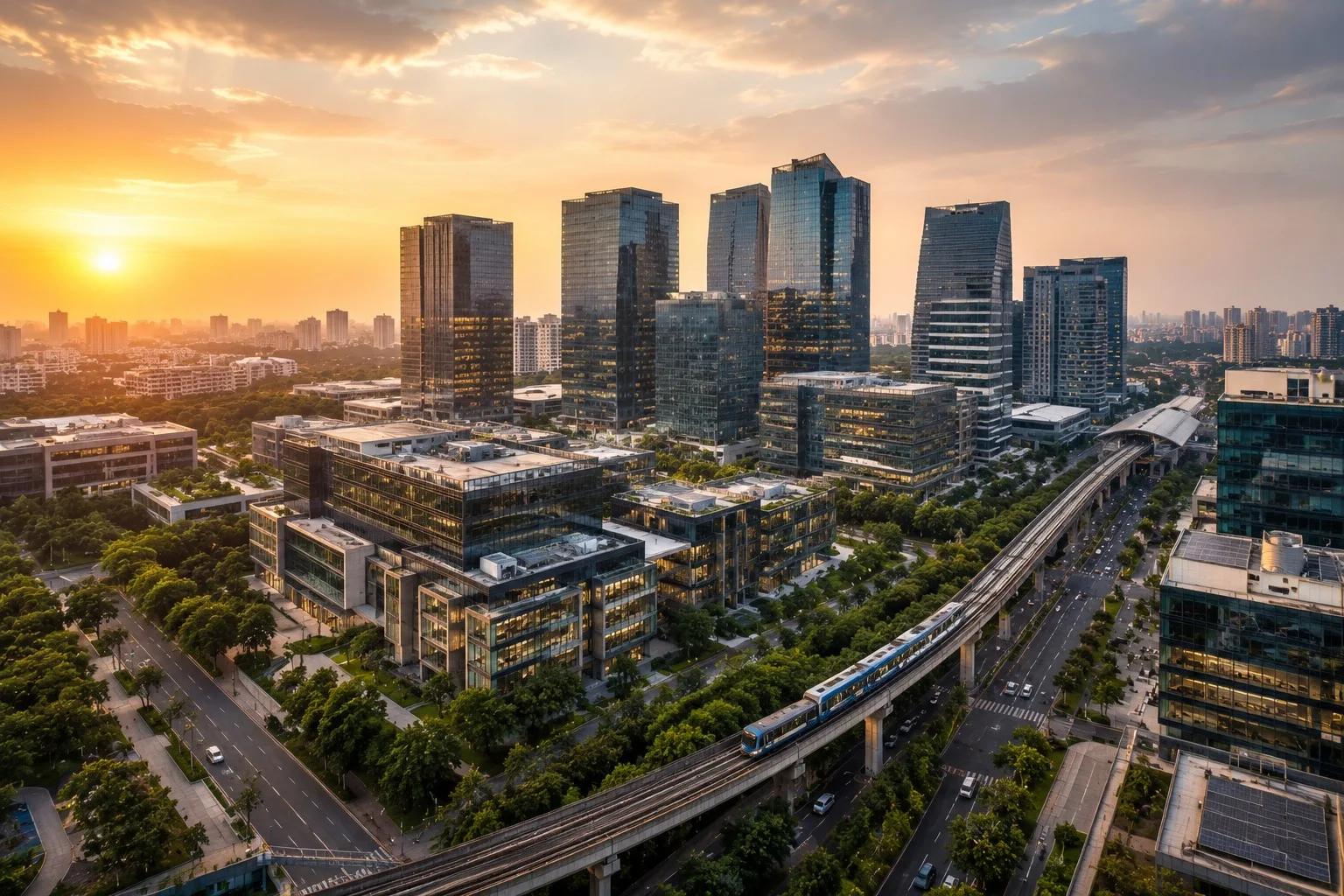
Developers aren't sitting idle either. New completions jumped sharply in the same period, and industry forecasts expect national office stock to climb well past 900 million square feet within the next couple of years. Vacancy, meanwhile, is expected to inch down further, a sign that existing buildings are filling faster than fresh ones can come online.
Here's the part remote work skeptics missed. Hybrid schedules didn't kill office demand, they reshaped it. Companies still want a physical base for collaboration and culture, they just want it smarter, with fewer rigid cubicles and more flexible zones that can flex between a quiet Monday and a packed Wednesday.
Roughly four in ten new GCC centres are now opening outside the traditional big city belt entirely, a trend that would've surprised nobody watching Bengaluru's rents climb. Talent, cost advantages and improving infrastructure are pulling capacity toward cities that barely registered on the commercial radar five years back.
India's office real estate market has defied the remote work narrative almost entirely. Record leasing through 2026, driven largely by GCCs and flexible space operators, shows that hybrid schedules reshaped office demand rather than erasing it. Cities like Bengaluru and Hyderabad continue leading absorption, while Grade A stock pulls further ahead of older buildings. For occupiers and investors alike, offices in India remain a strategic bet, not a shrinking one.


Find Detailed Answers to Frequently Asked Questions to Help You Make Smart and Confident Real Estate Decisions
Contrary to initial remote work predictions, India's office market is seeing record growth due to strong demand from Global Capability Centres (GCCs) and the increased adoption of flexible workspace solutions by large corporations.
GCCs are a primary driver of demand, accounting for over 40% of leased office space. Multinational companies are expanding their India units as core operations, leading to significant floor space expansion.
Flexible workspace, once a stopgap, now represents a quarter of leasing activity. It's become a strategic choice for large occupiers seeking scale without long-term lease commitments, transforming into a preferred entry route.
Bengaluru and Hyderabad are at the forefront, collectively absorbing a significant majority of new office demand, particularly for global occupiers. Pune also contributes substantially to this trend.
Hybrid work hasn't eliminated office demand but reshaped it. Companies still require physical spaces for collaboration and culture, favoring smarter, flexible office layouts over traditional cubicles, leading to continued demand for well-designed offices.
Yes, approximately 40% of new GCC centers are opening outside major metropolitan areas. This shift is driven by factors like talent availability, cost advantages, and improving infrastructure in these smaller cities.