
Walk into a builder's sales office today and you'll notice something has quietly changed. Nobody's pitching square footage first anymore. They're talking about co-working corners, air quality, and whether the clubhouse has a proper crèche. Buyers stopped settling for four walls a while back, and developers had no real choice but to catch up.
For decades, the Indian dream was simple, a flat close to work and school, full stop. That's no longer where the conversation ends. Buyers now weigh community living, wellness features, and long-term liveability alongside price, and developers who ignored this shift have watched their unsold inventory pile up while competitors with better planning sold out faster.
The clearest proof sits in the numbers themselves. Average ticket sizes across India's top cities climbed from around ₹1.13 crore in 2023 to roughly ₹1.47 crore in 2025, even as the total number of units sold dipped slightly. That combination, fewer homes sold but far more money spent, tells developers exactly one thing, build bigger, build better, stop chasing volume.
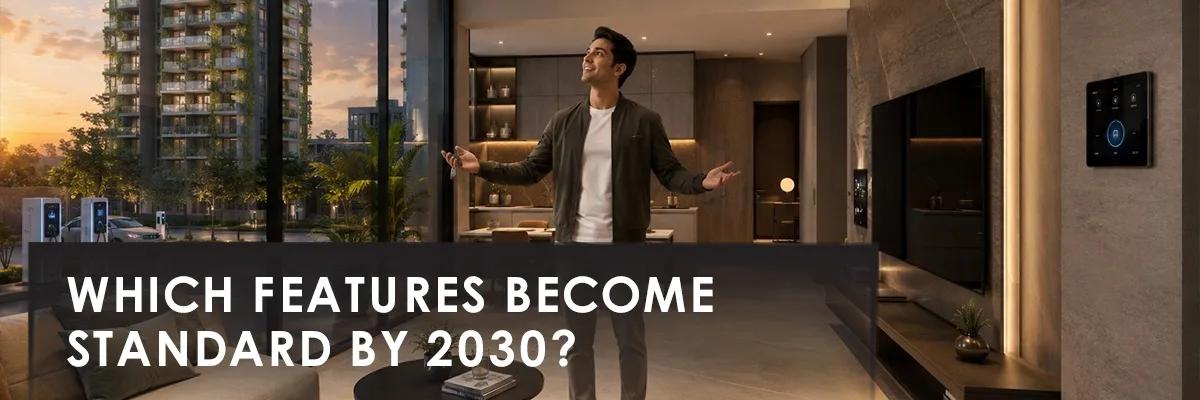
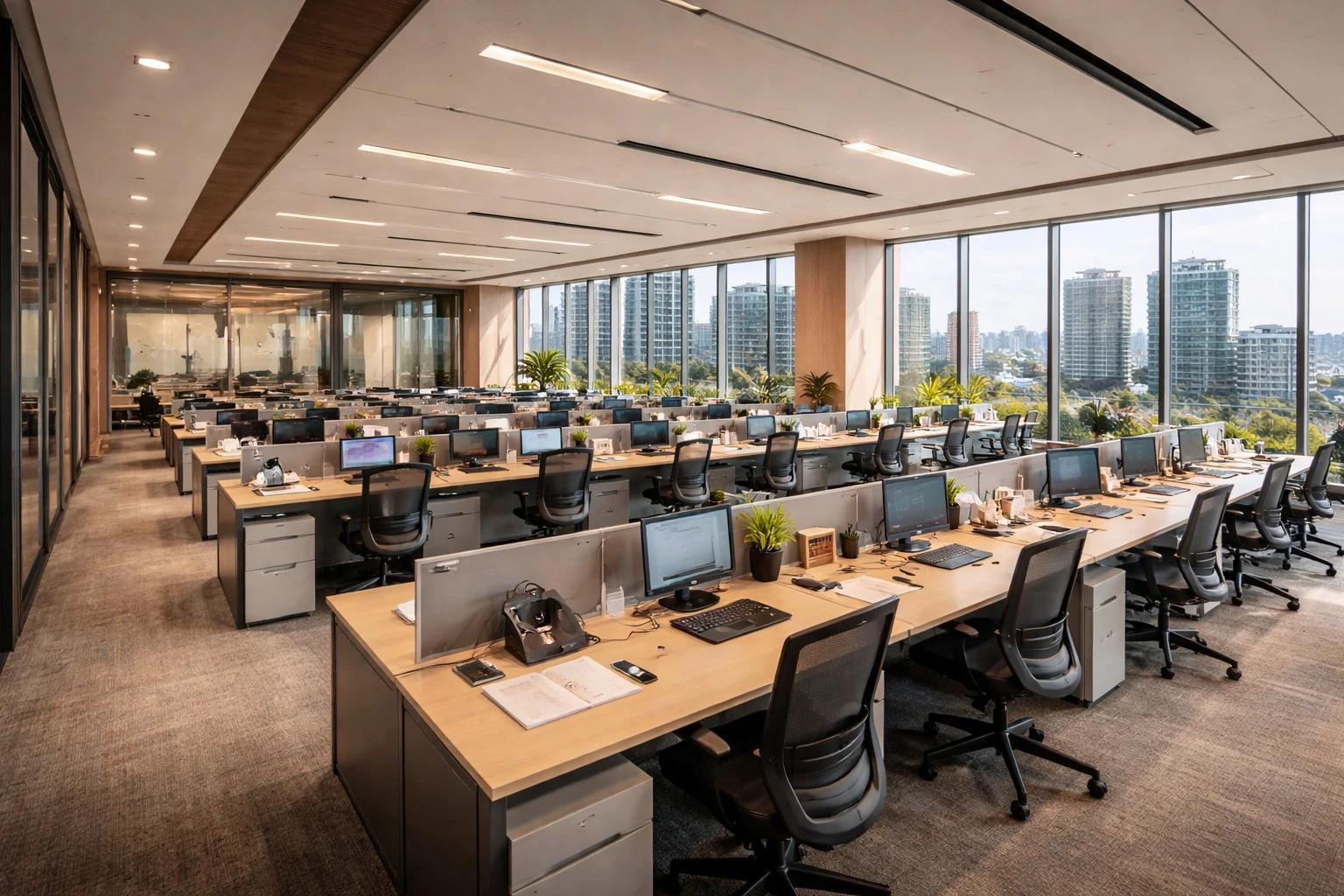
Nobody was designing homes with a dedicated study five years back, at least not as standard. Hybrid work changed that overnight, and a noticeable share of buyers in cities like Gurugram and Noida now actively look for an extra room built specifically for video calls and quiet work hours. Developers who once treated a study as an optional add-on are now baking it into base layouts.
There was a phase where a swimming pool and a gym were enough to make brochures look impressive. That phase is over. Buyers today are asking harder questions, natural ventilation, green cover, walkability within the township, and whether common areas actually get maintained instead of just looking good in renders. Developers responding seriously to this have started hiring dedicated facility management teams before possession even begins, not after complaints pile up.
For years, price and location did most of the heavy lifting in a buyer's decision. That's shifted meaningfully, with construction quality, a developer's delivery track record, and timely possession now sitting right alongside those older factors. A builder with a history of delayed handovers struggles to sell even a well-located project, and word travels fast through resident WhatsApp groups and review platforms.
Green certifications used to be a nice-to-have line in a sales brochure nobody actually read. HNI and NRI buyers in particular are now asking about IGBC or LEED credentials before signing anything, treating energy efficiency and biophilic design as genuine value rather than a marketing flourish. Developers targeting this segment have responded by folding sustainability into design from the very first blueprint instead of retrofitting it later.
Younger buyers, typically between 28 and 45, now drive a huge share of urban property purchases, and this generation researches obsessively before committing. They read reviews, compare RERA filings, and ask pointed questions about escrow accounts. Developers who respond with actual transparency, clear payment schedules, honest possession timelines, are winning loyalty that no clubhouse or infinity pool could buy on its own.
It's not just metros anymore. Tier-2 markets are seeing developers adapt fast to rising purchasing power and improving local infrastructure, often replicating metro-style integrated townships at a smaller scale. This expansion also means developers can't rely on a single national playbook, buyer expectations in Indore look different from buyer expectations in Bhubaneswar, and the smarter builders are adjusting product mix city by city.
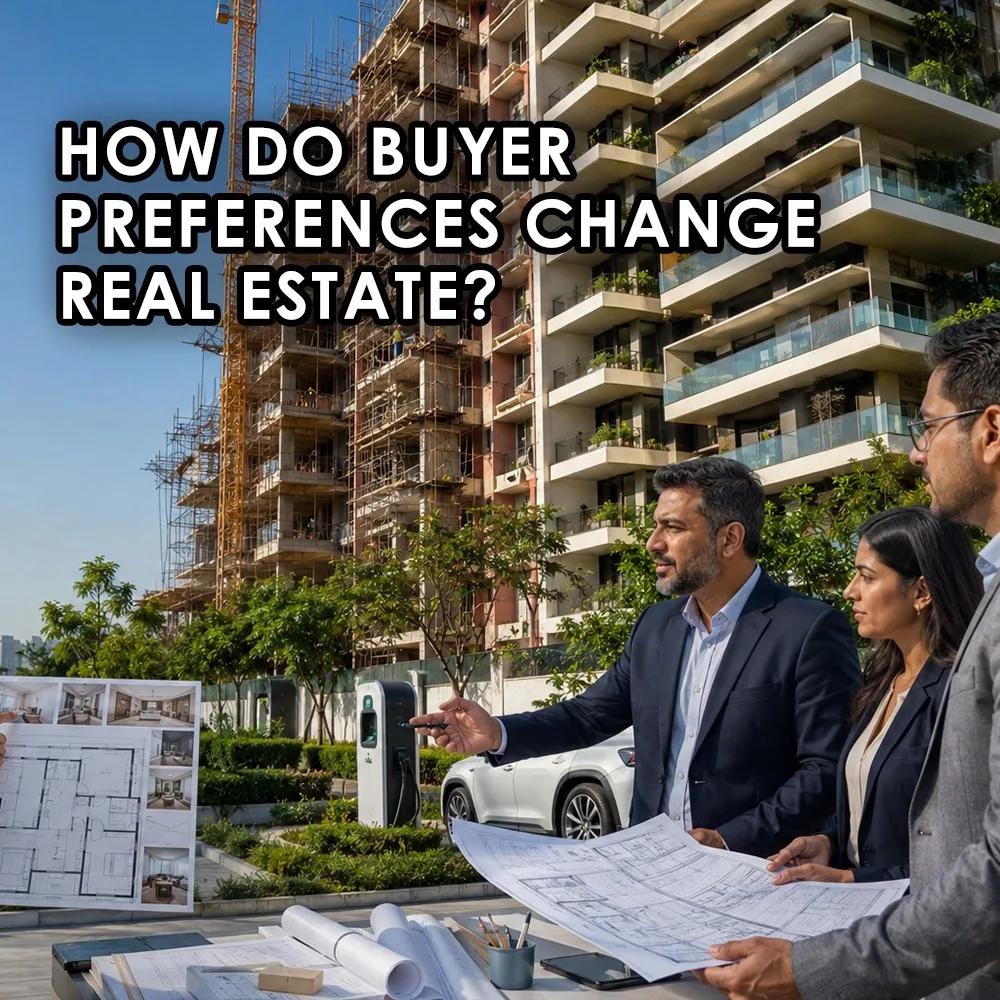
If you're evaluating projects today, pay close attention to how much a developer has actually adapted versus how much they're simply repackaging old inventory with new marketing language. A genuinely responsive builder shows it in the floor plan, the material specifications, and the after-sales support, not just in glossy renders.
Developers across India are visibly reshaping their projects around what buyers actually want, larger layouts, dedicated workspaces, real sustainability, and construction transparency. This shift, driven by rising incomes and a more research-driven buyer base, is pushing developers to compete on quality rather than just pricing. For anyone in the market, understanding how a builder has responded to changing buyer preferences offers a genuinely useful lens for choosing the right project.


Find Detailed Answers to Frequently Asked Questions to Help You Make Smart and Confident Real Estate Decisions
Buyers are now prioritizing lifestyle, wellness, community living, and long-term liveability over just location and basic amenities. They seek larger homes, dedicated work-from-home spaces, and robust construction quality.
This refers to buyers' increased demand for properties that offer more than just shelter, including community features, green spaces, sustainable design, and well-maintained common areas, creating a holistic living experience.
The rise of hybrid work has led to developers integrating dedicated study rooms or flexible workspaces into base home layouts, as buyers actively seek spaces suitable for video calls and quiet work.
Beyond price and location, buyers are now scrutinizing construction quality, developer track record, and timely possession. Transparency and a good reputation are crucial, especially with information easily shared through online platforms.
Yes, especially among HNI and NRI buyers, green certifications like IGBC or LEED credentials and biophilic design are no longer just marketing points but genuine value propositions influencing purchase decisions.