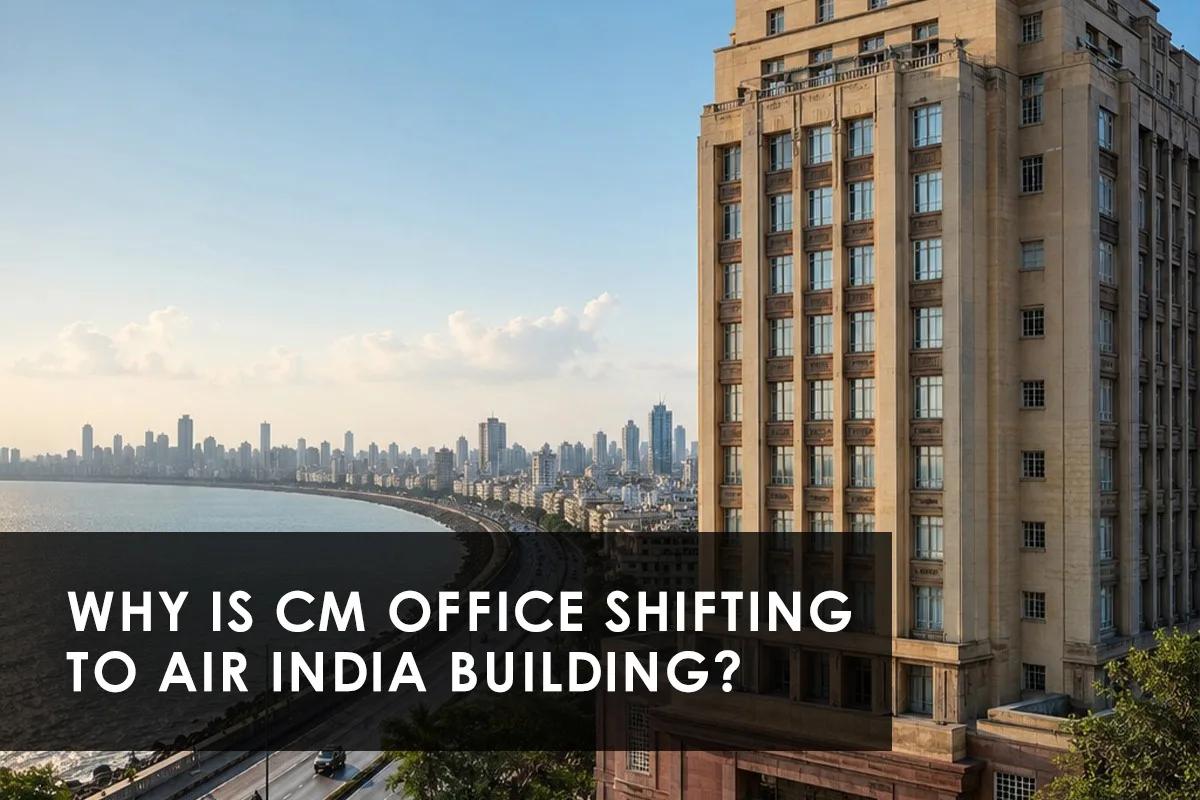
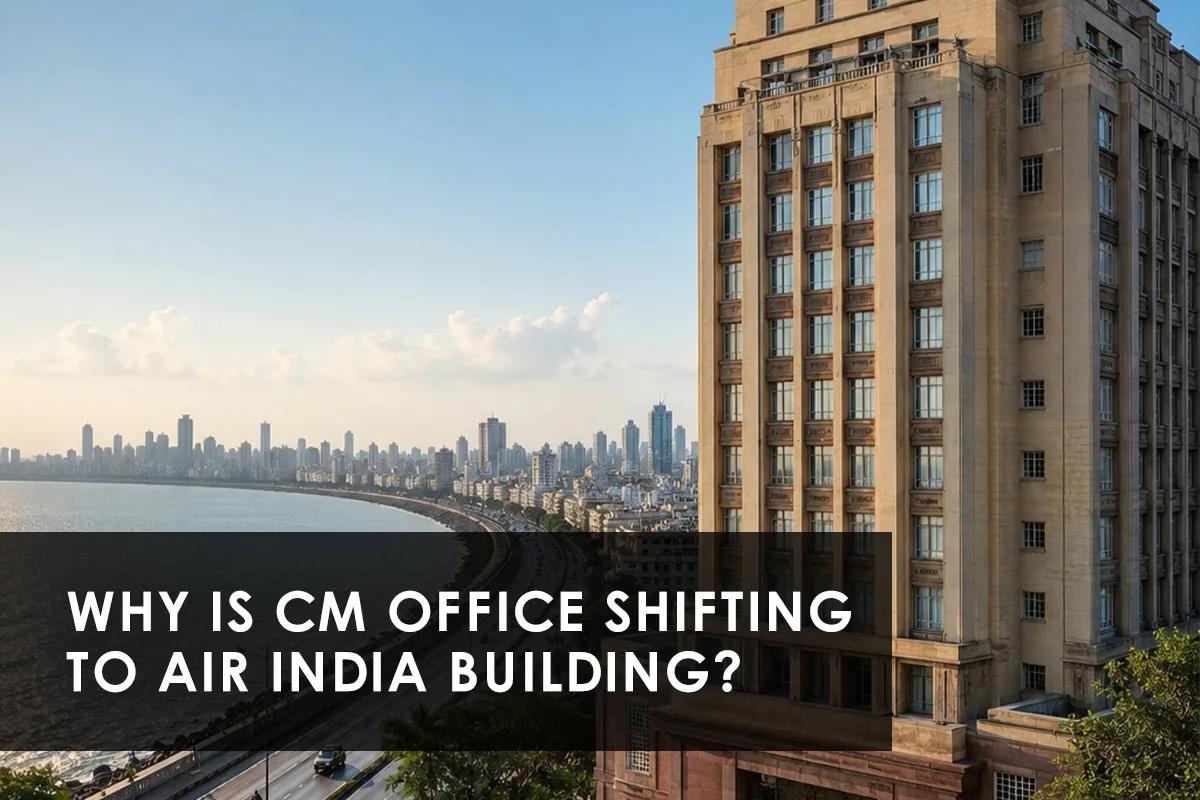
From Airline Headquarters To Mantralaya Overflow: Fadnavis Set To Move Into Nariman Point's Sea-Facing Tower. There's something almost poetic about a building that once housed India's national airline now becoming the seat of Maharashtra's chief minister. But strip away the symbolism for a second, because the real story here is about square footage, rent bills, and a government finally deciding it's cheaper to own than to keep paying landlords across South Mumbai.
Consolidating scattered offices under one roof, rather than symbolism alone, is really what's driving this move.
The Air India building at Nariman Point isn't some random acquisition. Built in 1974 on land the state government actually owned, the 23 storey sea facing tower served as the airline's corporate headquarters right up until 2013. After Air India's privatisation and its handover to the Tata Group, the tower slipped into the non core asset pile managed by Air India Assets Holding Limited, waiting for a buyer with deep enough pockets and a genuine use for it.
The state government closed the deal last month for ₹1,601 crore, a number that raised eyebrows given the building's age, but makes far more sense once you understand what Mantralaya has been dealing with for decades. Built way back in 1955, the state secretariat has simply run out of room, forcing the government to lease close to nine lakh square feet across scattered buildings in neighbouring pockets just to keep departments functioning.

Reports suggest the Chief Minister's Office will occupy the top floor, with a brand new Cabinet Hall spanning over 13,000 square feet coming up on the 22nd floor. It isn't just Fadnavis relocating either, virtually every department currently paying rent outside Mantralaya is expected to shift into this single tower once refurbishment wraps up. Consolidating scattered offices under one roof, rather than symbolism alone, is really what's driving this move.
Here's where the math gets interesting. Officials estimate the government will save close to ₹200 crore every single year once rented spaces are vacated and departments settle into the Air India tower. That's not a one time saving either, it compounds year after year, which arguably makes the ₹1,601 crore purchase price look far more reasonable within just a handful of years.
What's easy to miss is that this plan has been floating around for years. Fadnavis himself pushed for a similar arrangement back when he first held the CM's chair, even proposing an underground tunnel connecting the tower to Mantralaya at one point. Political shifts in the state delayed things considerably, but the underlying logic, that South Mumbai desperately needed more administrative space, never really went away.
Nariman Point has spent recent years watching corporate tenants drift toward newer business districts like BKC and Lower Parel, leaving several older towers with patchy occupancy. A government administrative hub moving in reverses that quietly, bringing steady footfall and relevance back to a precinct that once defined Mumbai's commercial skyline. It's an interesting twist, government offices reviving a commercial address rather than the other way around.

None of this happens overnight. A structural audit is expected before any department actually relocates, simply because a building constructed in the 1970s needs proper vetting before it starts hosting sensitive administrative functions. Officials have also indicated the redevelopment will prioritise practical upgrades over cosmetic ones, which honestly feels like the right call given the building's age and purpose.
Cash strapped governments across India rarely get an opportunity this clean, buy an existing landmark tower instead of constructing a new one from scratch, and use it to plug a decades old space crunch. If Maharashtra pulls this off smoothly, other states wrestling with their own overcrowded secretariats might start eyeing similar solutions rather than sinking years into fresh construction.
Maharashtra's decision to shift the Chief Minister's office into Mumbai's iconic Air India building marks a practical fix for a problem that's existed since Mantralaya was built in 1955. With the government expecting to save nearly ₹200 crore annually in rent once departments consolidate under one roof, the ₹1,601 crore acquisition looks increasingly justified. Beyond the administrative logic, the move also breathes fresh life into Nariman Point's commercial standing within South Mumbai.


Find Detailed Answers to Frequently Asked Questions to Help You Make Smart and Confident Real Estate Decisions
The government is moving to consolidate scattered departments, which have outgrown the current Mantralaya. This move aims to reduce significant annual rent expenses.
Officials estimate the government will save approximately ₹200 crore annually by vacating leased spaces and moving into the consolidated building.
Built in 1974 on state-owned land, it served as Air India's headquarters until 2013. After privatization, it became a non-core asset awaiting a buyer.
The Chief Minister's Office will occupy the top floor, a new Cabinet Hall will be on the 22nd floor, and other departments currently renting space will relocate here after refurbishment.
No, the plan has been considered for years, with CM Fadnavis previously advocating for a similar consolidation of administrative space.
The relocation of a government administrative hub to the Air India building brings steady footfall and renewed relevance to Nariman Point, a precinct that has seen corporate tenants move to newer districts.