Introduction
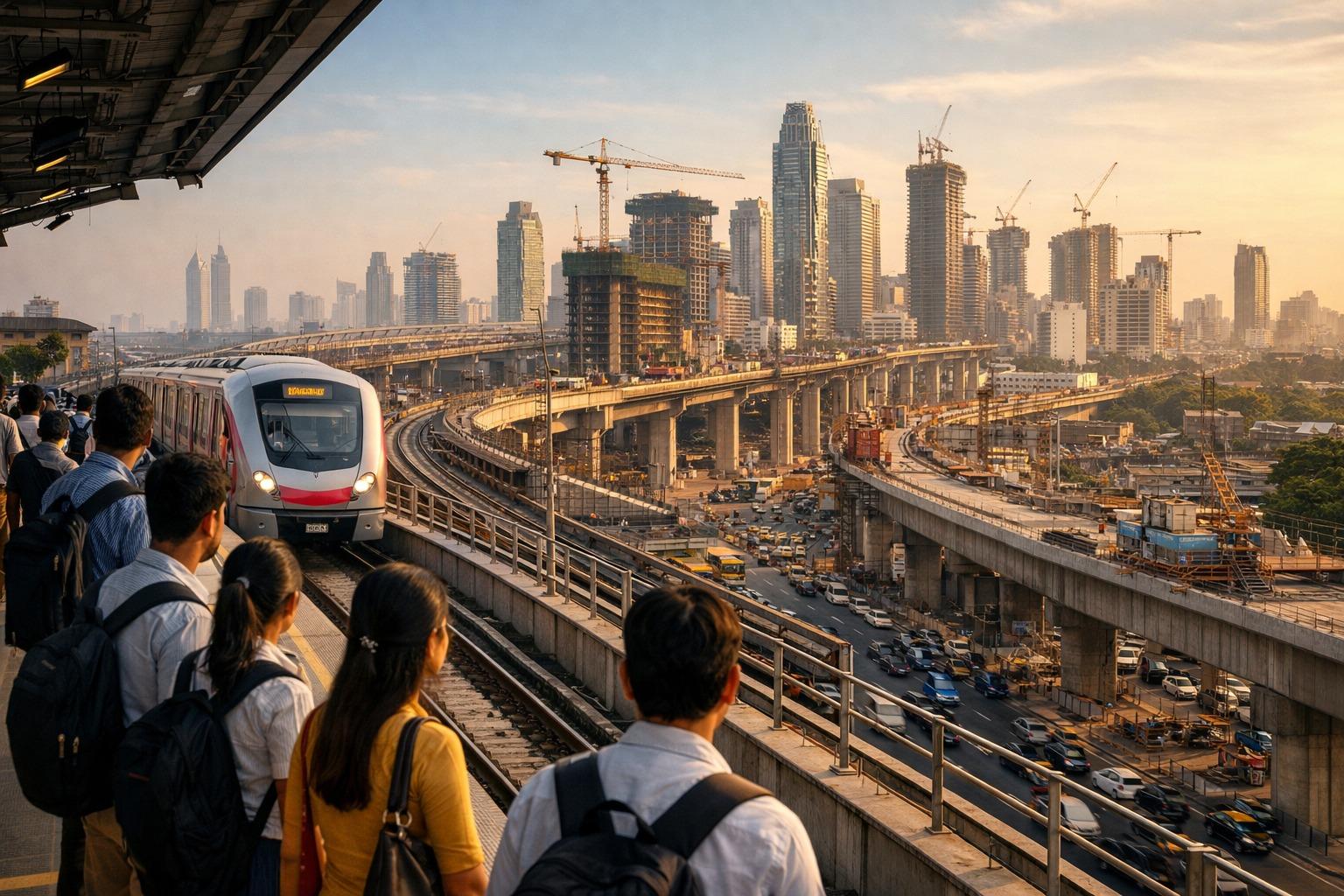
Mumbai crossed a significant milestone in April 2026. With the launch of two new corridors, the city's operational metro network crossed 100 kilometres, making it the second city in India after Delhi to achieve that scale. And 2026 is far from done. Multiple corridors are either already open or set to become operational before the year ends. For daily commuters, property buyers, and anyone tracking how the city is physically changing, these five metro lines are the ones to watch.
Metro Line 9: Mumbai's First Link to Mira-Bhayandar
Metro Line 9 was inaugurated on 7 April 2026 by Chief Minister Devendra Fadnavis. Phase 1 of this corridor connects Dahisar East to Kashigaon in Mira-Bhayandar, covering four stations including Dahisar, Pandurang Wadi, Mira Gaon, and Kashigaon. This is the first metro corridor to enter the Thane district, extending rapid transit beyond Mumbai's traditional city limits into the rapidly growing northern belt.
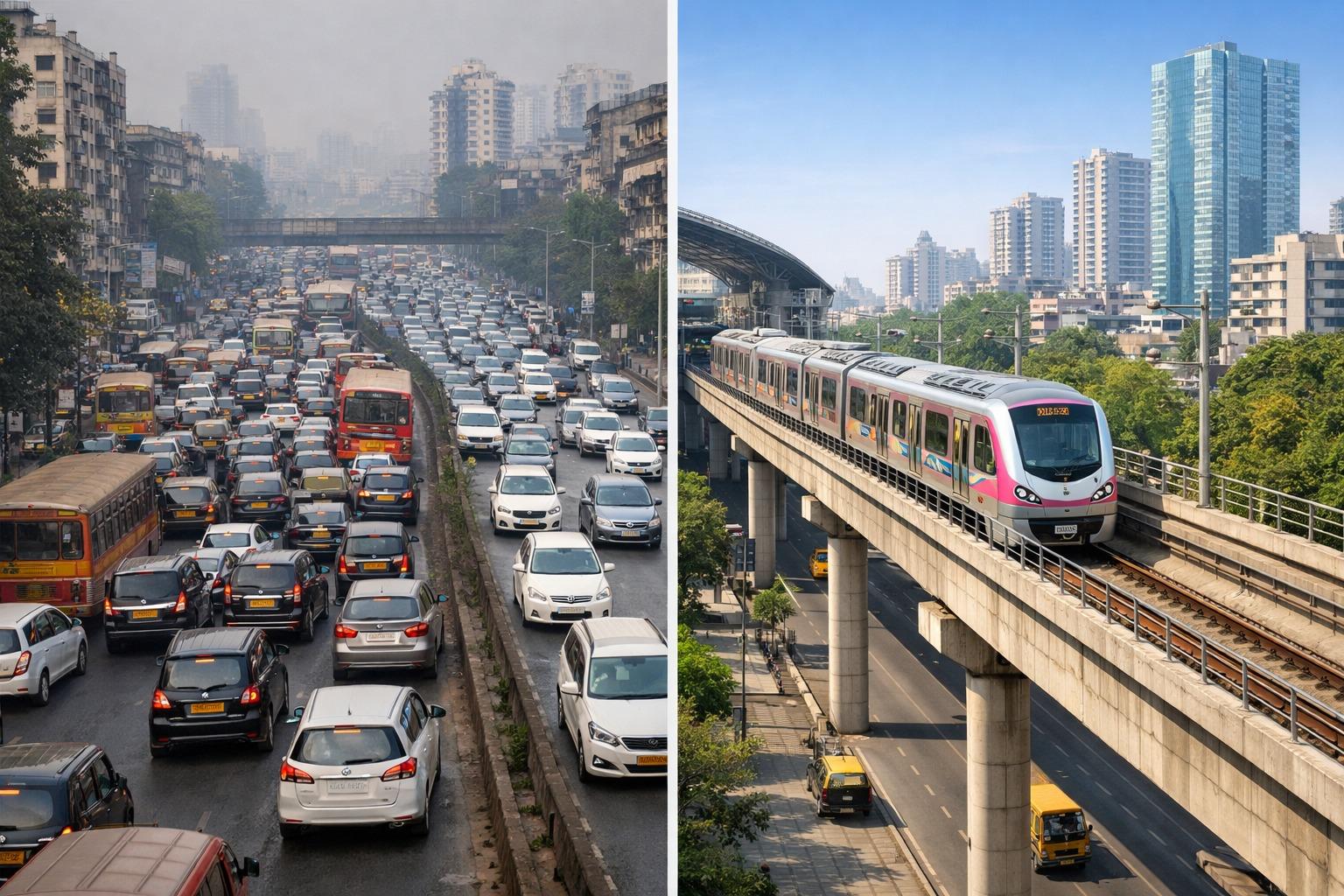
The strategic significance of Line 9 lies in its integration with the existing network. Dahisar East becomes a pivotal interchange hub connecting Lines 2A, 7, and now Line 9. Commuters can travel directly from Andheri East all the way to Mira-Bhayandar without changing trains. Travel time from Mira-Bhayandar to central Mumbai is projected to drop to around 30 minutes, compared to the often gridlocked road journey. Full completion of Line 9 with all 13 planned stations will follow in subsequent phases.
Metro Line 2B: Harbour Line Areas Finally Get Metro Access
Also inaugurated on 7 April 2026, Metro Line 2B Phase 1 runs from Mandale to Diamond Garden in Chembur, bringing metro connectivity to key Harbour Line areas like Chembur for the first time. The western portion of Line 2B, connecting DN Nagar to Khar, is expected to become operational by mid-2026, which will eventually create an east-west corridor running from Andheri West through Bandra and BKC to Mandale. When fully operational, Line 2B will be one of the most strategically important corridors in the network, linking two historically under-connected halves of the city.
Metro Line 3: The Underground Aqua Line
Metro Line 3, Mumbai's first fully underground metro, was completely operational by late 2025 and continues to reshape daily commuting in 2026. Running 33.5 kilometres from Cuffe Parade in South Mumbai to Aarey JVLR in the north, it provides the city's first direct rapid transit connection between the central business district and the international airport. The Aqua Line also connects to Line 1 at Marol Naka, creating an interchange that is now one of the busiest in the network. For South Mumbai residents and airport travellers, Line 3 has been transformational.
Metro Line 4 and 4A: Thane Gets Connected
Metro Lines 4 and 4A together form a crucial connection between Mumbai and Thane. The initial 10.5-kilometre stretch in Thane, running from Cadbury Junction to Gaimukh, is targeted for opening in 2026. Line 4A, a 2.7-kilometre spur connecting Kasarvadavali to Gaimukh, forms part of this phased rollout. A subsequent extension from Gaimukh to Gandhi Nagar in Vikhroli is targeted within the following six months. The full 60-kilometre Mira-Bhayandar-Gaimukh-Kasarvadavali-Wadala alignment will be completed by 2027, forming one of the longest corridors in the network and fundamentally changing connectivity between Mumbai and Thane.
Metro Line 6: The East-West JVLR Connector
Metro Line 6, running along the Jogeshwari-Vikhroli Link Road, is expected to become fully operational by mid-2026. This east-west corridor fills a critical gap by connecting suburbs that currently have no direct rapid transit link. Its route through the JVLR corridor, one of Mumbai's most commercially active east-west arterial roads, makes it significant for both daily commuters and commercial real estate activity in the Powai, Jogeshwari, and Vikhroli areas.
What This Means for Mumbai's Real Estate
Every metro corridor that opens in a city reprices the land around it. Properties near Line 9 stations in Mira-Bhayandar are already seeing improved investor interest following the inauguration announcement. The Harbour Line areas around Line 2B stations can expect similar tailwinds as connectivity improves. For buyers evaluating residential property in Mumbai's suburbs in 2026, proximity to these new corridors is one of the most reliable appreciation signals available.
Summary
Mumbai's five most significant metro developments of 2026 are Metro Line 9 linking Dahisar East to Mira-Bhayandar, Metro Line 2B Phase 1 connecting Harbour Line areas through Chembur, the fully operational underground Metro Line 3 Aqua Line, the phased launch of Metro Lines 4 and 4A through Thane, and Metro Line 6 along the JVLR corridor. Together, they push Mumbai past 100 kilometres of operational metro, improve daily commutes for millions, and create real estate appreciation opportunities across the northern and eastern suburbs.