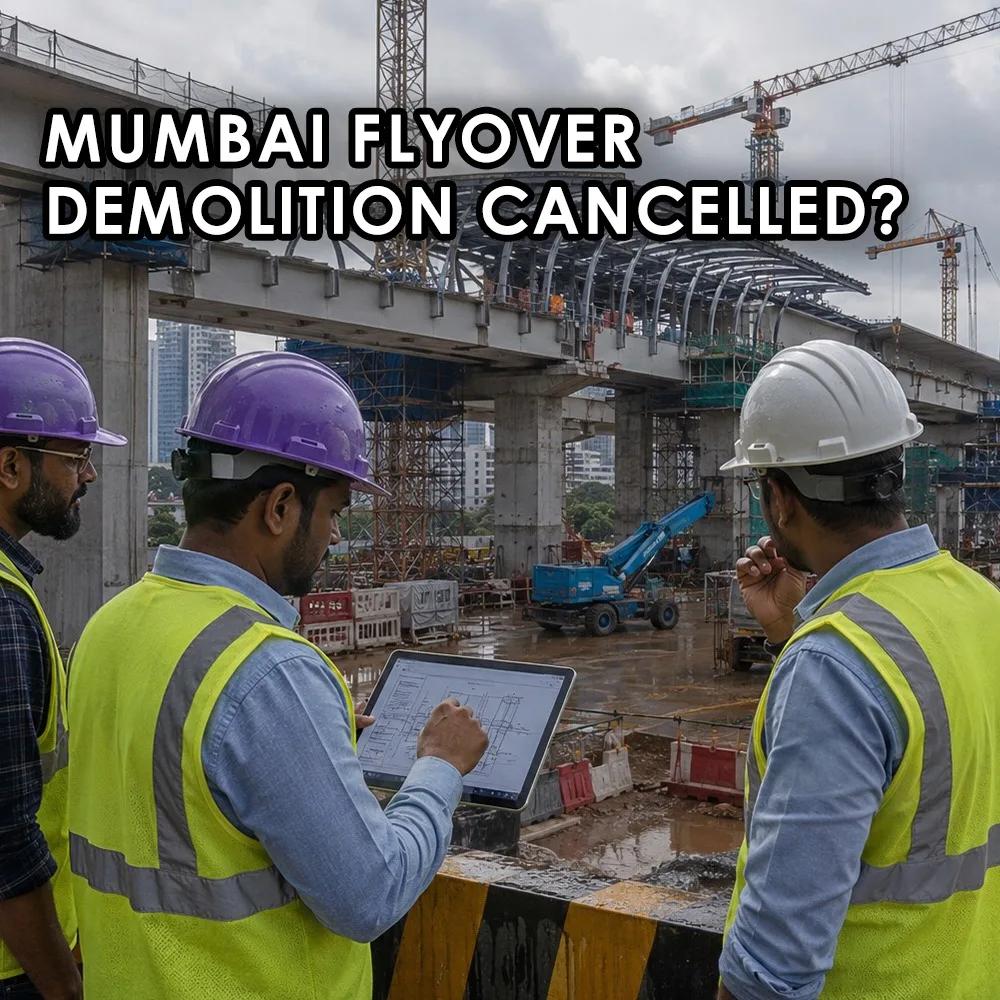
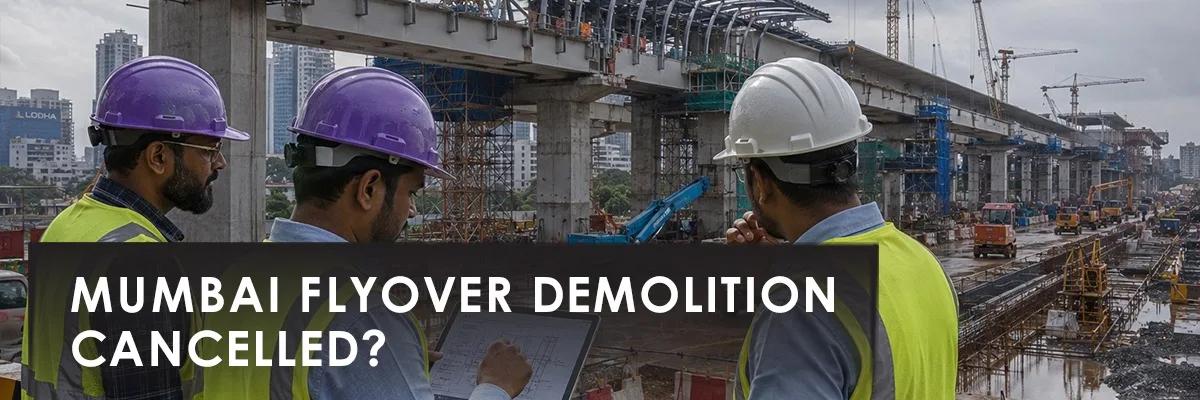
Demolition orders rarely get reversed once they're on paper, but that's exactly what happened with a flyover in Goregaon West this year. The Veer Savarkar flyover, barely seven years old, was staring down a wrecking ball until a technical review changed the entire course of the project. It's a small story in the grand scheme of Mumbai's infrastructure, yet it says a lot about how planning decisions actually get made, or unmade.
The BMC had originally planned to tear down this flyover to make room for the Versova to Dahisar Link Road, a project meant to ease east west movement across the western suburbs. On paper, it made sense, the new link road needed space and alignment that the existing structure seemed to block. But demolishing a working flyover, even one only seven years old, is never a small decision, both in cost and in the traffic chaos it would trigger.
Bridge alignment, turning radius, and span clearance all factor into whether a new road can weave around an existing structure or has to go through it. Contractors working on the link road apparently concluded the old flyover's footprint didn't leave enough room to proceed without tearing it down. That assumption held for a while, until someone decided to ask a more technical question before accepting it as final.
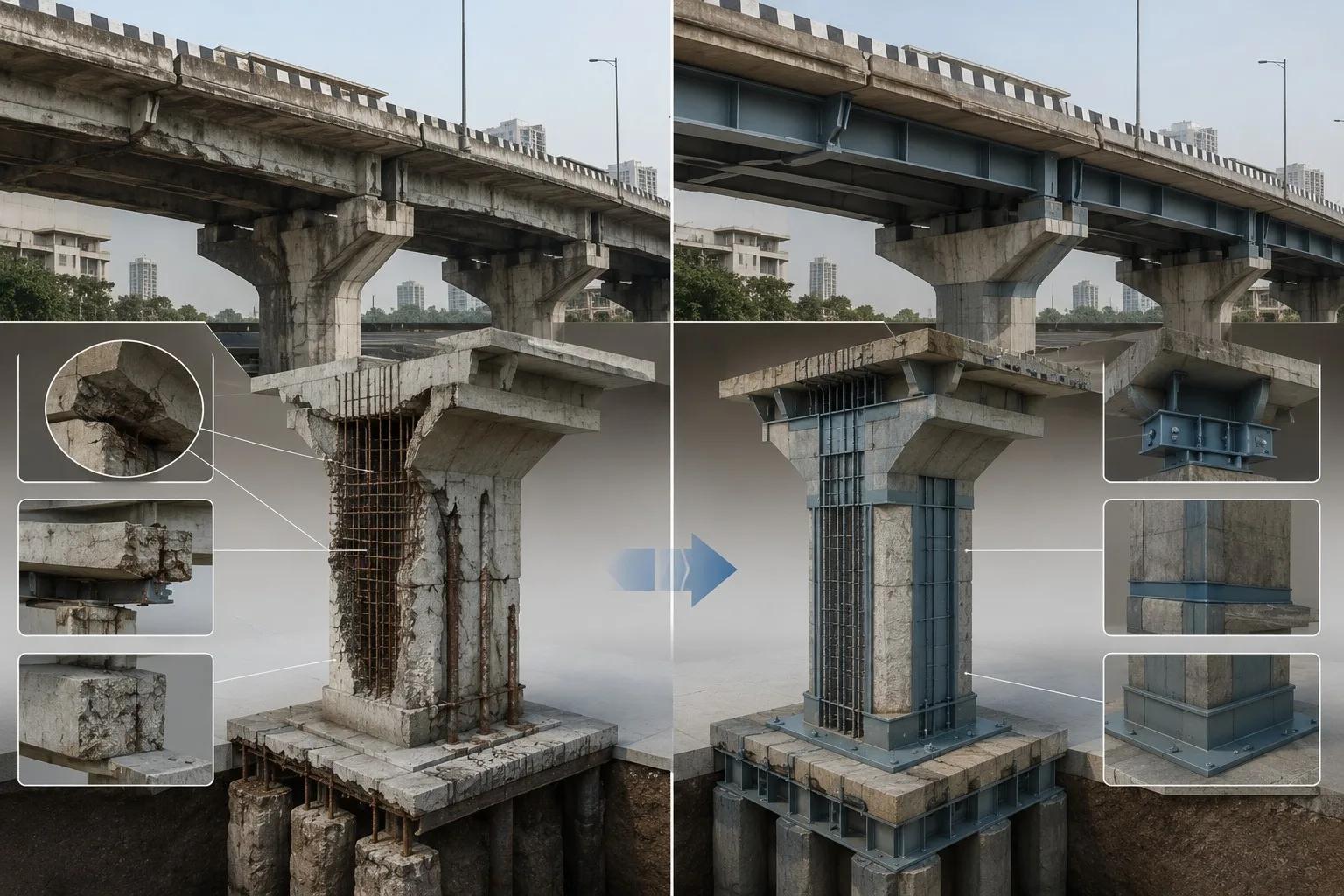
That's where IIT Bombay stepped in. An expert team from the institute visited the site in December to physically inspect the flyover, checking its alignment, clearance and turning radius against what the new link road actually required. Rather than confirming demolition was the only path, the team explored whether revised engineering could make coexistence possible.
The alternative that emerged involved monopile foundations, essentially single deep pillars supporting the new structure instead of the wider footings a conventional design would need. This approach lets the new flyover's supports fit into tighter spaces without disturbing the existing bridge above or around it. It's a neat workaround, frankly, the kind of solution that only shows up when someone bothers to look twice at a problem instead of accepting the first answer.
Once the contractor submitted revised drawings incorporating this monopile approach, IIT Bombay reviewed and approved the design. That approval was enough for the BMC to officially drop its demolition plan in January. Seven years of usage, and a fair amount of public money already spent building it, were preserved with one design change.
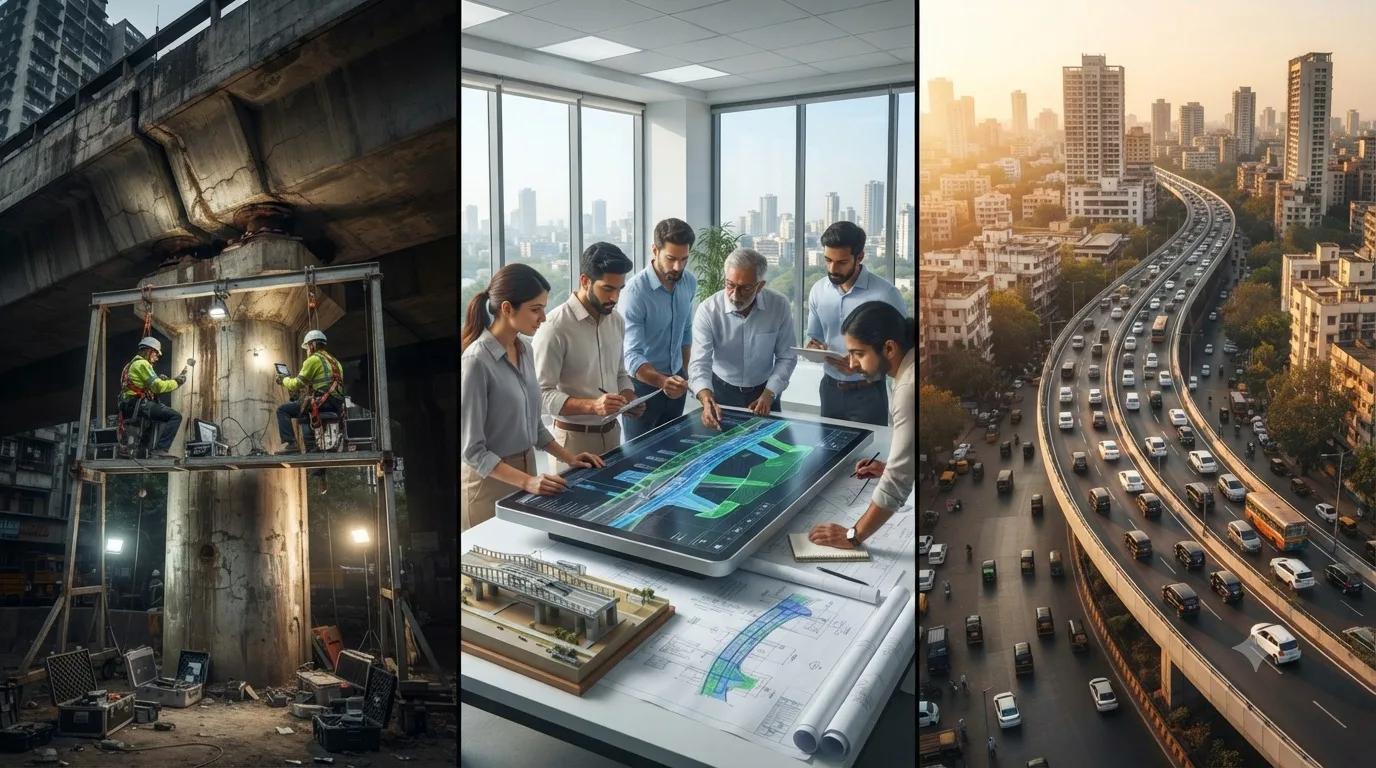
For residents around Goregaon, this decision spares them months of detours and the traffic mess that flyover demolitions usually bring. The Versova Dahisar Link Road project continues moving forward regardless, just built around the existing structure rather than through it. Sometimes the best infrastructure outcome isn't the boldest one, it's the one that avoids unnecessary disruption altogether.
This isn't an isolated case either. Around the same period, BMC also approached IIT Bombay for guidance on a tricky sharp curve design for a separate flyover project near Bhandup station. It suggests civic bodies here are leaning more on academic expertise before finalising expensive, disruptive decisions, which honestly should have been standard practice all along.
A flyover in Goregaon that was headed for demolition has been saved after IIT Bombay approved a revised monopile design for the Versova Dahisar Link Road project. The BMC dropped its original plan once engineers confirmed the new structure could be built around the existing bridge instead of replacing it. For commuters, it means one less disruption, and for Mumbai's infrastructure planning, it's a reminder that technical review before demolition can genuinely change outcomes.


Find Detailed Answers to Frequently Asked Questions to Help You Make Smart and Confident Real Estate Decisions
The BMC planned to demolish the flyover to make space and achieve the necessary alignment for the new Versova-Dahisar Link Road, as contractors initially believed the existing structure blocked the path.
An IIT Bombay expert team inspected the site and explored alternative engineering solutions. They proposed using monopile foundations for the new link road, which would allow it to be built around the existing flyover without requiring its demolition.
Monopile technology involves using single, deep pillars for foundations, enabling structures to fit into tighter spaces. This allowed the new link road's supports to be installed without disturbing the existing flyover, making coexistence possible.
For commuters, this decision means avoiding months of detours, traffic chaos, and disruption that a flyover demolition would have caused, while the Versova-Dahisar Link Road project continues as planned.
Yes, this incident, along with BMC consulting IIT Bombay for another flyover project, suggests a growing pattern where civic bodies are increasingly relying on academic and technical expertise to avoid costly and disruptive decisions in infrastructure planning.