


There is no scientific proof that a home’s direction affects health, wealth or luck. Still, Anarock research suggests roughly 80 percent of Indian buyers treat Vastu compliance as important, so it influences demand and resale even if the claims cannot be tested. Treat it as a cultural preference, one you are free to weigh as much or as little as you like.


Find Detailed Answers to Frequently Asked Questions to Help You Make Smart and Confident Real Estate Decisions
According to Vastu Shastra, north, east, or northeast facing main entrances are generally considered the most auspicious. North is linked with wealth, and east with vitality and morning sunlight. The northeast corner (Ishanya) is especially favorable.
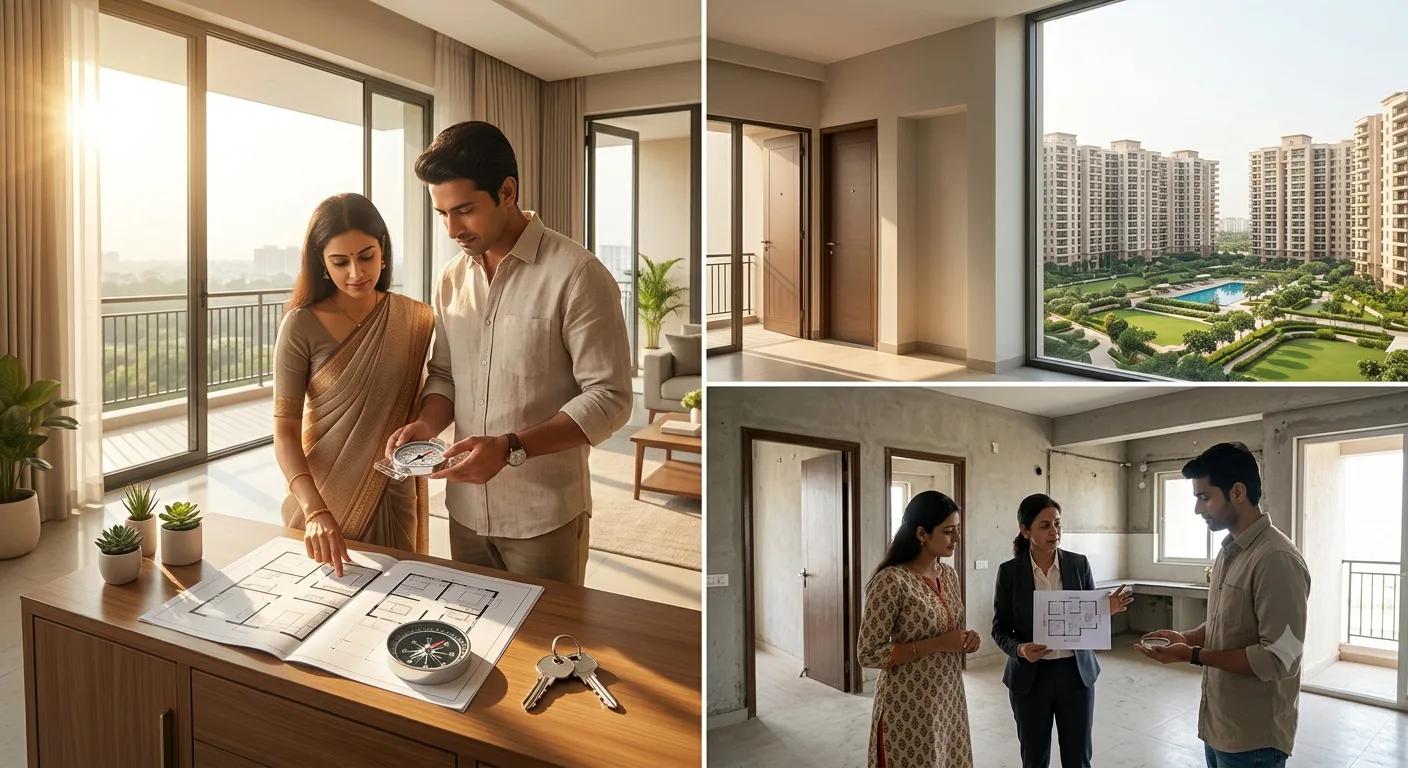
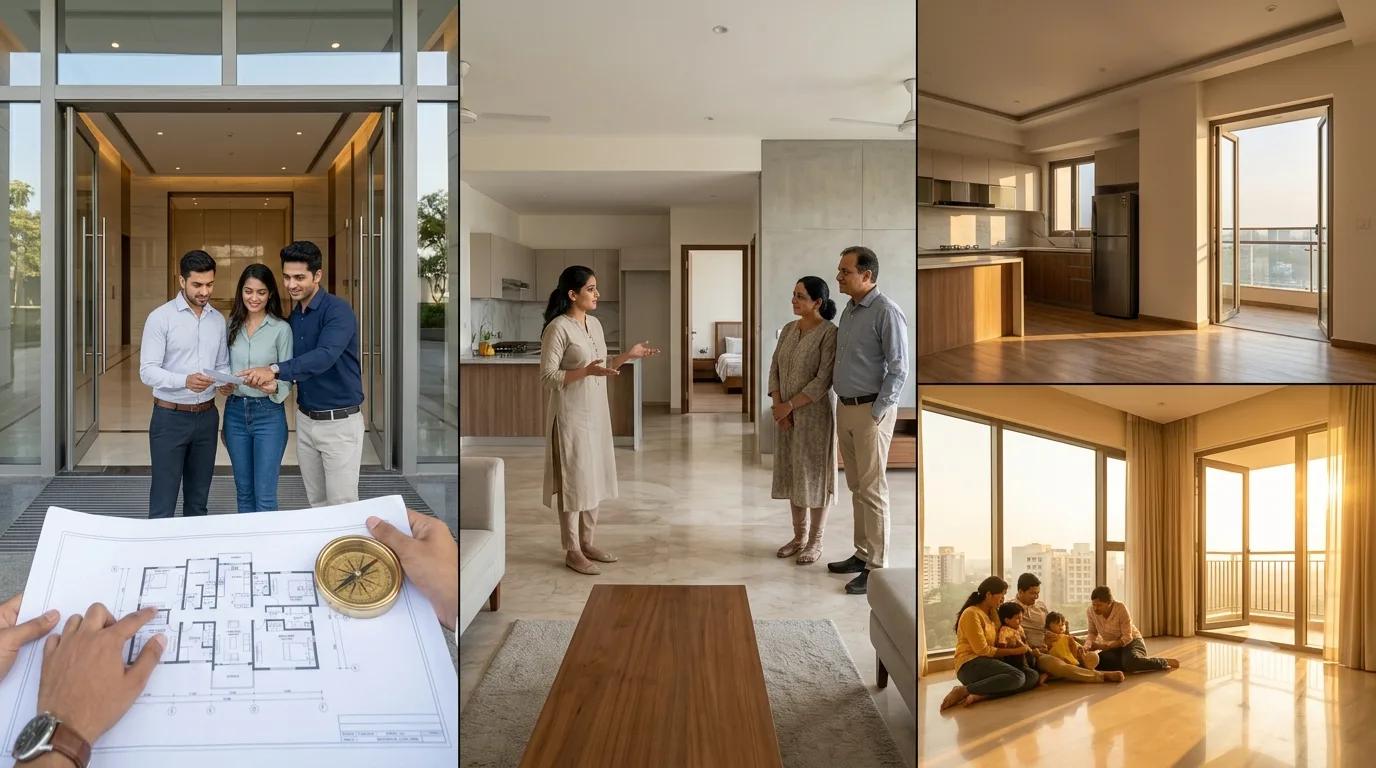
The facing direction of a house is determined by the direction you face when stepping out of the main entrance. It's crucial to check this with a compass from outside the main door, as balconies or windows are not considered.
While south and west-facing homes often get a mixed reception, some Vastu practitioners believe they are not necessarily inauspicious if the internal layout adheres to Vastu principles. It's recommended to consult multiple experts.
Vastu suggests placing the kitchen in the southeast, the master bedroom in the southwest for stability, the pooja room in the northeast, and the living room in the north, east, or northeast. Staircases are advised toward the south or west, and toilets away from the northeast.
Absolutely. Practical factors such as natural light, ventilation, noise levels, and the quality of construction are crucial. Even the best Vastu direction cannot compensate for poor living conditions. Homebuyers should prioritize these during site visits.
North and east-facing units, being in high demand due to Vastu recommendations, often carry a higher price. It's important to evaluate if the premium is worth it for your family and if a better-located or better-lit flat facing another way could be purchased within the same budget.


