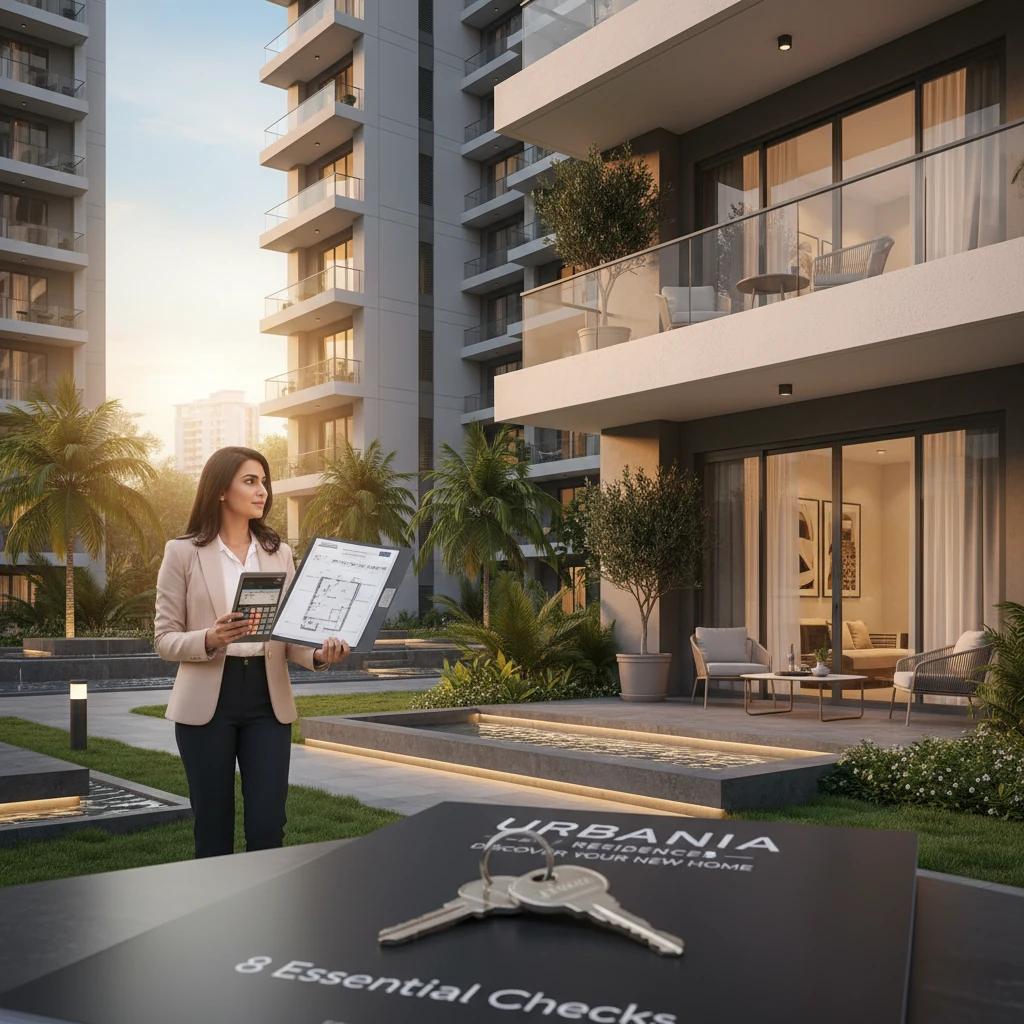
Patience now can prevent expensive regrets later.
Introduction
Prices in established neighbourhoods can feel out of reach, so many buyers turn to the fresh suburbs rising on the city edge. The logic is easy to follow. Lower rates, bigger flats, and the hope that values climb once roads and shops arrive. But a newly developed area is a promise still in progress, and promises need checking. Here are eight things to verify before you hand over any booking amount.
Verify the RERA Record
Begin with the paperwork that is easiest to check. Every eligible project must carry a RERA registration number, and you can search it on your state’s RERA website. Compare the promised completion date, the approved layout and the developer’s name with what the salesperson told you. If the number is missing or the details do not match, walk away. That single step can save you a lot of trouble.
Trace the Land Title
Next, ask who really owns the land and whether it is free of disputes. Ask to see the title documents and the sanctions from the local authority, such as the commencement certificate. Hire an independent property lawyer for the title search, because the developer’s lawyer works for the developer. Fresh areas often come from farm or industrial land that changed use, so confirm the conversion was done properly.
Study the Developer
Visit two or three of the builder’s earlier projects, ideally ones delivered a few years ago. Talk to the residents. Was possession on time? Does maintenance work? Is the building ageing well? Brochures show you the dream, but old residents show you the record. An unfamiliar builder is not automatically a bad one, though, so lean harder on the legal checks above.
Test the Connectivity
Sales pitches love phrases like upcoming metro and proposed highway. Ask which of these are approved, funded and under construction, and which exist only on a map. Then make the real journey to your workplace at peak hour. A newly developed area may look ten minutes from the station on paper and feel like forty in traffic.
Look for Daily Needs
A flat is only part of living somewhere. Check the nearest school, hospital, grocery store and bus stop. In many emerging pockets, these arrive years after the first residents do. Can you live with a long drive to a clinic for a while? If you have children or elderly parents, be strict about this one.
Ask About Water and Power
This is the check buyers forget. Find out where the water will come from, whether the municipal line has reached the area and how much depends on tankers or borewells. Ask about power backup, sewage treatment and storm drains. Visit after a heavy shower if you can. Waterlogging tells you more about a newly developed area than any glossy render ever will.
Compare the Price
Cheaper does not always mean better value. Ask for recent deal prices from nearby projects and compare the rate per square foot, not the total. Count how many other projects are launching in the same pocket, because heavy supply can slow price growth. Appreciation in a newly developed area is possible, but never guaranteed, so do not stretch your budget on hope.
Read the Possession Terms
Finally, read the agreement slowly. Confirm the carpet area, the possession date, the payment schedule and the penalty for delay. Carpet area is the usable floor space inside your flat, leaving out the walls and common areas. For an under construction flat, link payments to construction stages and avoid paying large sums upfront. And if something was promised verbally, get it in writing. An unwritten promise is only a conversation.
Summary
Buying in a newly developed area can reward you, but only if you do the homework. Check the RERA registration, trace the land title, study the builder, test the real connectivity, look at daily needs, ask about water and power, compare prices and read the possession terms. This flat buyer checklist will not remove every risk, yet it will remove the avoidable ones. Take your time, visit more than once, and decide with a calm head. Patience now can prevent expensive regrets later.