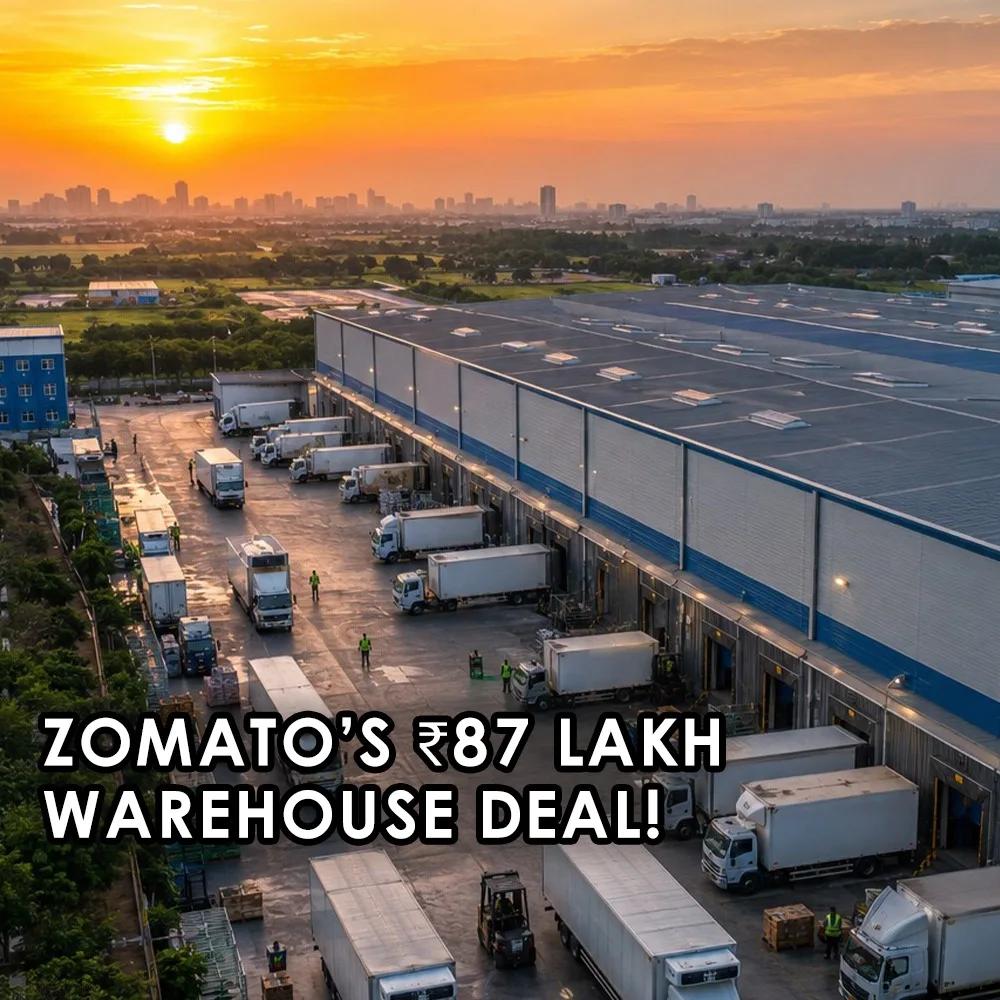
Every time you order from a restaurant that swears by its supply chain, there's a decent chance Hyperpure had something to do with it. Zomato's B2B kitchen supply arm has just added another warehouse to its growing list, this time in Chennai, at a monthly rent north of ₹87 lakh. Small headline, but it says a lot about where the company's priorities sit right now.
Zomato Hyperpure's fresh ₹87 lakh monthly warehouse lease in Chennai extends a pattern the company has followed across Mumbai and Thane, steadily building a nationwide storage and distribution network. Backed by substantial funding earmarked specifically for this expansion, the move strengthens Hyperpure's supply chain reach into South India while reflecting the broader momentum in India's industrial and warehousing real estate sector. For restaurants and landlords alike, this kind of deal signals where commercial demand is genuinely heading next.
Why Chennai, and Why Now
South India has always been a slightly tougher market for pan-India logistics players to crack, mostly because demand patterns and cuisine preferences differ so much from the north. A dedicated Chennai facility lets Hyperpure source, store, and dispatch region specific ingredients, seafood, local produce, South Indian staples, without routing everything through a distant hub first. That kind of localisation tends to matter more than people assume when you're supplying thousands of restaurant kitchens daily.
This Isn't an Isolated Deal
Hyperpure has been on a genuine warehousing spree over the past year and a half. It picked up over 250,000 square feet in Lodha's industrial park near Mumbai at a starting rent past ₹85 lakh a month, then followed that with another large lease in Bhiwandi running into crores monthly. The Chennai facility slots neatly into this pattern, another node in what's clearly becoming a nationwide cold chain and dry storage network rather than a scattered set of one-off leases.
The Funding Behind the Expansion
None of this warehousing activity is happening on a shoestring. Zomato's parent company raised a substantial sum through a qualified institutional placement back in late 2024, and a meaningful chunk of that capital was specifically earmarked for building out dark stores and Hyperpure's warehouse network. Watching where that money has actually landed over the following months, Chennai included, gives a clearer picture of strategy than any press statement could.
What This Says About the Warehousing Sector Broadly
Foodtech companies leasing large industrial spaces isn't a standalone trend, it's riding alongside a much bigger warehousing boom across India's top cities. Grade A warehousing demand has climbed steadily over the past couple of years, pulled up by e-commerce, quick commerce, and B2B supply platforms all competing for the same well connected industrial belts. Rents in these pockets have been inching upward too, which makes every fresh lease announcement worth watching as a small barometer of where the sector is headed.
The Restaurant Side of the Equation
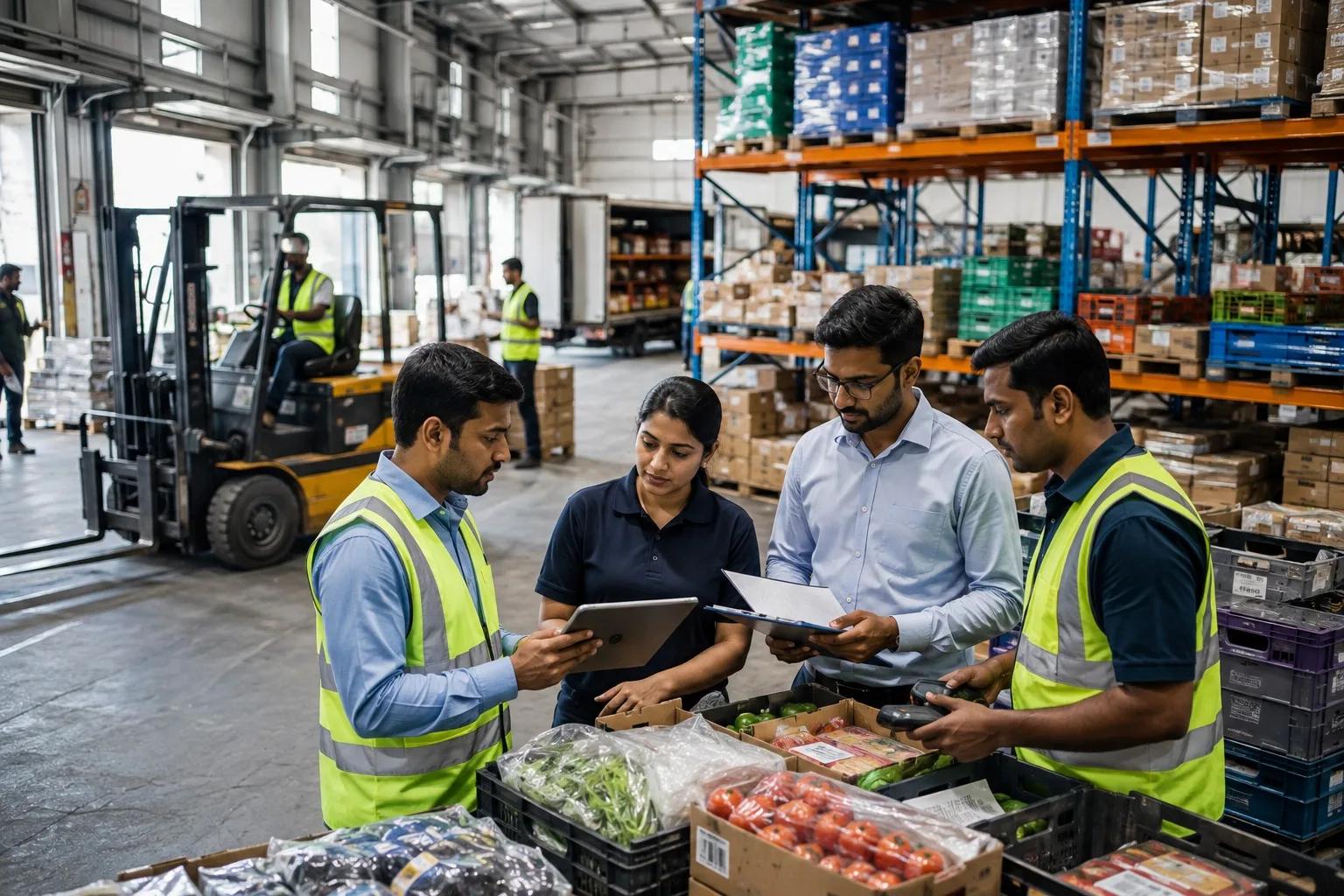
For restaurant owners, a Hyperpure warehouse showing up closer to their city usually translates into shorter delivery windows and fresher stock reaching their kitchens. Chennai's food scene, with its heavy reliance on fresh produce and seafood, arguably needs that kind of proximity more than most. A supply chain that shaves even half a day off delivery timelines can genuinely change how a restaurant manages its own inventory and wastage.
Where the Real Estate Angle Comes In
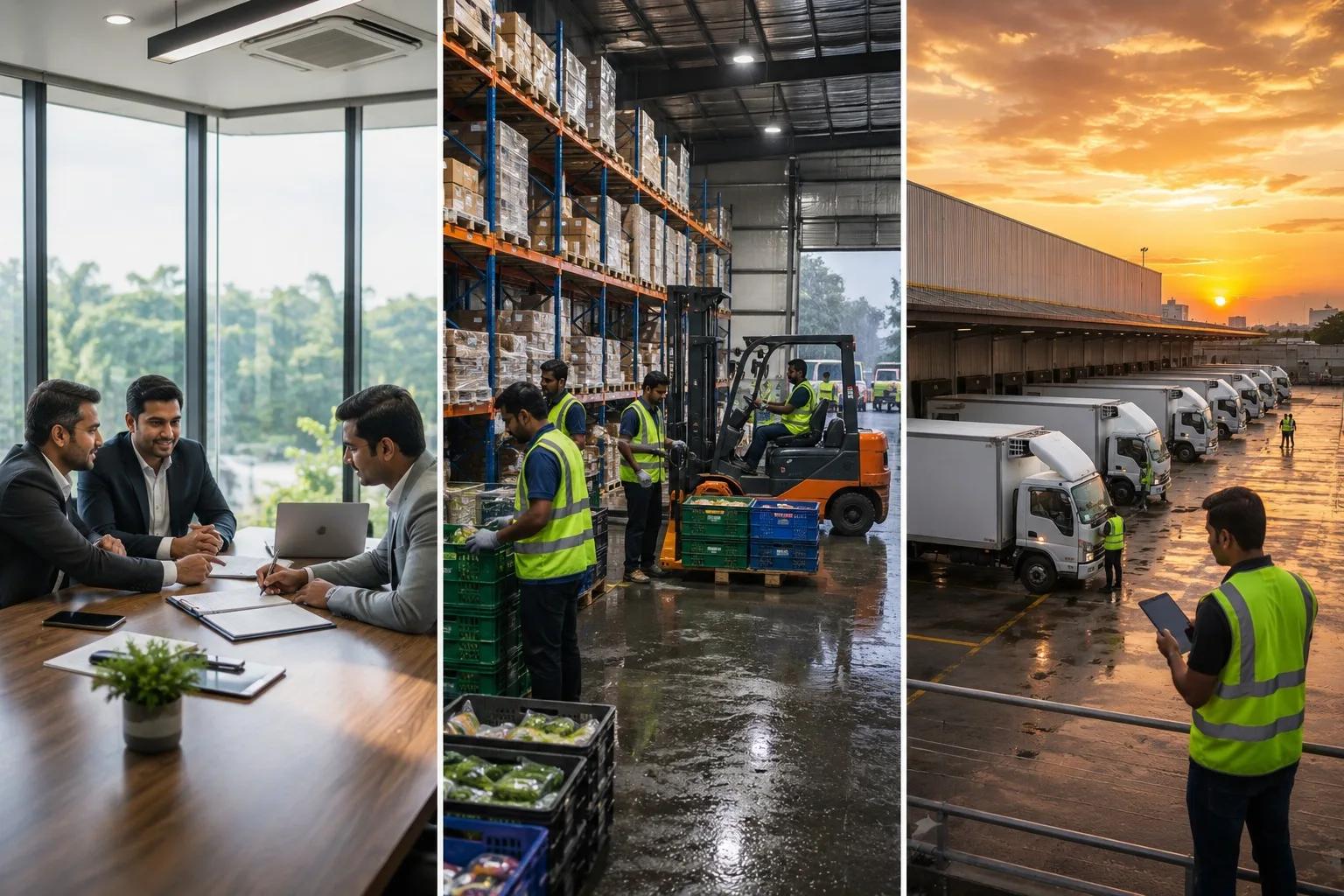
This deal also quietly reflects how commercial real estate demand has shifted in recent years. It's not just manufacturing units and traditional godowns chasing industrial land anymore, tech enabled supply chain companies are now some of the most active tenants in this space. Landlords and developers building out logistics parks have clearly taken note, tailoring facilities specifically for cold storage, packing lines, and rapid dispatch rather than plain static storage.
What Comes Next for Hyperpure
If the pattern from Mumbai and Thane holds, this Chennai lease probably won't be the last one this year. Companies operating at this scale rarely stop at a single facility per region, they tend to add capacity incrementally as demand in nearby micro markets grows. Anyone tracking industrial real estate closely should expect at least one more announcement from Hyperpure before the year wraps up.