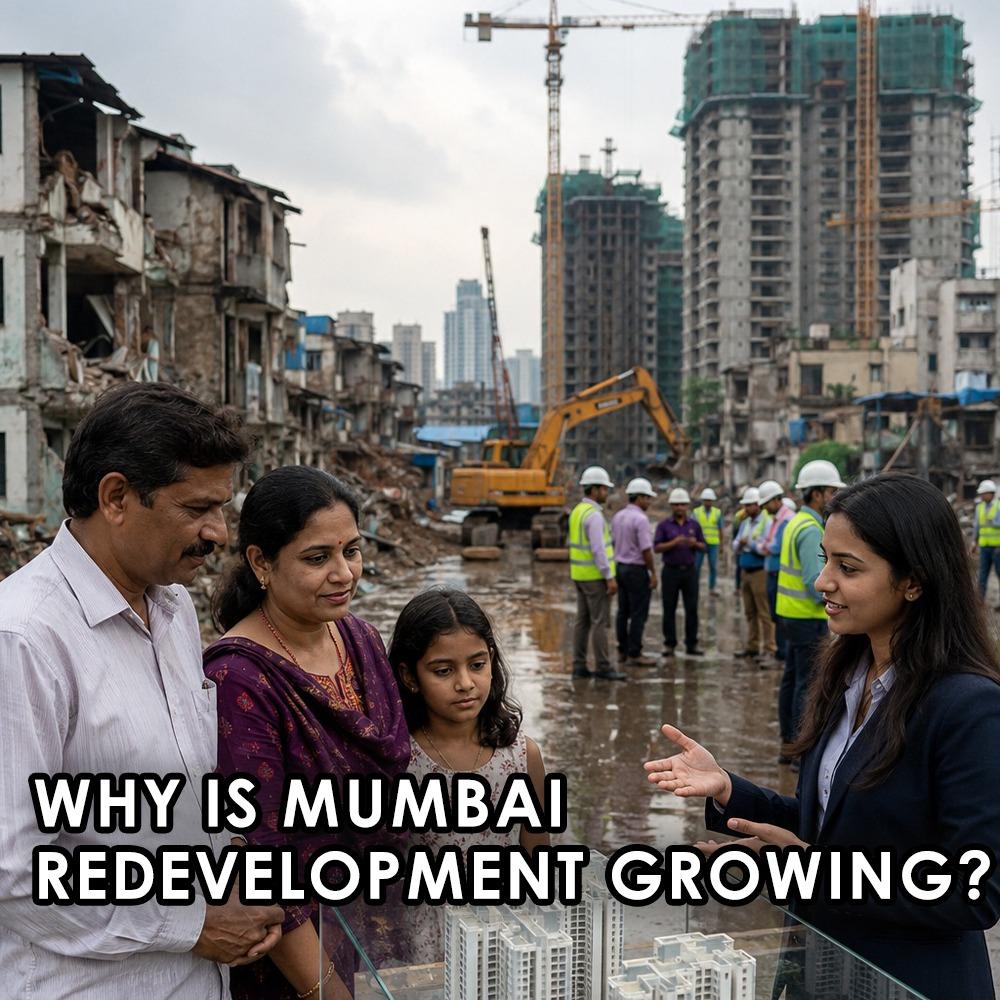
Anyone who has flown into Mumbai has seen it from the air, dense clusters of tin roofs pressed right against glass towers. For decades that contrast barely shifted. But something has genuinely changed in the last couple of years, and the numbers now being discussed inside Mantralaya are unlike anything Mumbai's slum rehabilitation authority has attempted before.
Dharavi alone, often called Asia's largest informal settlement, is now the centrepiece of a project valued near ninety five thousand crore rupees, with completion targeted for January 2032. Survey teams have already covered over fifty thousand households door to door, the highest number the Slum Rehabilitation Authority has ever recorded for a single project.
Older slum schemes moved plot by plot, often stalling for years over disputes with individual developers. The state's newer approach groups multiple slum pockets into large clusters and brings in bigger private players with deeper balance sheets, betting that scale itself solves problems smaller projects couldn't.
A joint entity between the Maharashtra government and a private developer is now running the Dharavi project end to end. An earlier survey back in 2007 had counted around sixty thousand eligible households, but unauthorised additional floors built since then have pushed that eligible count closer to one and a half lakh tenements today.
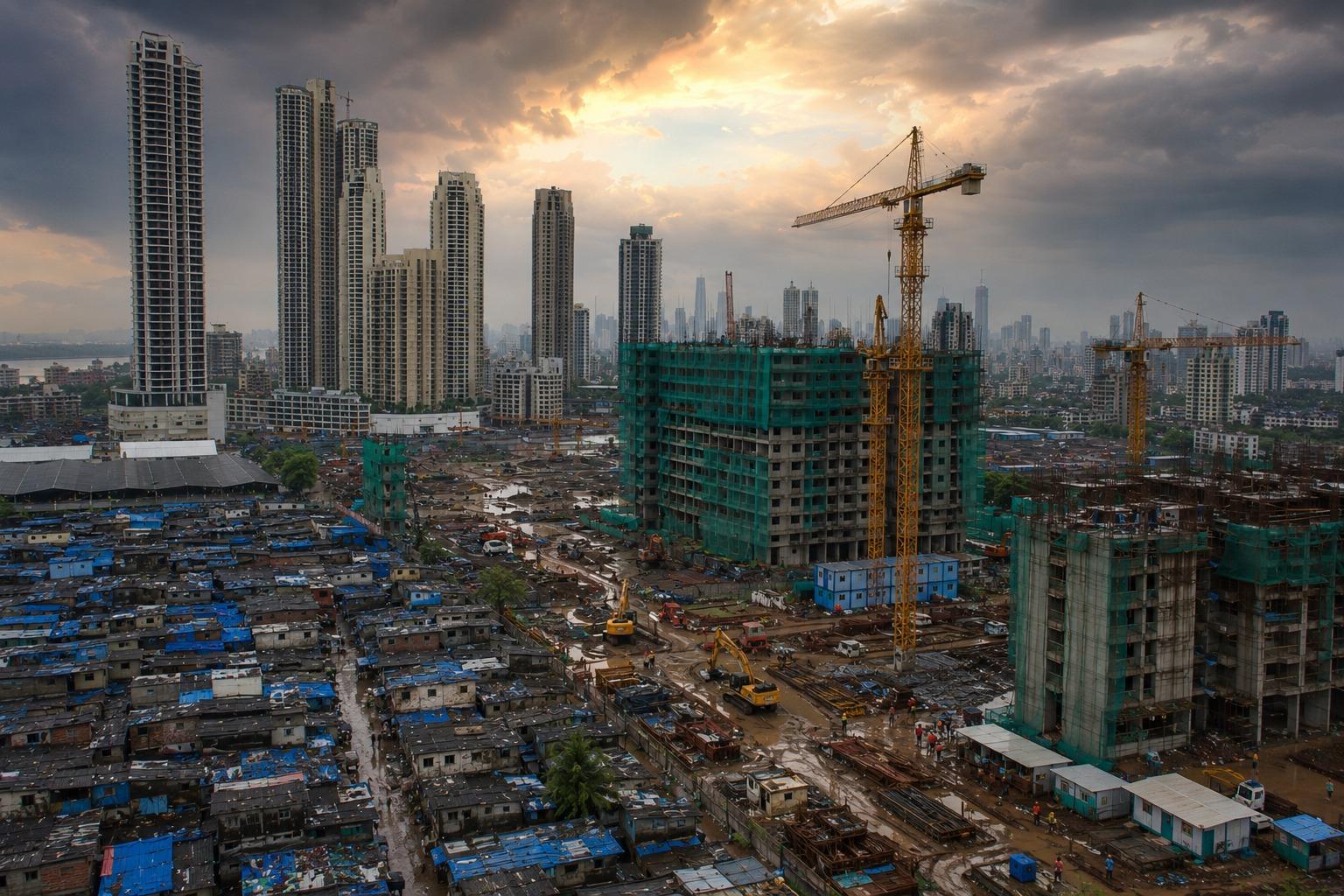
Money explains a lot of the urgency here. Private developers see enormous commercial upside in land parcels sitting minutes from the Bandra Kurla Complex, one of Mumbai's costliest business districts, where nearby rates already stretch past fifty thousand rupees per square foot.
Eligibility rules have gotten more specific too. Families settled before the year 2000 reportedly qualify for slightly larger flats than earlier SRA norms allowed, while those who arrived later face rental arrangements instead of ownership. It's a messy, deeply human process behind every spreadsheet row.
Dharavi isn't alone. Proposals covering roughly eight hundred fifty acres across areas like Antop Hill, Majaswadi and Behrambaug are already sitting with a state level committee awaiting approval. Add scattered redevelopment sites from Govandi to Bhandup, and Maharashtra's stated ambition of making Mumbai slum free by 2050 starts looking less like a slogan.
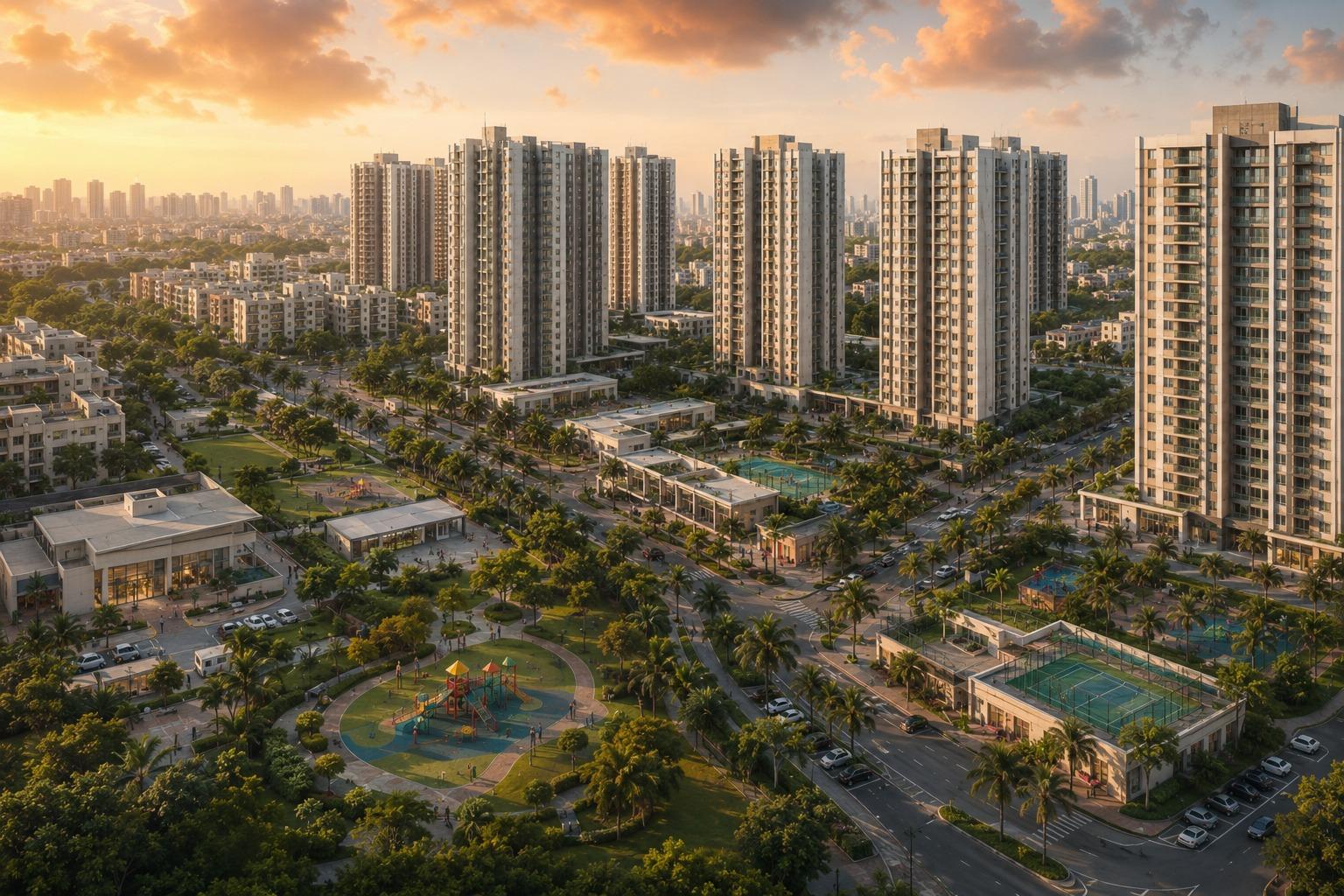
Big corporate names entering this space once seemed unlikely, given how politically sensitive slum redevelopment can get. Yet the appeal of central Mumbai land, combined with government backed fast tracking of approvals, has made these projects commercially attractive in a way they simply weren't a decade ago.
Property values in neighbourhoods bordering these clusters are already reacting. Brokers report growing buyer curiosity around areas that were considered undesirable just a few years back, purely because a mega project next door now promises modern infrastructure nearby.
Mumbai's slum redevelopment drive has reached a scale the city has never attempted before, anchored by the massive Dharavi project and several large clusters awaiting approval. Government backed fast tracking, private capital and a genuine push toward a slum free Mumbai by 2050 are converging at once. For residents and investors alike, this redevelopment wave is quietly reshaping how central Mumbai will look and function over the coming decade.


Find Detailed Answers to Frequently Asked Questions to Help You Make Smart and Confident Real Estate Decisions
The current efforts are unprecedented in scale, driven by a new government approach that groups multiple slum pockets into large clusters and involves significant private capital, unlike previous plot-by-plot schemes.
Dharavi, often called Asia's largest informal settlement, is the flagship project, valued at ₹95,000 crore, serving as a key example of the government's new large-scale, private-partnered approach.
Private developers are attracted by the enormous commercial upside of prime land parcels near business districts like Bandra Kurla Complex, combined with government-backed fast-tracking of approvals, making these projects commercially viable.
Maharashtra's stated ambition is to make Mumbai slum-free by 2050. Beyond Dharavi, numerous other large clusters and scattered sites are awaiting approval, indicating a comprehensive, city-wide transformation.
Eligibility rules have become more specific; families settled before the year 2000 may qualify for larger flats with ownership, while those who arrived later might be offered rental arrangements instead of direct ownership.