
Your First Home: Should You Pick a Gated Township or a Standalone Building?
Summary
Buying your first home in India? This guide helps first-time buyers choose between a gated community and a standalone building, comparing security, amenities, costs, and lifestyle to match individual needs and budget.

The Question That Trips Every First-Time Buyer
Buying your first home in India is equal parts exciting and overwhelming. You spend weeks shortlisting locations, comparing prices, and calculating EMIs. Then someone asks the one question you had not considered: do you want a gated community or a standalone building?
It sounds simple. It is not. The choice quietly shapes everything from your monthly outgo to your daily routine to what your property is worth ten years from now.
What Each One Actually Means
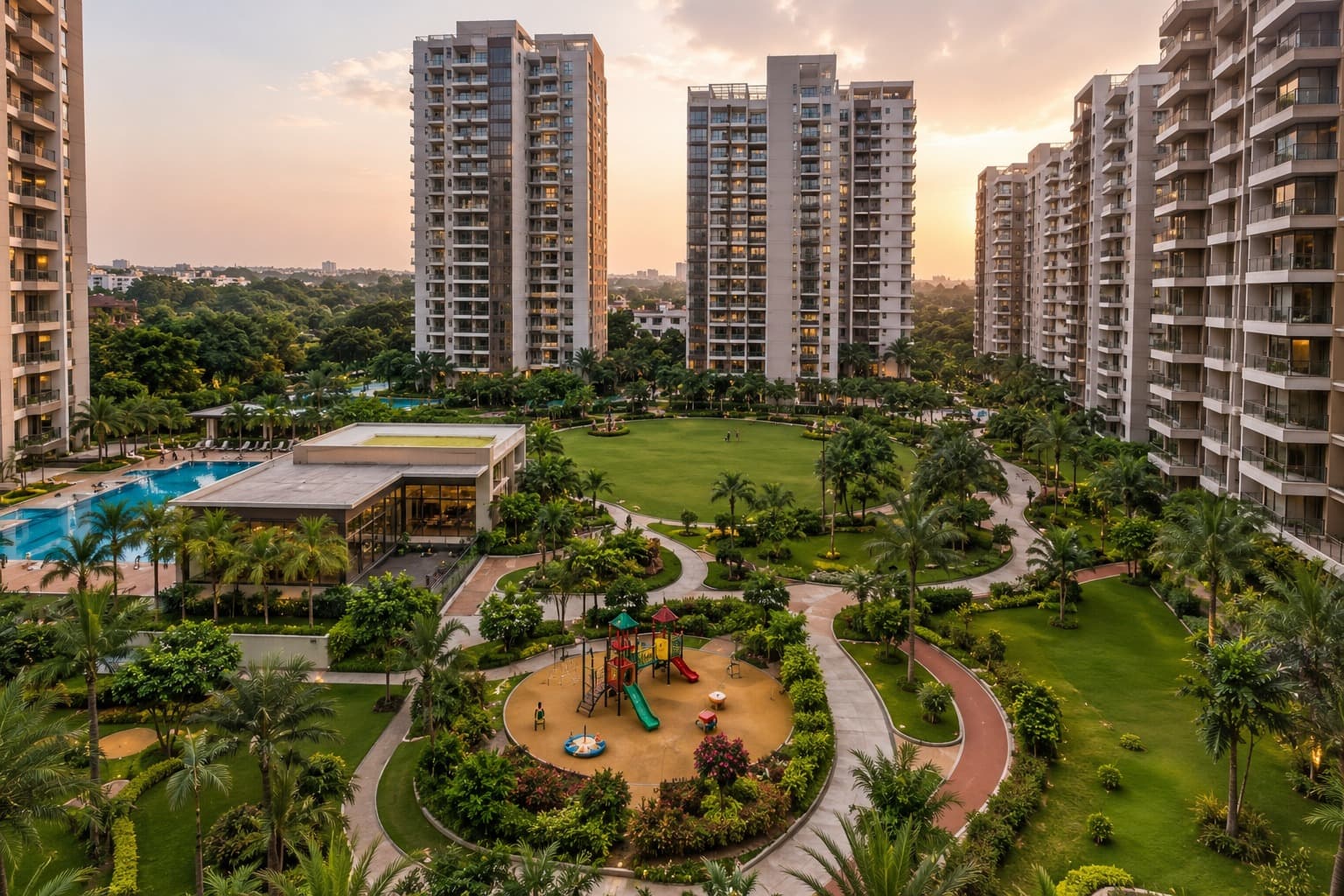
A gated community is a large, enclosed residential development with multiple buildings, a boundary wall, a manned entry gate, and shared facilities. Think swimming pools, a clubhouse, a gym, landscaped gardens, children's play zones, and sometimes even a supermarket or pharmacy inside the premises. A residents' welfare association manages the whole thing.
A standalone building is exactly what it sounds like. An independent structure with a limited number of floors and units, basic amenities like parking and water supply, and no governing committee setting rules for how you live.
Both are legitimate choices. The right one depends entirely on what kind of life you are planning to build.
The Security Factor Is Real
This is where gated communities genuinely win, especially for families. Round-the-clock guards, visitor log systems, CCTV across common areas, and restricted access create a controlled environment that is hard to replicate in a standalone building. Children can ride bicycles inside the campus without parents worrying about traffic. Deliveries can be tracked at the gate.
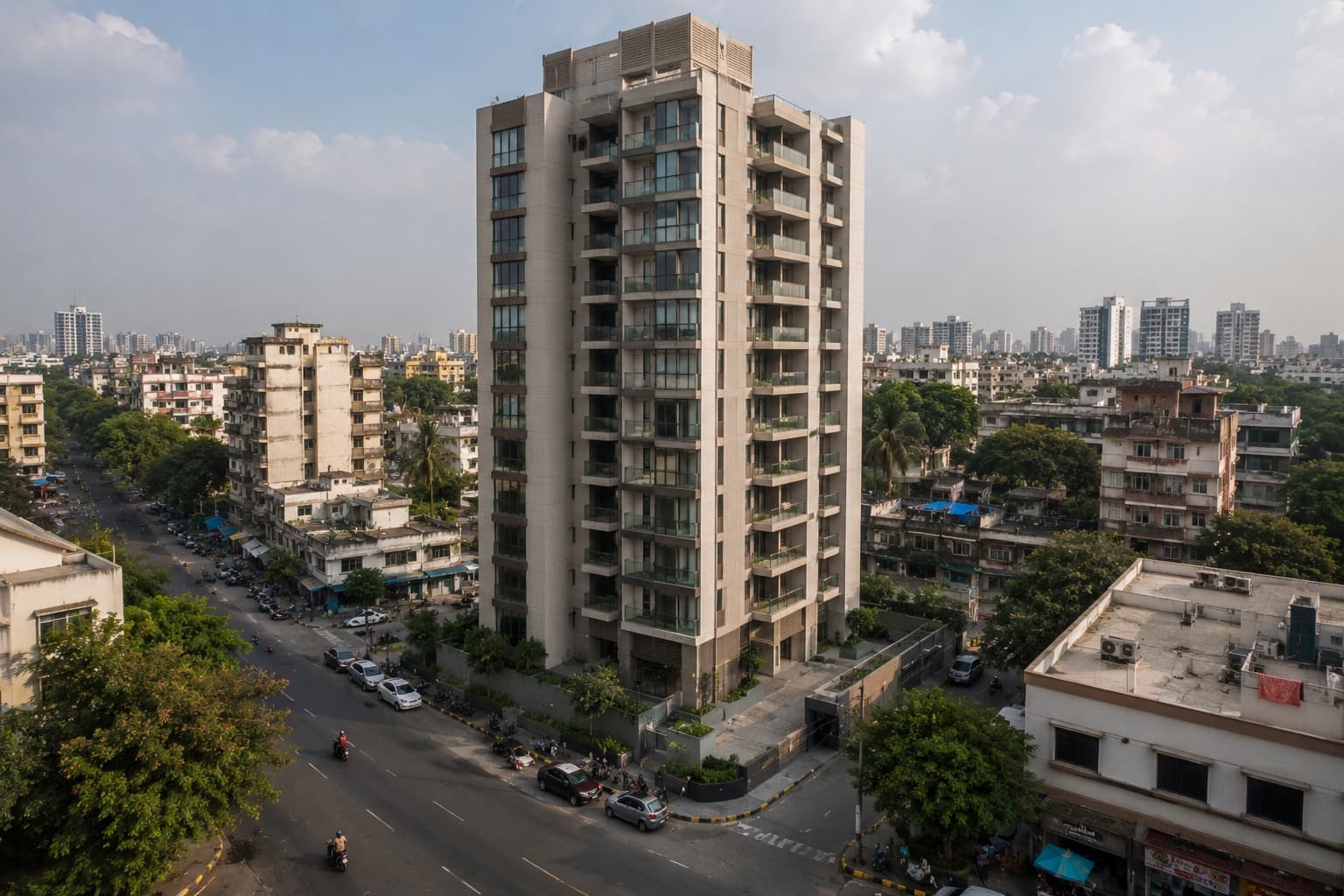
Standalone buildings typically have a watchman during certain hours. That is about it. If security is a non-negotiable for your family, this gap matters a great deal.
The Amenities Conversation
A gated community bundles in amenities that would otherwise require separate memberships, travel, and time. A gym inside the compound means no monthly gym subscription. A pool means no membership club fees. A children's play area means no driving to the nearest park every evening.
For a young professional or a family with children, that ecosystem has real daily value. But there is a catch. You pay for all of it, even the things you never use. Monthly maintenance charges in well-developed gated townships typically range from ₹3,000 to ₹12,000 or more depending on the project size and city. Some premium developments go higher.
A standalone building charges maintenance amounts that are often a fraction of that, sometimes just ₹500 to ₹2,000 per month. If you are watching every rupee in the early years of ownership, that difference compounds quickly.
Rules, Freedom, and the RWA Question
Living in a gated community means living within a system. Pet policies, renovation windows, parking rules, visitor timings, noise curfews. Most of it is sensible. Some of it will occasionally frustrate you. The RWA has authority, and it uses it.
Standalone buildings give you considerably more autonomy. Want to renovate your kitchen on a Sunday? You can, without filing an application. Want a large dog? No community bylaw to navigate. For buyers who value that freedom, the standalone option has a genuine appeal that no brochure will tell you about.
Investment Value Over Time
Here is where the data speaks clearly. Gated communities with well-maintained amenities consistently deliver stronger resale liquidity and higher rental yields compared to comparable standalone apartments in the same neighbourhood. Families specifically seek them out, and that steady demand supports prices through market cycles.
That said, a standalone apartment in a genuinely prime location, say a central Bandra street or a Nungambakkam lane in Chennai, can outperform a peripheral gated township purely on location appreciation. Premium addresses carry their own pricing power regardless of what the building looks like.
What First-Time Buyers Often Miss
The honest answer most real estate consultants give privately is this: if your budget can comfortably absorb the maintenance charges without straining your monthly cash flow, a gated community is the safer first purchase. The security, lifestyle infrastructure, and resale story are all working in your favour from day one.
But if the maintenance charge pushes your total monthly housing cost beyond comfort, a well-located standalone building in a good neighbourhood is a smarter choice than an overstretched purchase in a premium community you cannot fully afford to live in.
Summary
The gated community vs standalone building question has no universal right answer for first-time buyers in India. Gated communities offer better security, structured amenities, and stronger resale positioning. Standalone buildings offer lower maintenance costs, more personal freedom, and often better location value in central neighbourhoods. Match the choice to your actual lifestyle needs, your monthly budget headroom, and how long you plan to hold the property before you decide.