
What Drives Office Rental Rates: The Real Forces Behind the Numbers
Summary
Indian office rental rates are soaring due to acute supply constraints, historically low vacancy, and robust demand from Global Capability Centres. Prime locations and high-quality, sustainable buildings command premium prices, with Hyderabad leading growth. Landlords currently hold significant pricing power.

Introduction
Ask any commercial broker why office rents in a certain business district jumped fifteen percent in a year and you will usually get a vague answer about demand being strong. That is true, but it barely scratches the surface. Office rental rates in India move on a fairly predictable set of levers, and once you understand them, the headlines start making a lot more sense.
Supply Constraints Are the Biggest Lever Right Now
The single biggest story in Indian office space right now is how little new Grade A stock is entering the market compared to how much is being leased. In the first quarter of this year, new completions across the top cities fell sharply, down over forty percent from the previous quarter, while leasing volumes kept climbing. When tenants keep signing but builders keep delaying, landlords simply do not need to negotiate on price anymore.
Vacancy Levels Tell the Real Story
Vacancy across India's top office markets has been compressing for eleven straight quarters and now sits below fourteen percent, a level not seen since before the pandemic. Bengaluru is already operating under eight percent vacancy citywide, with certain micro markets down to almost nothing available. Mumbai has crossed into single digit vacancy too, and its prime business districts are practically full. Tight vacancy is landlords' best friend when it comes to pricing power.
Global Capability Centres Are Quietly Reshaping Demand
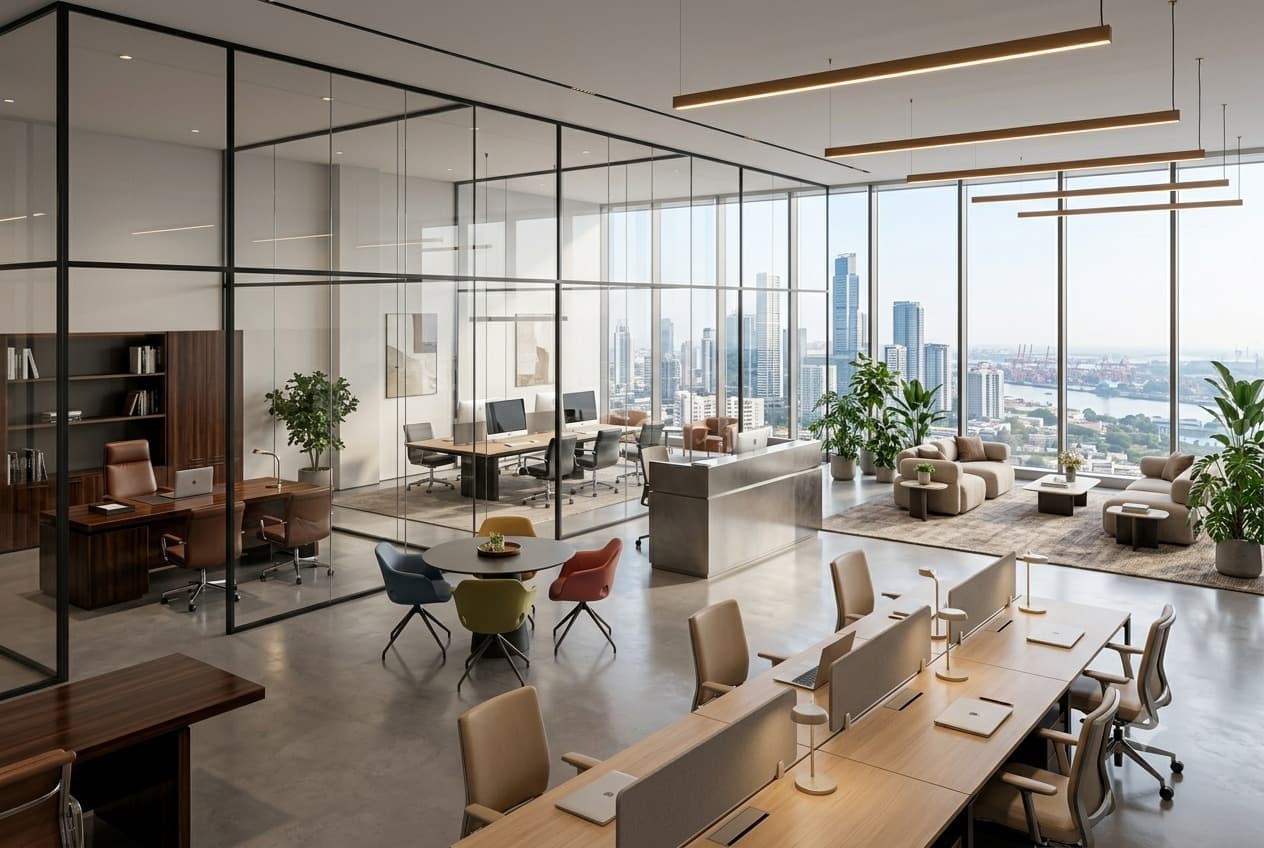
A huge share of fresh office leasing today, close to two fifths of it, is coming from Global Capability Centres, the in house offshore units that multinational companies are setting up across Bengaluru, Hyderabad, and Pune. These occupiers typically sign long leases, want large contiguous floor plates, and are far less price sensitive than a startup counting every rupee. Their appetite alone is enough to push rents upward in the corridors they favour.
Location and Micro Market Quality Still Rule
Not every part of a city commands the same rent. The gap between prime and peripheral micro markets has widened noticeably. Corridors like Bandra Kurla Complex in Mumbai, Outer Ring Road in Bengaluru, and HITEC City in Hyderabad see the lowest vacancy and steepest rental growth, because tenants increasingly want addresses that support brand image, talent retention, and easy commutes for a hybrid workforce.
Building Quality and Sustainability Now Move the Needle
There was a time when four walls and an elevator were enough. That era is over. Occupiers today actively pay a premium for buildings with better floor efficiency, modern HVAC systems, and green certifications, partly because these features cut long term operating costs and partly because ESG commitments have become boardroom conversations. Older, uncertified stock is simply not competing on the same footing anymore.
City by City, the Growth Rate Varies Sharply
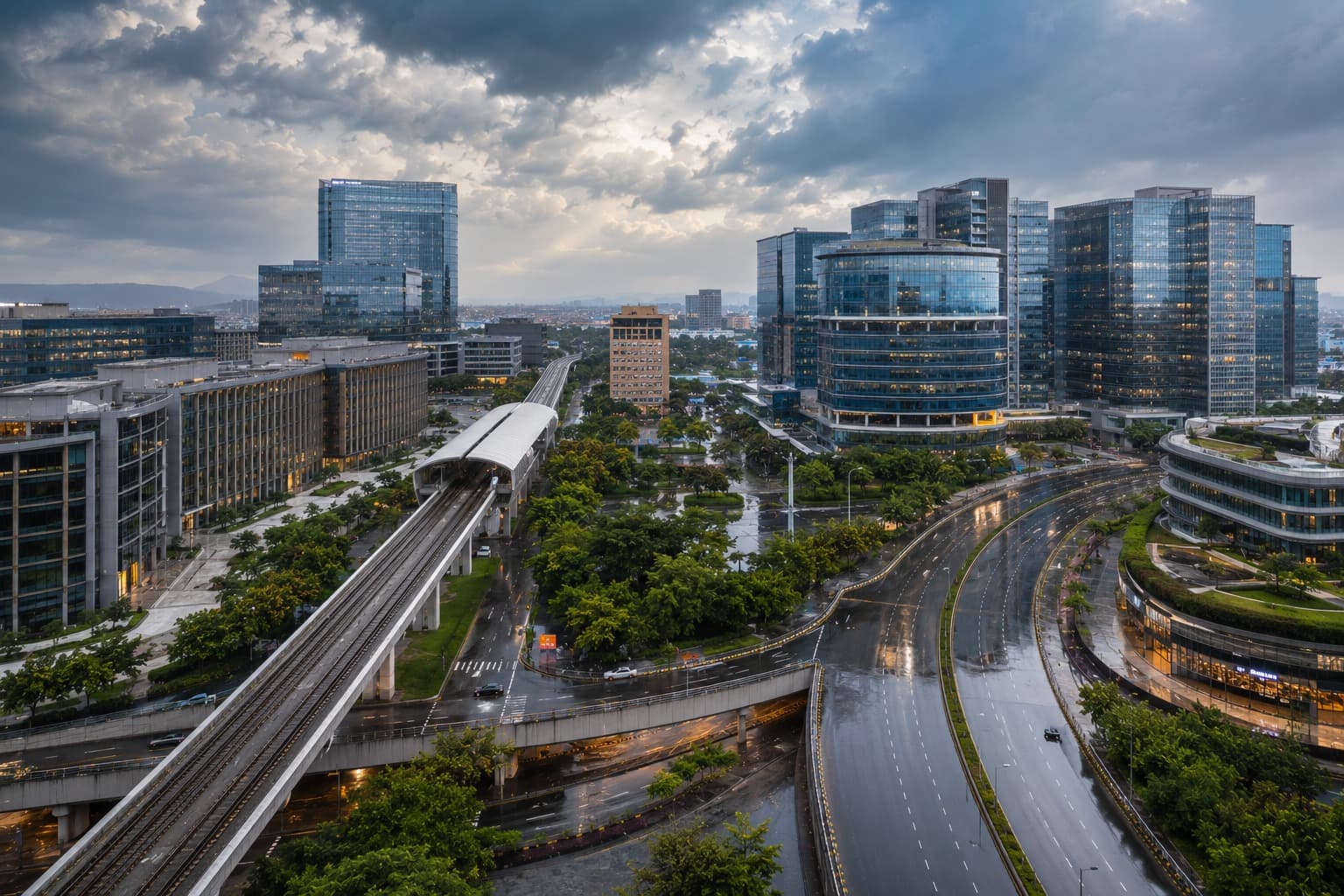
Rental growth has not been uniform across the country. Hyderabad has led the pack this year with appreciation touching double digits annually, followed closely by Delhi NCR, while Chennai and Mumbai have posted steadier, more moderate gains. The pan India average rent across top markets crossed the hundred rupee per square foot per month mark for the first time recently, a symbolic milestone that reflects just how far this cycle has run.
What This Means Going Forward
Developers are aware of the imbalance and a meaningful volume of new supply is expected to arrive over the next couple of years, much of it premium Grade A office space. Whether that cools rental growth or simply gets absorbed by continuing GCC and BFSI expansion is the real question worth watching. For now, the fundamentals still favour landlords, and tenants negotiating fresh leases should expect that reality to shape their conversations.
Summary
Office rental rates in India are being pushed higher by a combination of tight vacancy, constrained new supply, and relentless demand from Global Capability Centres and BFSI occupiers. Prime micro markets in Bengaluru, Mumbai, and Hyderabad continue to command the sharpest rental growth as tenants prioritise quality, sustainability, and location. Understanding these commercial rent trends helps both occupiers and investors read the office space India market with far more clarity before committing to a lease.