
Township Living vs Traditional Neighborhood Living: What Actually Suits Indian Homebuyers in 2026
Summary
This blog compares township living and traditional neighborhoods for Indian homebuyers in 2026. It highlights their pros and cons, from security and maintenance to cost and community, concluding that lifestyle fit dictates the best choice.

Introduction
Ask ten homebuyers in any Indian city what they actually want and you will get ten different answers. Some want a quiet lane where the neighbours have known each other for decades. Others want a gated world of clubhouses, jogging tracks and zero interaction with municipal potholes. This tension between township living and old fashioned residential neighborhood life has quietly become one of the biggest decision points for buyers in 2026, and it deserves a proper, honest look.
What a Township Actually Promises
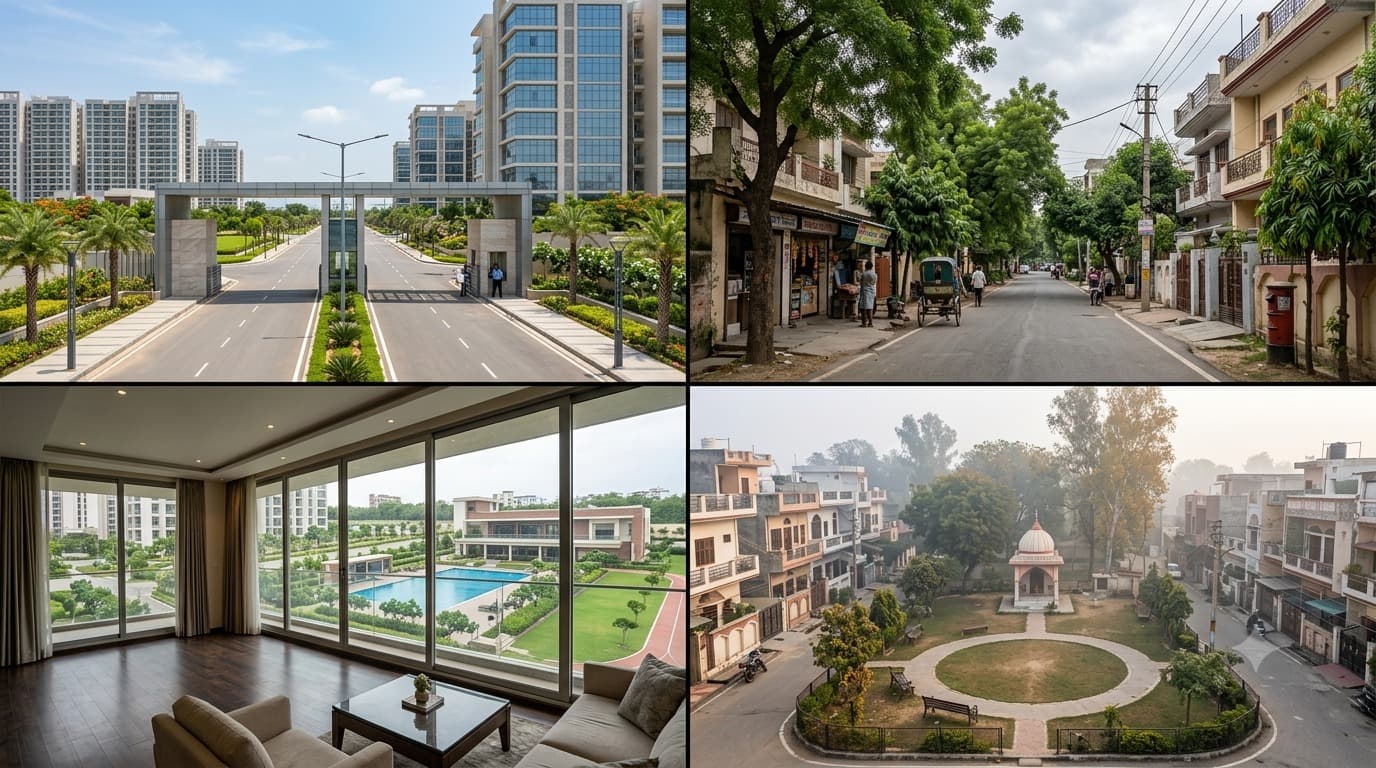
An integrated township is essentially a mini city built by one developer. Roads, schools, parks, retail, sometimes even a hospital, all sitting inside one boundary wall. The pitch is simple. You stop depending on the local municipal corporation for basic upkeep because the developer maintains everything through a common association. For a working parent juggling office calls and school pickups, that convenience is not a small thing.
The Charm of the Old Neighborhood
Traditional neighborhoods were never designed by a single master plan, and that is exactly their strength. Streets grew organically around markets, temples, and schools that existed long before any builder arrived. There is a texture to these areas that a freshly built gated community simply cannot replicate overnight. The corner shopkeeper who keeps your monthly groceries on credit, the neighbourhood association that has existed since the 1980s, these things carry a social value that spreadsheets rarely capture.

Where Townships Win on Practical Ground
Security is the first obvious advantage. A single point of entry, CCTV coverage, and a dedicated management team change the daily experience for families with young children or elderly parents. Maintenance quality tends to stay consistent too, since a professional facility team, not a handful of volunteer residents, is responsible for the upkeep of roads, lifts, and green spaces.
Where Traditional Neighborhoods Still Hold Ground
Cost is the honest answer here. Standalone flats in an established neighborhood usually come at a lower entry price than a unit inside a branded township, simply because you are not paying for a clubhouse or a private security force. Location flexibility also favours old neighborhoods, many of which sit closer to city centres, established schools, and hospitals that took decades to build their reputation.
The Investment Angle Nobody Talks About Enough
Here is something worth sitting with for a second. A standalone building can plateau in value once it crosses a certain age, particularly if the surrounding infrastructure gets congested. A well run township living project, on the other hand, tends to hold its shine longer because one entity keeps upgrading common areas year after year. That said, townships on the outskirts sometimes struggle if promised metro lines or highways take longer than expected to materialise.
Lifestyle Fit Matters More Than Trend
Not every family needs a swimming pool and a mini theatre. Some genuinely prefer the freedom of stepping out to a bustling local market without swiping an access card first. Townships suit people who value predictability and are comfortable trading a bit of individuality for convenience. Traditional neighborhoods suit those who want character, flexibility, and a lower ongoing cost of living.
Which One Should You Actually Pick
There is no universal winner, and honestly, anyone who claims otherwise is selling you something. If your priority is security, uniform maintenance, and a ready made social circle, a gated township India project makes sense. If you would rather have location flexibility, lower price points, and an established sense of community history, a traditional residential neighborhood remains hard to beat.
Summary
The choice between township living and a traditional residential neighborhood really comes down to lifestyle priorities rather than one being objectively superior. Township vs standalone apartment decisions should weigh security, maintenance consistency, and community amenities against cost, location flexibility, and neighbourhood character. For Indian homebuyers evaluating integrated township benefits in 2026, the smartest approach is matching the property type to daily routine and long term comfort, not chasing whatever looks trendiest on a brochure.