Introduction
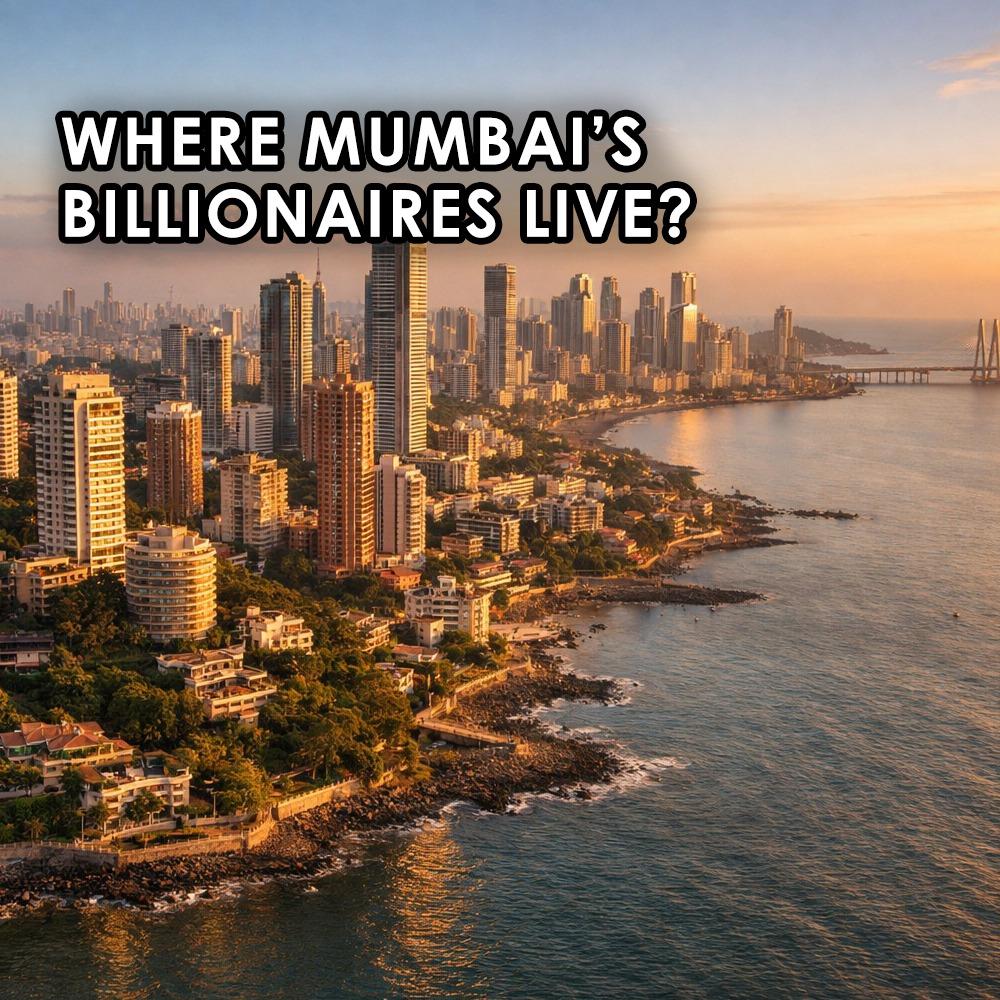
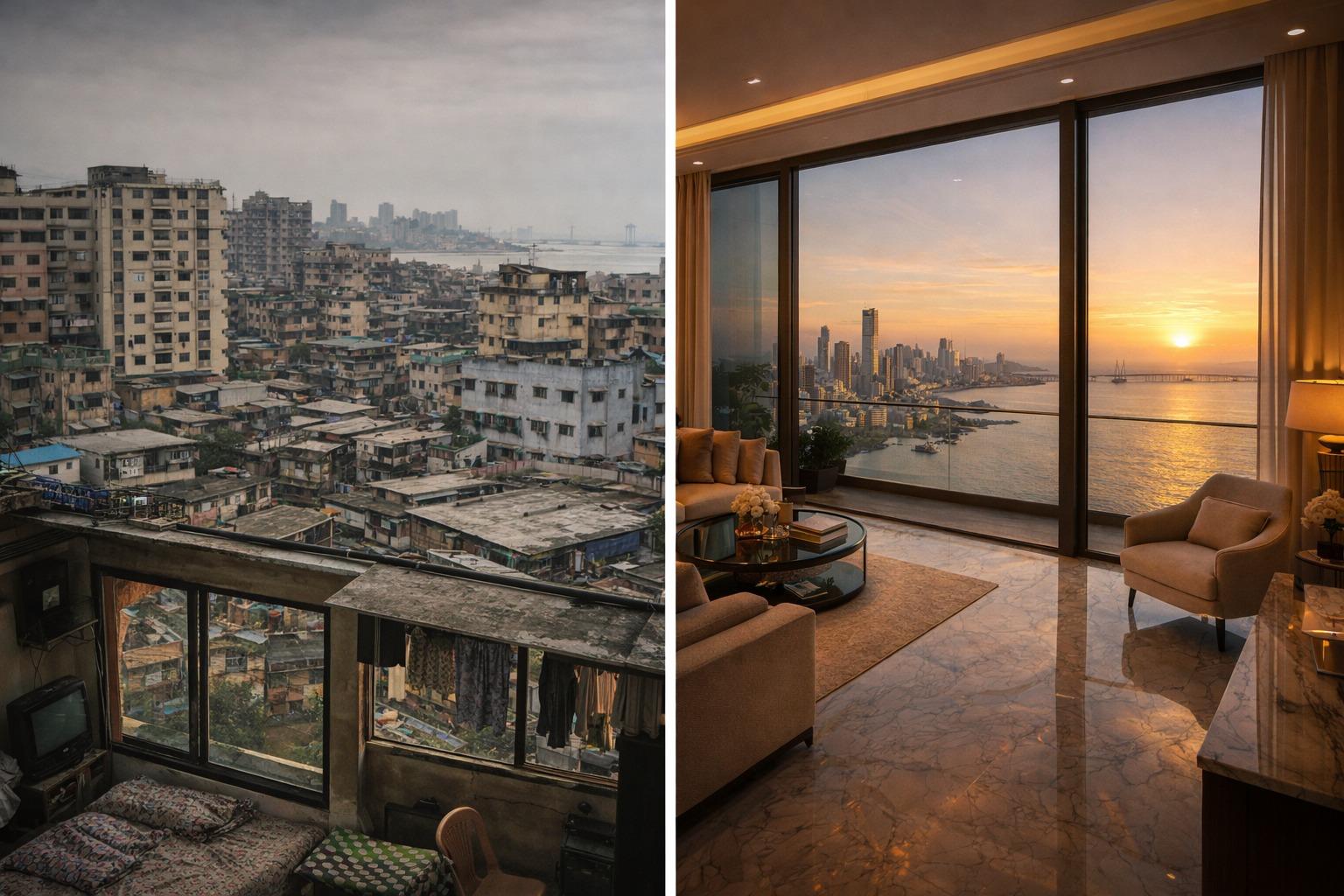
Mumbai does not just have expensive real estate. It has some of the most expensive real estate anywhere in Asia. The city's southernmost neighbourhoods have been commanding jaw-dropping prices per square foot for decades, driven by a combination that is almost impossible to replicate: acute land scarcity, a coastline that faces the Arabian Sea, a concentration of old money and new wealth, and a social cachet that carries genuine long-term value. If you have ever wondered where exactly the upper ceiling of Mumbai luxury property sits, these five localities are your answer.
1. Altamount Road: India's Most Expensive Address
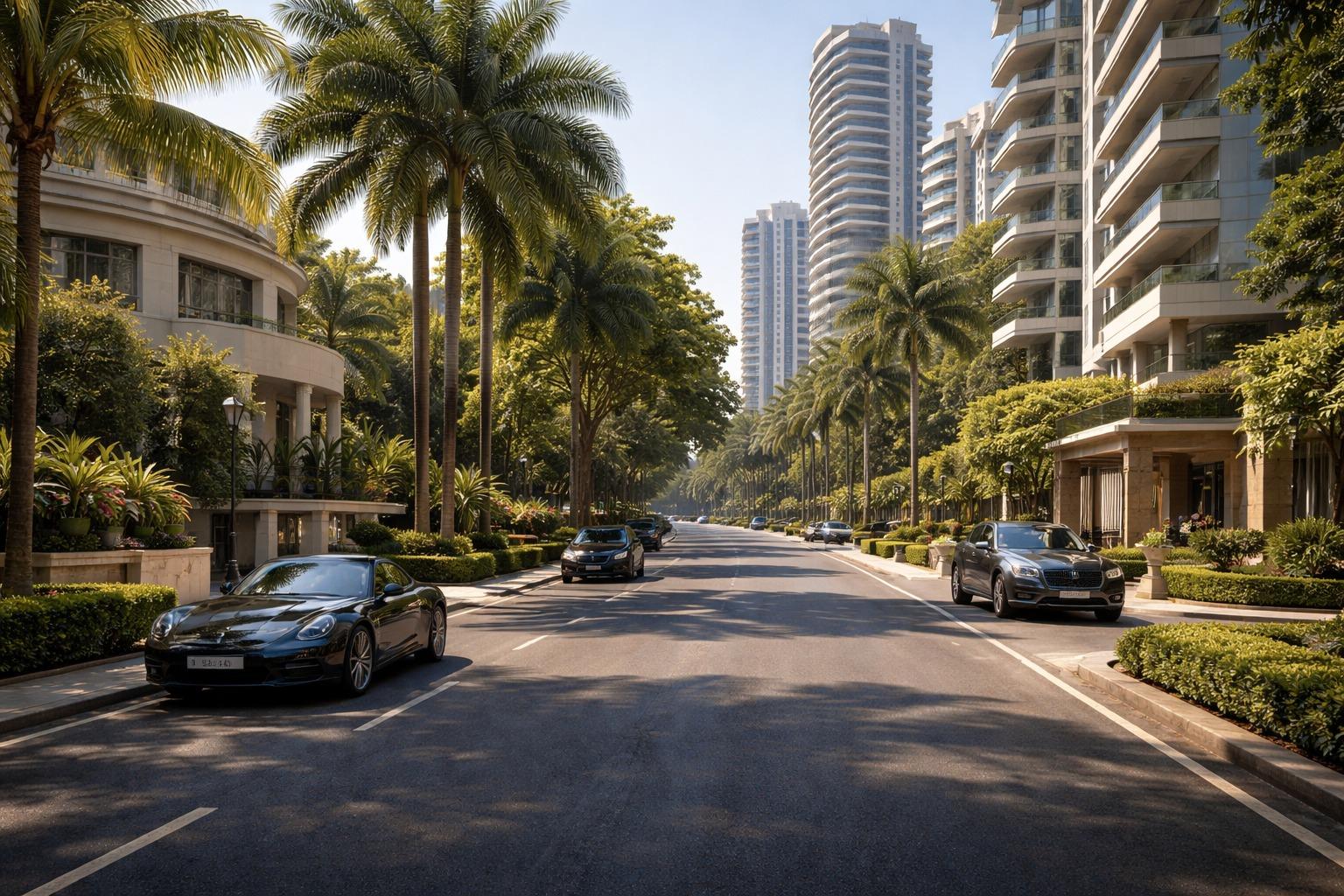
There is no honest conversation about expensive localities in Mumbai that does not start here. Altamount Road in Tardeo is the street where Mukesh Ambani's Antilia stands, the private residence widely regarded as the most expensive home in the world by reconstruction value. That single building set the tone for what this stretch means to Indian real estate.
Altamount Road property price currently averages between Rs 88,750 and Rs 1,21,450 per square foot, depending on the specific building, floor, and whether it has sea-facing views. Some ultra-premium transactions on this road have touched Rs 1.80 lakh per square foot at the top end of the market. Supply is almost non-existent. Whatever comes onto the market gets absorbed by ultra-high-net-worth buyers, both domestic and NRI, who view a property here as an inter-generational asset rather than a typical real estate investment.
The Hinduja brothers, the Pallonji Mistry family, and several foreign consulates all maintain addresses here, reinforcing the road's position as the epicentre of Indian wealth and influence.
2. Malabar Hill: Heritage, Sea Views, and Restricted Supply
Malabar Hill sits at the southernmost tip of the island city, with the Arabian Sea to one side and Girgaon Chowpatty beach visible below. It is arguably Mumbai's most recognisable luxury address after Altamount Road.
Malabar Hill real estate prices average around Rs 90,000 per square foot, with sea-facing apartments in marquee buildings pushing considerably higher. Penthouses and landmark properties on this ridge have been transacted at values crossing Rs 200 to Rs 300 crore per unit in recent years. The locality houses the Maharashtra Governor's official residence, the Raj Bhavan, which underscores its historical and governmental significance.
New supply is extremely limited because most of the ridge is already built up, and redevelopment of older buildings is the only path to fresh inventory. This supply constraint, combined with consistent demand from the country's wealthiest families and senior executives, keeps Malabar Hill firmly among the most expensive areas in Mumbai.
3. Napean Sea Road: Quiet Exclusivity at a Premium
Sitting between Malabar Hill and Altamount Road, Napean Sea Road offers a quieter, lower-density alternative to its more famous neighbours without sacrificing any of the prestige. Property values here average approximately Rs 90,000 per square foot, driven by wide sea views, low-rise residential layouts, and the general exclusivity of the neighbourhood.
Proximity to the Hanging Gardens and the Malabar Hill walkway adds a lifestyle dimension that appeals to buyers who want green spaces alongside luxury. Several legacy families and senior diplomats have maintained generational homes here, keeping the resident profile consistently at the highest end of Mumbai's social spectrum.
4. Cuffe Parade: South Mumbai's Seafront Business District
Cuffe Parade occupies the southernmost point of the Mumbai peninsula, looking out toward the sea and back toward Nariman Point, India's original financial district. It blends residential luxury with the convenience of proximity to major commercial addresses, which makes it particularly attractive to senior corporate professionals and foreign expatriates.
Cuffe Parade property prices average around Rs 59,300 to Rs 80,000 per square foot. The area houses several prominent commercial complexes, foreign consulates, and high-rise residential towers that were considered Mumbai's most modern when built and have retained their status through consistent renovation cycles. Upcoming metro connectivity is expected to further enhance access and support price appreciation in the coming years.
5. Worli: Modern Luxury with Sea Link Access
Worli represents a different proposition from the older South Mumbai neighbourhoods. It is where contemporary ultra-luxury towers have come up over the past decade, offering infinity pools, private elevators, and floor-to-ceiling glass facades with direct views of the Bandra-Worli Sea Link. Lodha World Towers and several other marquee projects have set national and global benchmarks for residential pricing here.
Worli property price per square foot averages between Rs 50,000 and Rs 75,000 at present, with specific high-rise units in trophy buildings commanding significantly more. Ultra-luxury home sales in Worli alone totalled over Rs 5,500 crore in a recent two-year period, according to ANAROCK data. Its connectivity to both South Mumbai and Bandra Kurla Complex makes it the preferred choice for buyers who want modern design alongside location convenience.
Summary
The top 5 most expensive residential localities in Mumbai reflect an address hierarchy built on land scarcity, sea views, and decades of wealth concentration. Altamount Road leads as India's costliest residential street, followed by Malabar Hill and Napean Sea Road for heritage-linked exclusivity, Cuffe Parade for seafront proximity to business districts, and Worli for contemporary luxury with strong connectivity. For anyone exploring luxury real estate investment in South Mumbai in 2026, these five localities represent the clearest benchmark for where premium capital flows and long-term appreciation holds firm.