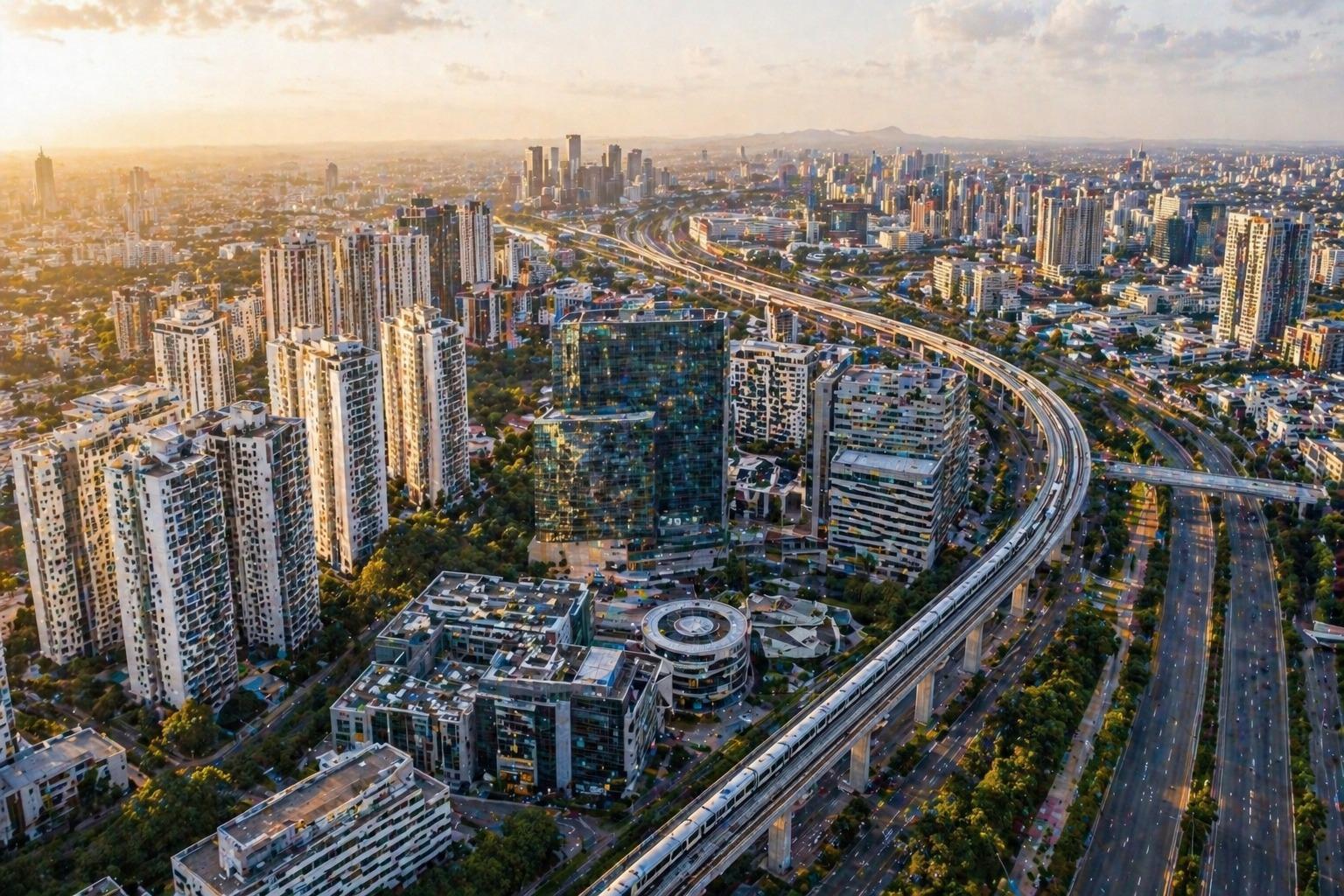
The Pull Is Stronger Than Ever
Something has shifted decisively in how Non-Resident Indians are thinking about property back home. A few years ago, many NRIs bought in India out of emotional obligation or family pressure. Today, the conversation is sharper. It is about rupee depreciation creating buying power, about cities transforming faster than anyone predicted, and about an asset class that has delivered consistent returns while equity markets remain unpredictable.
With the Indian rupee trading above the 90 mark against the US dollar in 2026, an NRI earning in dollars, pounds, or dirhams effectively gets significantly more property for every unit of foreign currency converted. That gap between their earning currency and the rupee is not a problem. For the smart investor, it is the opportunity.
Why 2026 Stands Out
The Indian real estate sector is on track to reach a trillion-dollar valuation by 2030, according to ANAROCK research. That trajectory is not accidental. RERA has fundamentally changed how projects are built and delivered. Digital land records have reduced title fraud. GST reforms have brought more transparency to transaction costs. And a wave of infrastructure spending, from expressways to metro networks to airports, has expanded the geography of viable investment well beyond the traditional premium pockets.
For NRI investors, this combination of regulatory maturity, infrastructure momentum, and currency advantage is unusually compelling. It does not come together this cleanly very often.
The Hotspot Cities and Why They Qualify
Bengaluru remains the undisputed leader for NRI real estate investment driven by its technology sector depth, Global Capability Centre boom, and consistent rental yields in localities like Whitefield, Sarjapur Road, and Hebbal. The city has a self-sustaining employment engine that keeps housing demand steady regardless of broader market cycles.
Gurugram within the Delhi NCR belt has seen some of the most dramatic price appreciation in India over the past two years. The Dwarka Expressway corridor, Golf Course Extension Road, and Southern Peripheral Road are producing luxury residential projects that are finding strong demand from both end users and investors. Rental yields here suit NRIs looking for income alongside appreciation.
Mumbai commands attention for a different reason. Its scarcity of developable land means that well-located assets simply do not lose value over time. For NRIs with higher budgets, locations like Bandra, Worli, and the western suburbs remain long-term blue-chip bets.
Hyderabad and Pune round out the top five, both offering a calmer entry price compared to Mumbai while delivering above-average rental returns from resident IT workforces.
The Legal Framework Every NRI Must Understand
The Foreign Exchange Management Act governs all NRI property purchases in India. The rules are clear. NRIs can buy both residential and commercial properties freely. What they cannot buy is agricultural land, plantation property, or farmhouses, even as a gift or through inheritance without specific RBI approval.
All payments must come from NRE or NRO accounts held in India, or through inward remittances. Payments in foreign currency directly are not permitted. The entire transaction can be handled through a Power of Attorney if the buyer cannot travel to India, which makes remote purchases entirely practical.
Taxation: What the Numbers Actually Look Like
Rental income earned on Indian property is taxable in India. A standard deduction of 30 percent for maintenance and repairs applies before the applicable income tax slab rate kicks in. TDS at 30 percent is deducted by the tenant before paying rent to an NRI landlord, so cash flow planning matters.
On sale, short-term capital gains apply if the property is held for less than two years, taxed at the applicable slab rate. Properties held beyond two years attract long-term capital gains tax at 20 percent with indexation benefits. Sale proceeds from up to two residential properties can be repatriated abroad, capped at one million US dollars per financial year with proper documentation.
Risks Worth Taking Seriously
Title disputes remain a genuine concern, particularly in tier 2 cities and periphery zones where records are less clean. The fix is thorough due diligence through a qualified property lawyer before any money changes hands.
Project delays are the other major risk. The discipline here is simple: only purchase RERA-registered projects from developers with a verifiable delivery track record. Unrealistic timelines from builders without a history of on-time handover should be an immediate red flag.
Currency volatility cuts both ways. The rupee depreciation that gives NRIs their current purchasing advantage could narrow if the rupee strengthens, so factoring in a currency hedge or a longer holding horizon is prudent.
Summary
NRI real estate investment in India 2026 has rarely aligned this well across currency advantage, regulatory transparency, infrastructure growth, and city-level demand. Bengaluru, Gurugram, Mumbai, Hyderabad, and Pune remain the top investment hotspots for NRI property buyers, each offering distinct risk-return profiles. With clear FEMA rules, digital-first transaction processes, and loan availability from major Indian banks, the barriers to entry have never been lower. The market is ready. The question is whether the investor is.