Introduction
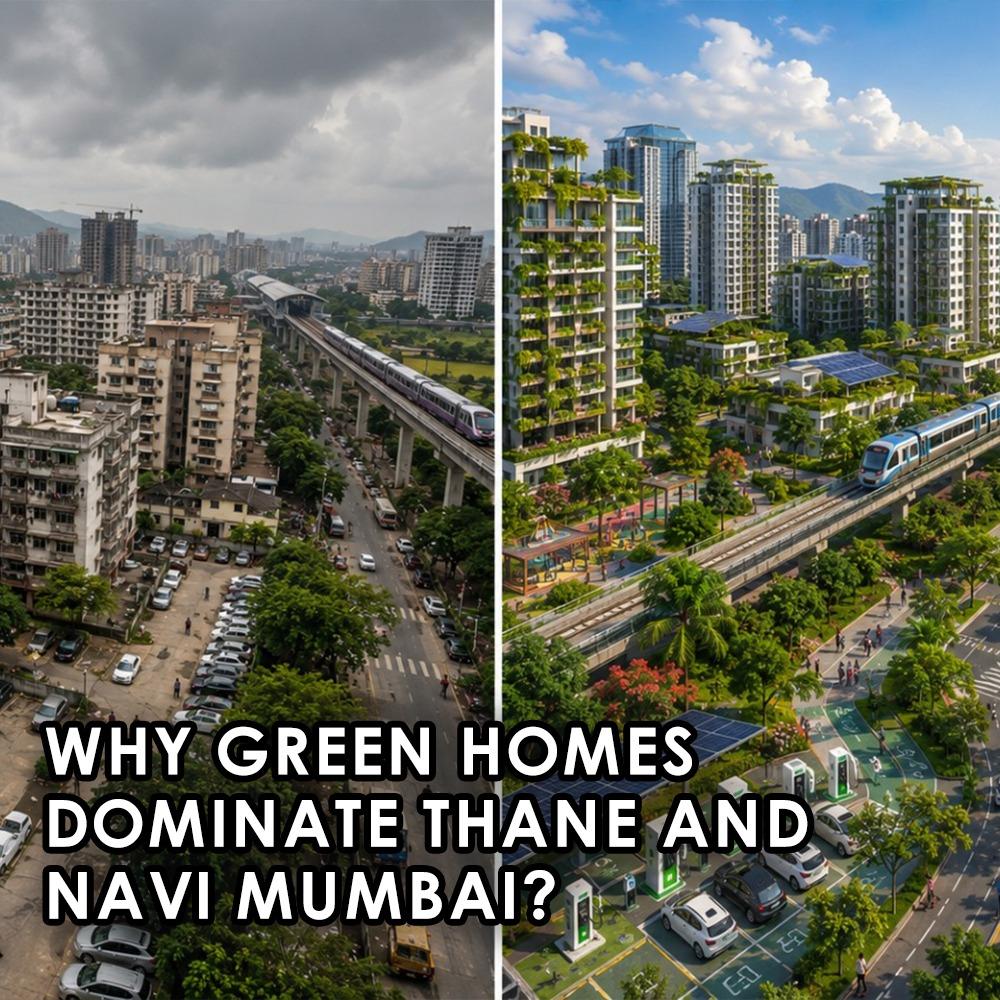
Walk through a new housing project in Vashi or Ghodbunder Road today and you will notice something rare a decade ago. Sales brochures now talk about rainwater harvesting, solar rooftops and IGBC ratings as often as swimming pools and clubhouses. Sustainable housing in Thane and Navi Mumbai has stopped being a marketing add-on. It has become one of the reasons buyers pick one project over another.
From Afterthought to Selling Point
Green features used to be something developers mentioned in passing, tucked somewhere near the end of a project brochure. That order has flipped. Buyers now ask about energy efficient design and water recycling systems before they ask about the size of the balcony, and developers who cannot answer those questions convincingly are starting to lose ground to the ones who can build genuine green homes.
Navi Mumbai's Green Building Momentum
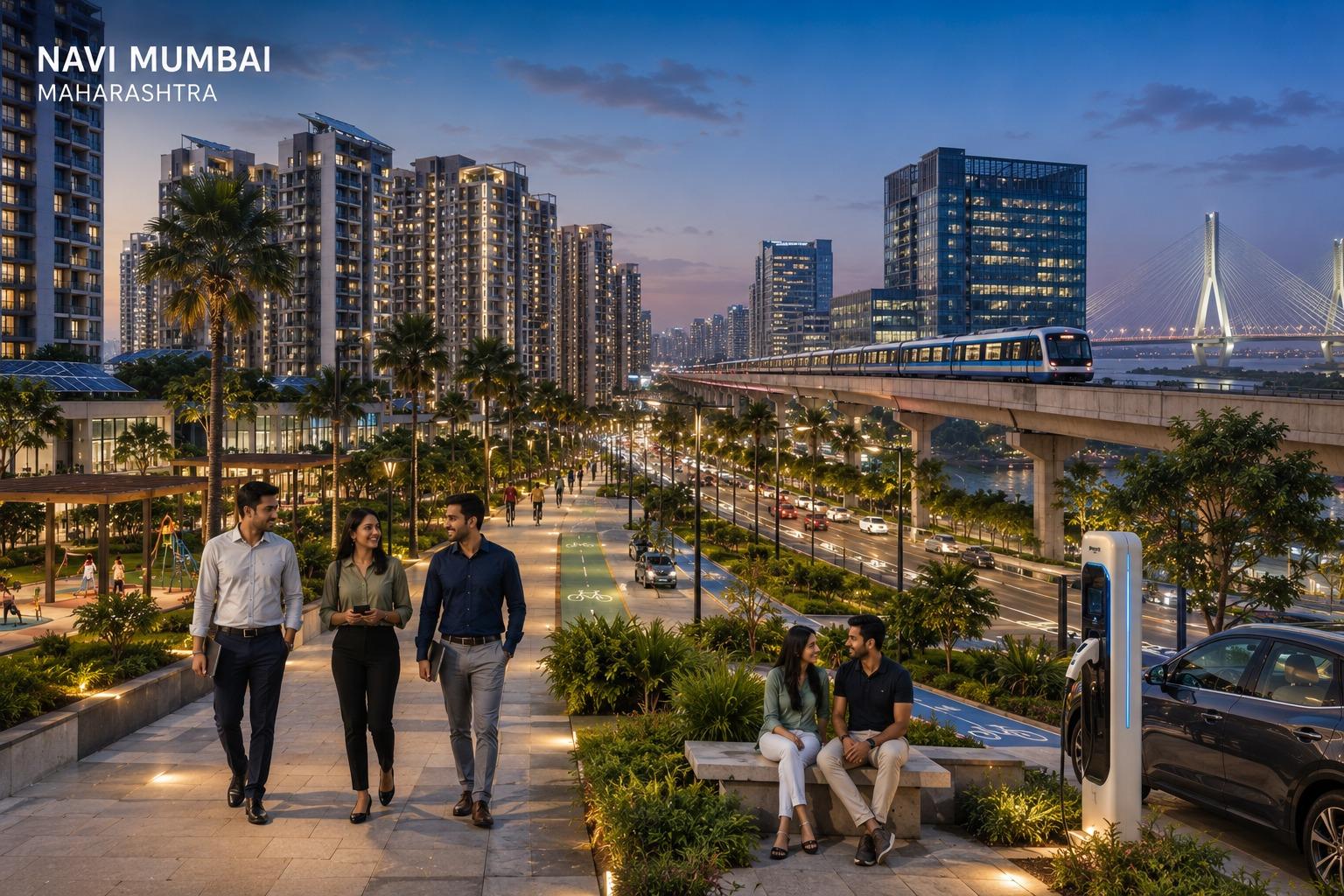
Navi Mumbai real estate has quietly become one of the more serious green building markets in the country. The city already carries over a hundred registered green building projects covering hundreds of millions of square feet, and its growth caught enough attention that the Indian Green Building Council opened a dedicated Navi Mumbai chapter in 2024. That was not a symbolic gesture. It reflected real confidence in how fast the city's residential and commercial real estate is expanding.
Thane's Quieter but Steady Shift
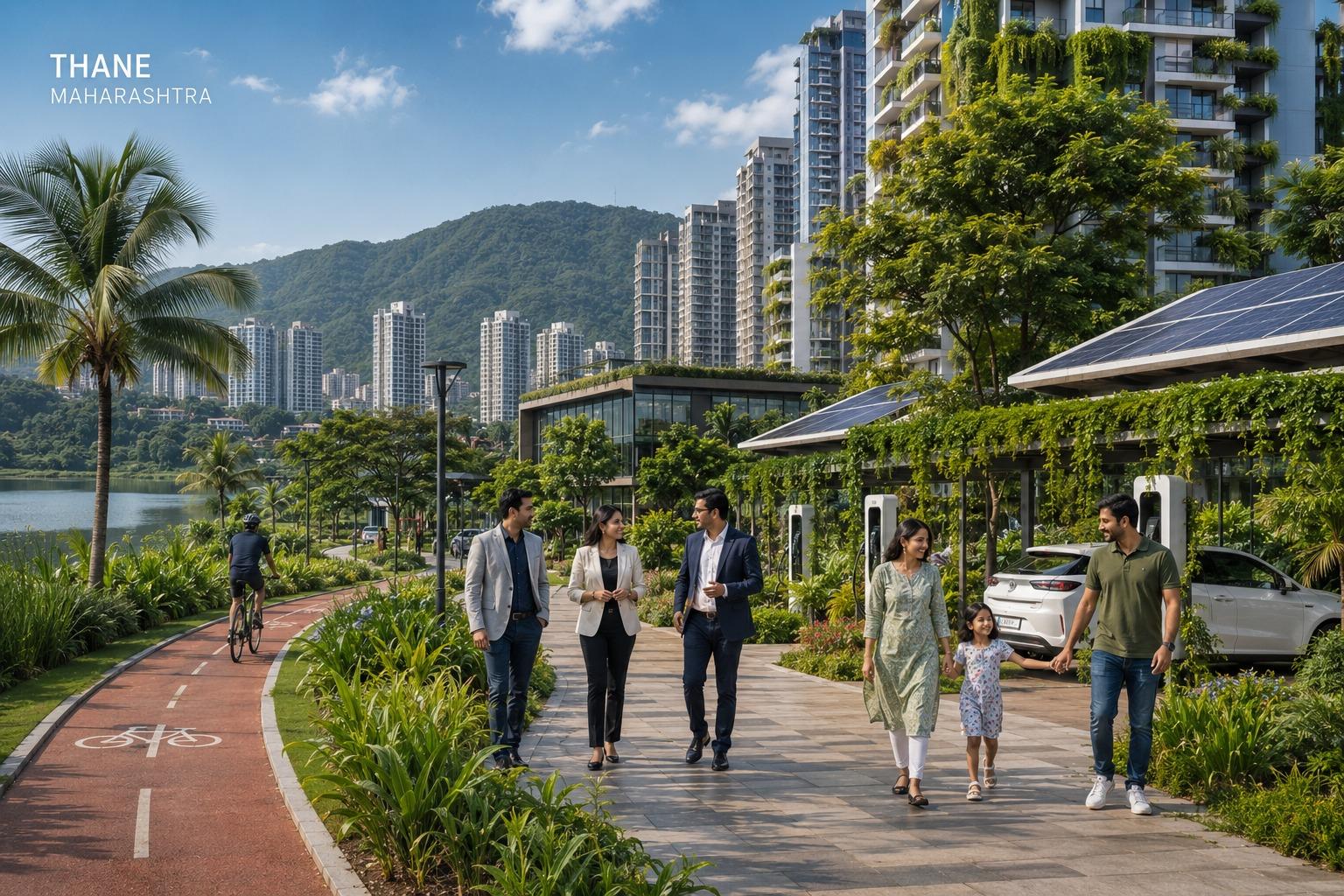
Thane real estate has not made as much noise about its green credentials as Navi Mumbai, but the shift is visible if you know where to look. Newer townships along Ghodbunder Road and in Kolshet are increasingly built around rainwater harvesting pits, sewage treatment plants and solar powered common areas as standard features rather than optional upgrades. Thane's advantage is space, letting developers design for natural ventilation in ways harder to retrofit in a dense city core.
What FAR Incentives Actually Mean for Buyers
Maharashtra's planning rules now reward developers with extra floor area for green certification, a small bump for Silver rated projects and a larger one for Gold and Platinum. That sounds like a technical detail only builders care about, but it trickles down to buyers. More usable floor area on the same plot means developers can often absorb the cost of solar panels or efficient plumbing without pushing prices up as sharply as expected. This is the quiet engine behind rising green building certification India adoption.
The Airport Effect on Green Development
The upcoming international airport near Navi Mumbai is reshaping expectations for everything built around it, including how sustainably it gets built. Newer townships in the airport influence zone are being planned with an eye on long-term liveability rather than quick sales, partly because developers know a project sitting next to a major transport hub will be scrutinised for decades, not just at launch.
Why Certifications Matter to Homebuyers, Not Just Developers
An IGBC certified home is not just a badge for a brochure. It usually means lower electricity bills, better daylight inside apartments, and water systems that reduce dependence on tanker supply during the dry months. For a buyer comparing two similarly priced flats, that difference in monthly running cost can matter more over a decade than a marginally larger living room.
The Road to Net Zero
The broader ambition driving all of this is a national push toward net zero buildings in India by 2050. That target sounds distant, but it is already shaping how townships in Thane and Navi Mumbai are designed today, since a building approved this year will still be standing well past that deadline. Developers who plan for that horizon now are simply avoiding an expensive retrofit later.
Summary
Sustainable housing trends in Thane and Navi Mumbai have moved from a niche preference to a mainstream expectation. Green building certification, IGBC rated homes and eco friendly homes are shaping how townships along Ghodbunder Road and around the new airport are being planned. For homebuyers, this shift means lower running costs and better daily living, not just an environmental checkbox. As Mumbai's satellite cities keep growing, sustainability looks less like an option and more like the only sensible way to build.