
6 min read
Site Visit: Your Essential Checklist Before Buying a Home


Introduction
Most homebuyers spend weeks comparing prices, EMI calculators, and floor plans online, then walk into the actual property for barely twenty minutes before signing paperwork. A site visit before buying a home is one of those steps everyone technically knows they should do properly, and yet almost nobody does. Brochures and 3D walkthroughs can only tell you so much, the real story usually shows up once you are standing on the actual plot.
Why Online Research Alone Falls Short
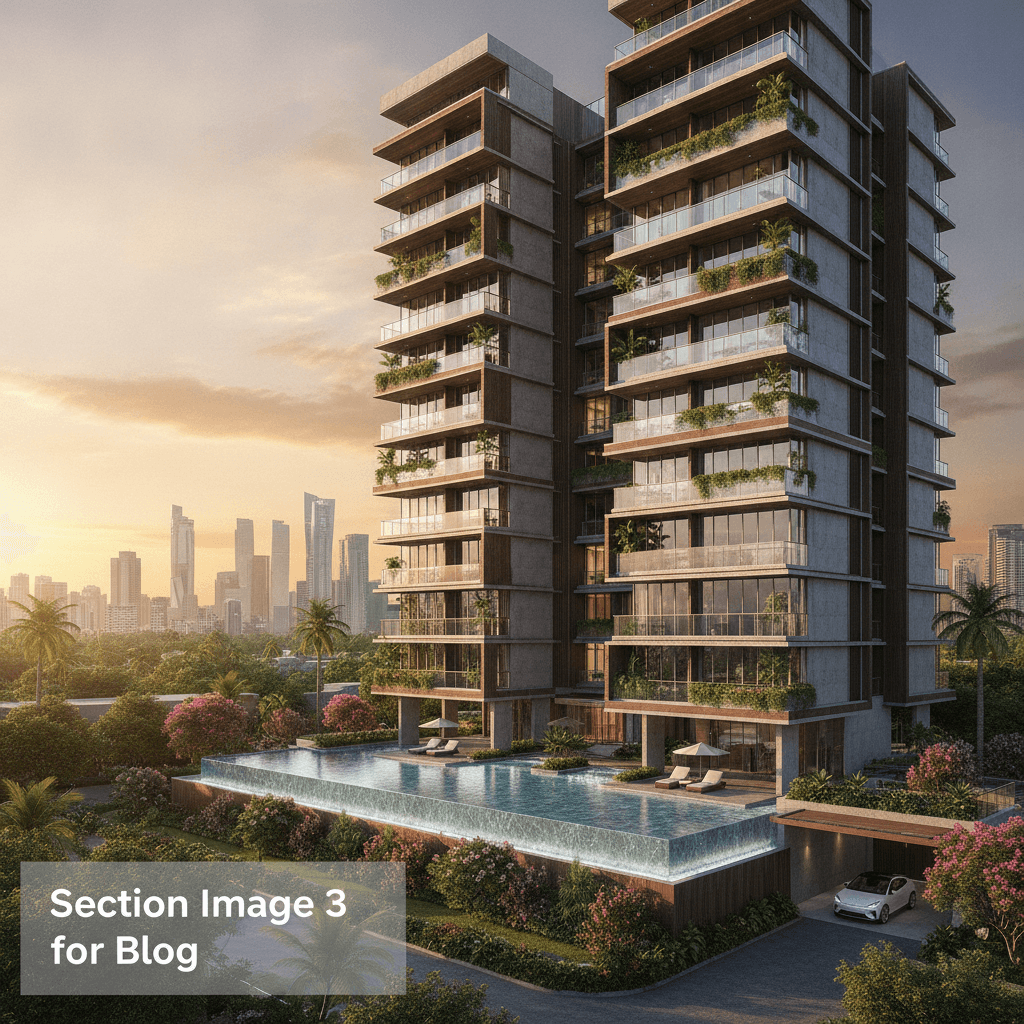
Property portals and builder websites are designed to show a project at its absolute best. Renders show landscaped gardens that may take years to mature, and sample flats are staged with furniture chosen specifically to make rooms look larger than they are. None of that is necessarily dishonest, but it does mean the gap between marketing material and reality can be wider than buyers expect.
What to Actually Check on Ground
A proper site visit before buying a home should go well beyond admiring the sample flat. Walk the actual unit you intend to buy if construction has progressed enough, not just the show flat two floors down. Check ceiling height, natural light at different times of day, and whether promised amenities like a clubhouse or garden actually exist or are still marked as under construction on a master plan.
Timing Your Visit Matters More Than People Realise
Visiting a project only once, and only during a weekday morning when everything is quiet, gives an incomplete picture. Try visiting during evening hours as well, when traffic on approach roads peaks and neighbouring construction noise, if any, becomes more obvious. A weekend visit can also reveal how crowded common amenities get once residents are actually using them.
Talking to People Who Already Live There
If the project has existing residents, even in an earlier phase of the same development, talking to them directly is worth more than any brochure claim. Ask about water pressure, lift maintenance response time, and how promptly the builder addresses complaints after possession. This kind of ground level feedback rarely makes it into a sales pitch, and it tends to be far more honest.
Verifying What You See Against What Is Promised
Cross check what you observe on site against the sanctioned plan available on the state RERA website. RERA project verification should include confirming the number of towers, total units, and amenity list match what was originally registered, since builders occasionally revise plans midway through construction. A site visit paired with this document check catches mismatches that neither step alone would reveal.

Assessing the Surrounding Neighbourhood
The property itself is only part of the equation, the surrounding area matters just as much for daily life. Check actual travel time to your workplace during peak hours rather than relying on Google Maps estimates taken at odd hours. Look at nearby infrastructure too, is there a functioning drainage system, are roads properly paved, and how far is the nearest hospital or school that you would realistically use.
Bringing a Checklist Instead of Relying on Memory
It helps enormously to carry a simple home buying checklist rather than trying to remember everything after the fact. Note down water seepage marks, cracks near windows, quality of fittings, and how the unit is oriented relative to sunlight and prevailing wind direction. Photographs taken during the visit also become useful reference points when comparing multiple properties later, since details blur together quickly once you have seen several flats in one day.
Summary
Skipping a proper site visit before buying a home is one of the costliest shortcuts a buyer can take, no matter how convincing the online listing looks. Combining ground level property inspection tips with formal RERA project verification and honest conversations with existing residents gives a far more accurate picture than any brochure ever could. A little extra effort here can save years of regret later.
September 4, 2026
Share via:


